Get your free personalized podcast brief
We scan new podcasts and send you the top 5 insights daily.
When founding DeepMind, the team deliberately pitched their "laughable" AGI mission. They observed that 80% of scientists would roll their eyes and walk away. This ridicule acted as an efficient filter, immediately identifying the "hardcore believers" who were the only candidates they wanted to hire.

Related Insights
Instead of being a deterrent, having a genuinely hard scientific problem is a powerful recruiting tool. It attracts curious, convention-challenging people who are motivated by solving what others cannot and are willing to work through ambiguity to achieve a breakthrough.

To find true contrarian talent, ask university audiences who feels 'weird' or thinks differently. Typically, less than 10% will raise their hands. These are the individuals to hire, as the other 90% are conditioned to conform and are less likely to generate outlier ideas or returns.

DeepMind's founders knew their ambitious AGI mission wouldn't appeal to mainstream VCs. They specifically targeted Peter Thiel, believing they needed "someone crazy enough to fund an AGI company" who valued ambitious, contrarian ideas over a clear business plan, demonstrating the importance of strategic investor-founder fit.

Unlike prior tech waves where founders aimed to build companies, many top AI founders are singularly focused on achieving AGI. This unified "North Star" creates a unique tension between long-term research and near-term product goals, leading to unconventional founder and company dynamics.

Naming AI research teams with terms like "AGI" is more about signaling a long-term "north star" and creating "vibes" to attract ambitious talent, rather than reflecting a concrete, step-by-step plan to achieve artificial general intelligence.

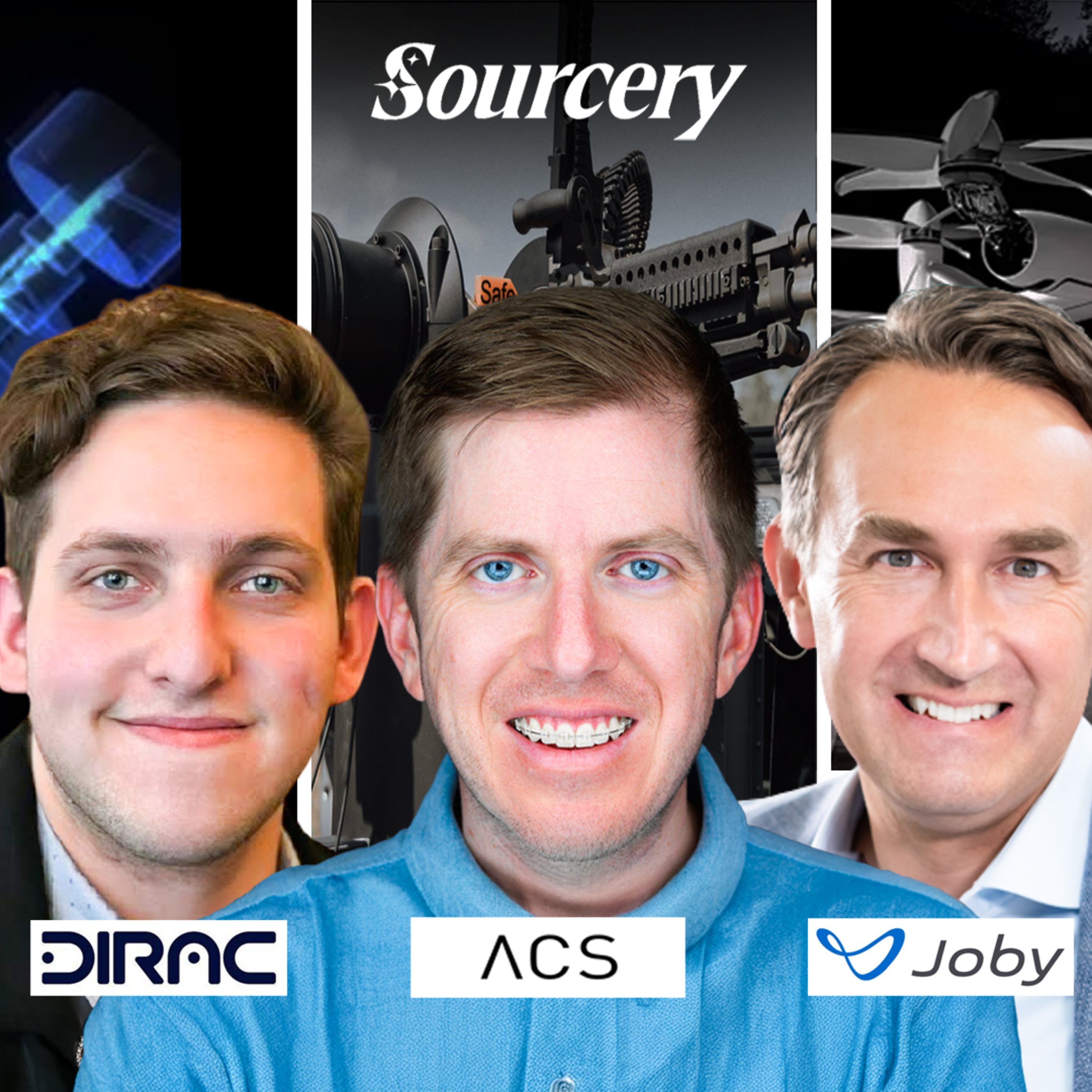
When asked how he recruits talent for a challenging hardware business, the founder of Allen Control Systems stated it's easy because 'We're making the greatest weapon system in American history.' This demonstrates that for deep tech and defense startups, a powerful and ambitious mission can be more effective than conventional recruiting strategies.
Counterintuitively, being brutally honest with candidates about the low odds of success is a powerful recruiting filter. It selects for mission-driven individuals who are mentally prepared for the inevitable tough cycles of a startup, ensuring they won't quit when things get difficult.

Jeremy Allaire is transparent with candidates about the industry's external skepticism and the job's difficulty. This filters for people motivated by the mission's hardness and the cognitive dissonance of building something revolutionary, ensuring a resilient, mission-aligned team.

Labs like DeepMind and OpenAI state that building a machine that can do anything a human brain can is their core mission. However, many experts believe the idea is ridiculous, as the path isn't clear. This frames the pursuit as an article of faith rather than a concrete scientific roadmap.

Peter Thiel invested in DeepMind despite a weak business model because he saw founder Demis Hassabis as a "missionary" obsessed with a problem. Thiel believes these founders, unlike mercenaries chasing money, never quit, giving them a higher chance of success with moonshot ideas.