Get your free personalized podcast brief
We scan new podcasts and send you the top 5 insights daily.
Snap's business struggles aren't just about its young user base, but because its core product—a camera-first creation and messaging tool—is fundamentally hostile to advertising. Unlike a consumption feed, the core creation loop lacks a natural, non-intrusive place for an ad.

Related Insights
Beyond superior data, big tech's dominance is built on two other pillars. First, native ad formats that blend into feeds overcome the 'ad blindness' that plagues display ads. Second, easy self-service tools create a massive long-tail of small business advertisers that programmatic platforms cannot effectively capture.

A large percentage of Snapchat users are not active on other major platforms like Pinterest, TikTok, or even Instagram. This makes it a crucial channel for reaching unique customer segments that marketers might otherwise miss entirely, forcing a rethink on channel diversification.

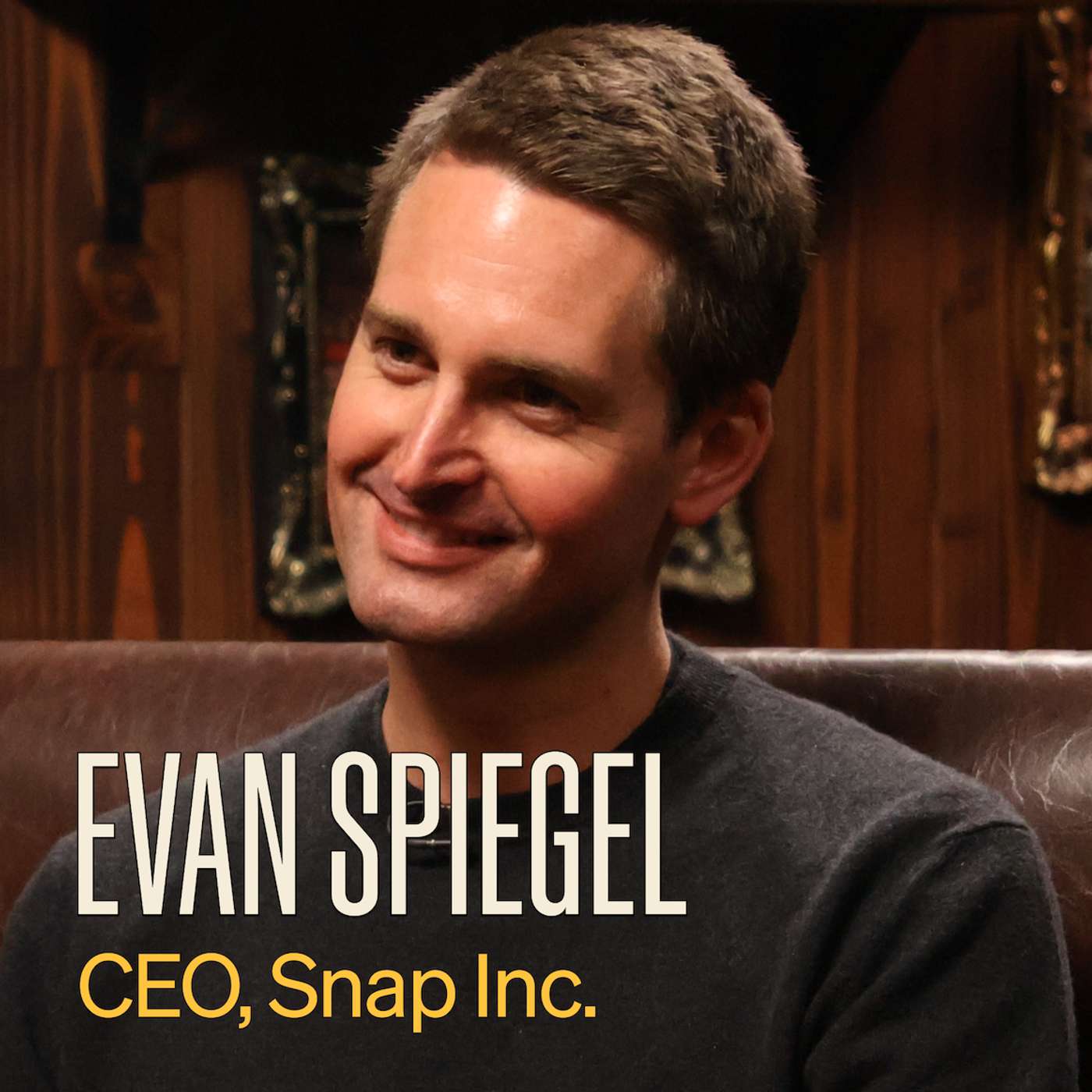
Snapchat intentionally separates friend-based social interactions from publisher-driven media consumption. Spiegel says combining them creates a perverse incentive to push users to add more friends simply to generate feed content, which ultimately pollutes the core social experience with close connections.
Unlike traditional media, social platforms are financially incentivized to maximize user engagement and retention. This will likely lead them to programmatically stop running, or even reject, ad spend for low-performing creative that causes users to leave their platforms, protecting the overall user experience.

A key to Twitter's early business success was making its ad and content formats the same: a tweet. This design choice made ads feel native and relevant, allowing brands to participate in real-time cultural moments. The model also seamlessly translated to mobile, avoiding Facebook's initial struggles.

Unlike broadcast-based social media, Snapchat's growth is inherently slower because it relies on communication within smaller groups. Evan Spiegel argues this trade-off creates a more durable service. By being a core utility for maintaining close relationships, the platform builds long-term value and resilience against shifting trends.

Companies like Snap are in a "crucible moment," stuck between tech giants and nimble startups. They face the high operational costs of a large user base without the revenue or market power of giants, creating intense pressure to innovate and operate efficiently.
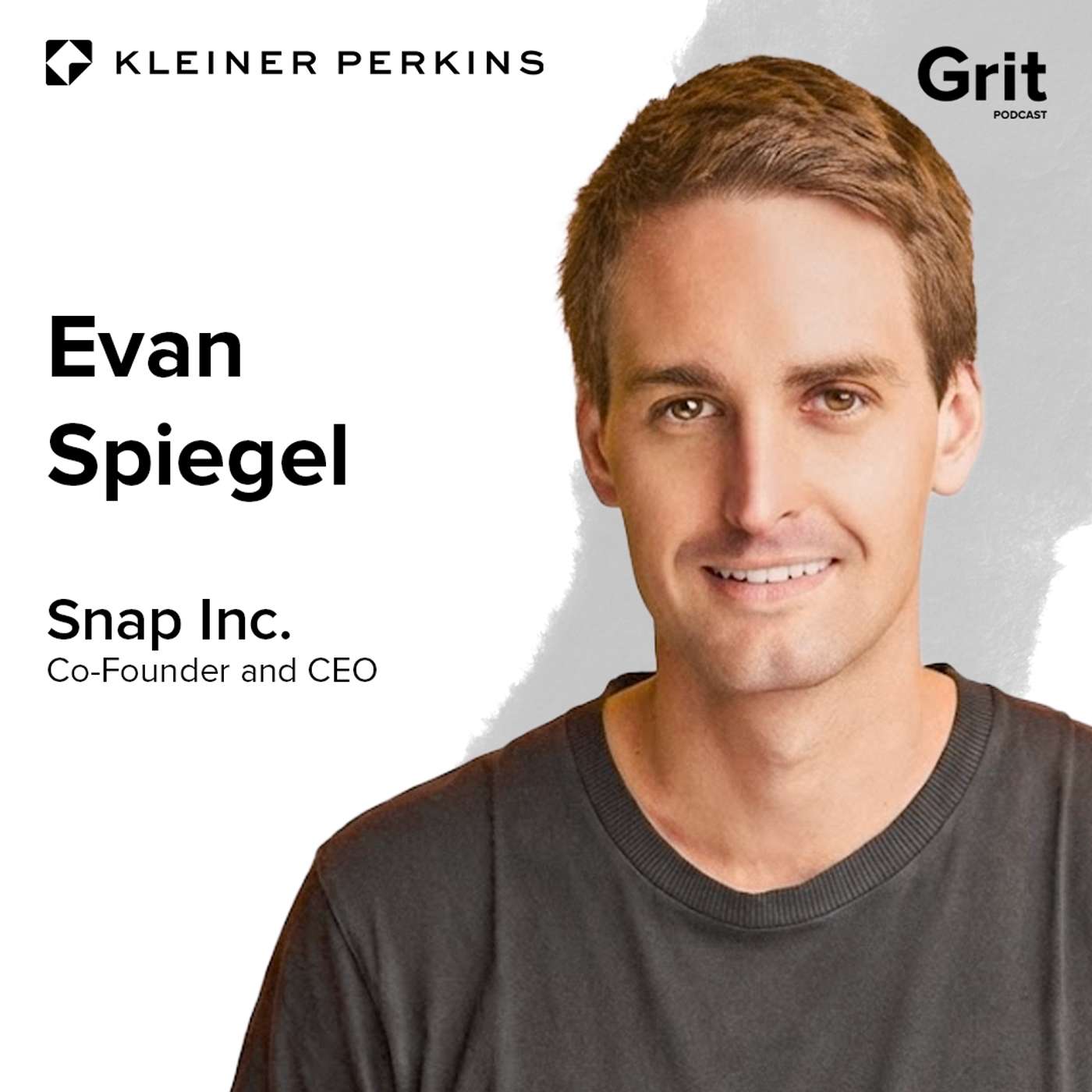
Snapchat's subscription service achieved a billion-dollar run rate not by gating core features, but by building and monetizing niche requests from its most passionate power users (e.g., Bitmoji pets, chat backgrounds). This created a new revenue stream and a justifiable reason to build features that wouldn't have been prioritized for the platform's billion-person user base.

Snap's internal brand analysis revealed its core function is not entertainment but utility—a camera, chat, and map for close friends. This pivot sharpens their differentiation against entertainment-driven platforms.

Twitter (X) has historically struggled to capture the value it creates because users treat it as a "watering hole" for news and discussion. This mindset is fundamentally different from Meta's platforms, where users are in a "shopping" frame of mind, making them far more receptive to product ads and e-commerce integrations.
