Get your free personalized podcast brief
We scan new podcasts and send you the top 5 insights daily.
Snap's internal brand analysis revealed its core function is not entertainment but utility—a camera, chat, and map for close friends. This pivot sharpens their differentiation against entertainment-driven platforms.

Related Insights
While brands focus on public feeds, the real conversations and influence happen in chat. Grace Kao argues this channel is underestimated and will become central with the rise of AI-driven conversational UIs.
A large percentage of Snapchat users are not active on other major platforms like Pinterest, TikTok, or even Instagram. This makes it a crucial channel for reaching unique customer segments that marketers might otherwise miss entirely, forcing a rethink on channel diversification.

Snapchat's data shows that authentic, unedited, user-generated content (UGC) made natively in its camera performs significantly better than polished, professionally edited, or AI-generated content. This highlights a user preference for originality and connection over production value, especially for content consumption on social media.

Snapchat's early growth challenged the prevailing wisdom that larger networks are always better. By focusing on connecting a user with their closest friends, they created immense value in a smaller, more intimate network, proving that the depth of connection could be more powerful than the breadth.

Snapchat intentionally separates friend-based social interactions from publisher-driven media consumption. Spiegel says combining them creates a perverse incentive to push users to add more friends simply to generate feed content, which ultimately pollutes the core social experience with close connections.
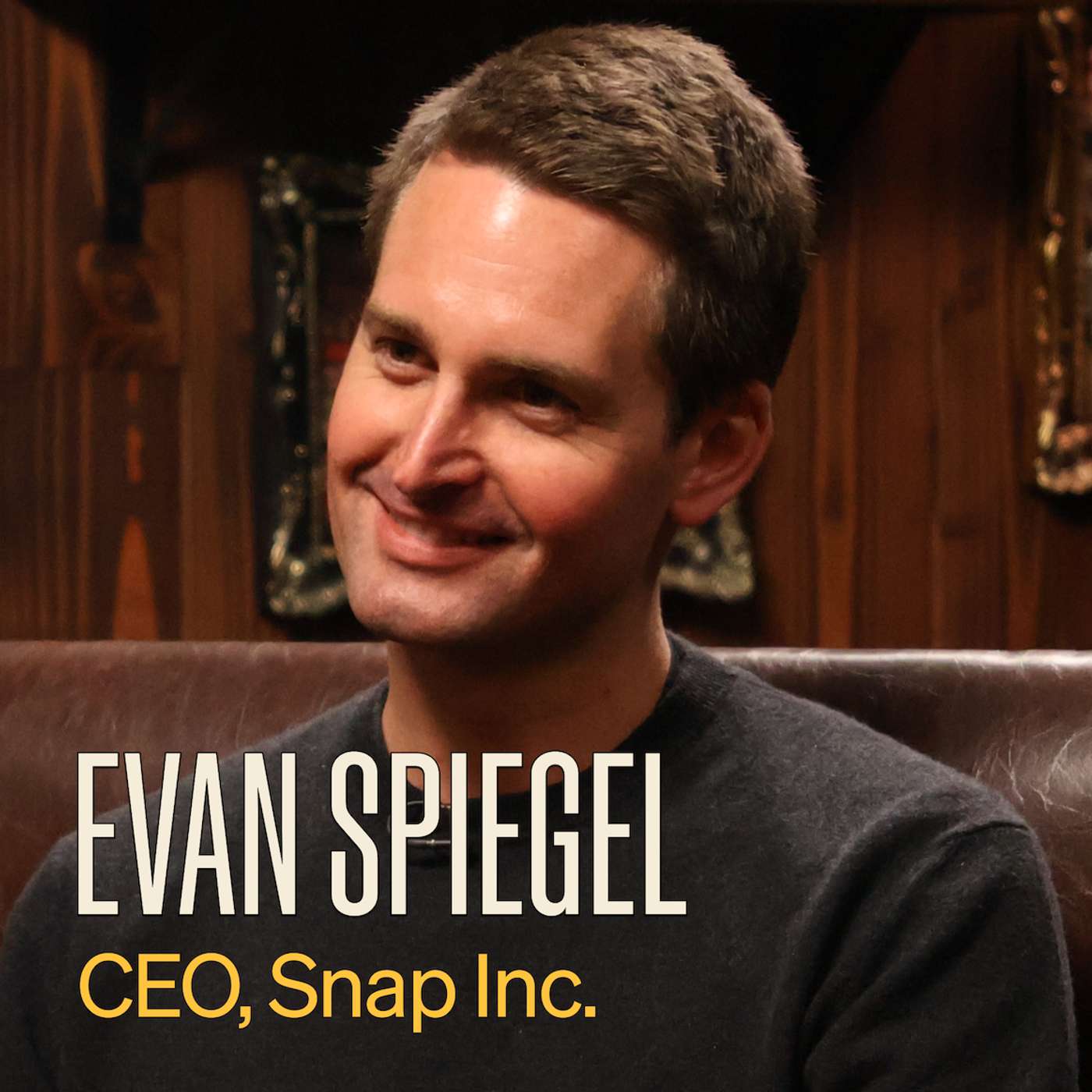
Users simultaneously asked for a "send all" button while also complaining about social media pressure. Instead of building the requested feature, Snap's team listened to the underlying problems. They created Stories, which allowed for broad sharing without spam or the pressure of likes and permanence.
Unlike broadcast-based social media, Snapchat's growth is inherently slower because it relies on communication within smaller groups. Evan Spiegel argues this trade-off creates a more durable service. By being a core utility for maintaining close relationships, the platform builds long-term value and resilience against shifting trends.

Companies like Snap are in a "crucible moment," stuck between tech giants and nimble startups. They face the high operational costs of a large user base without the revenue or market power of giants, creating intense pressure to innovate and operate efficiently.
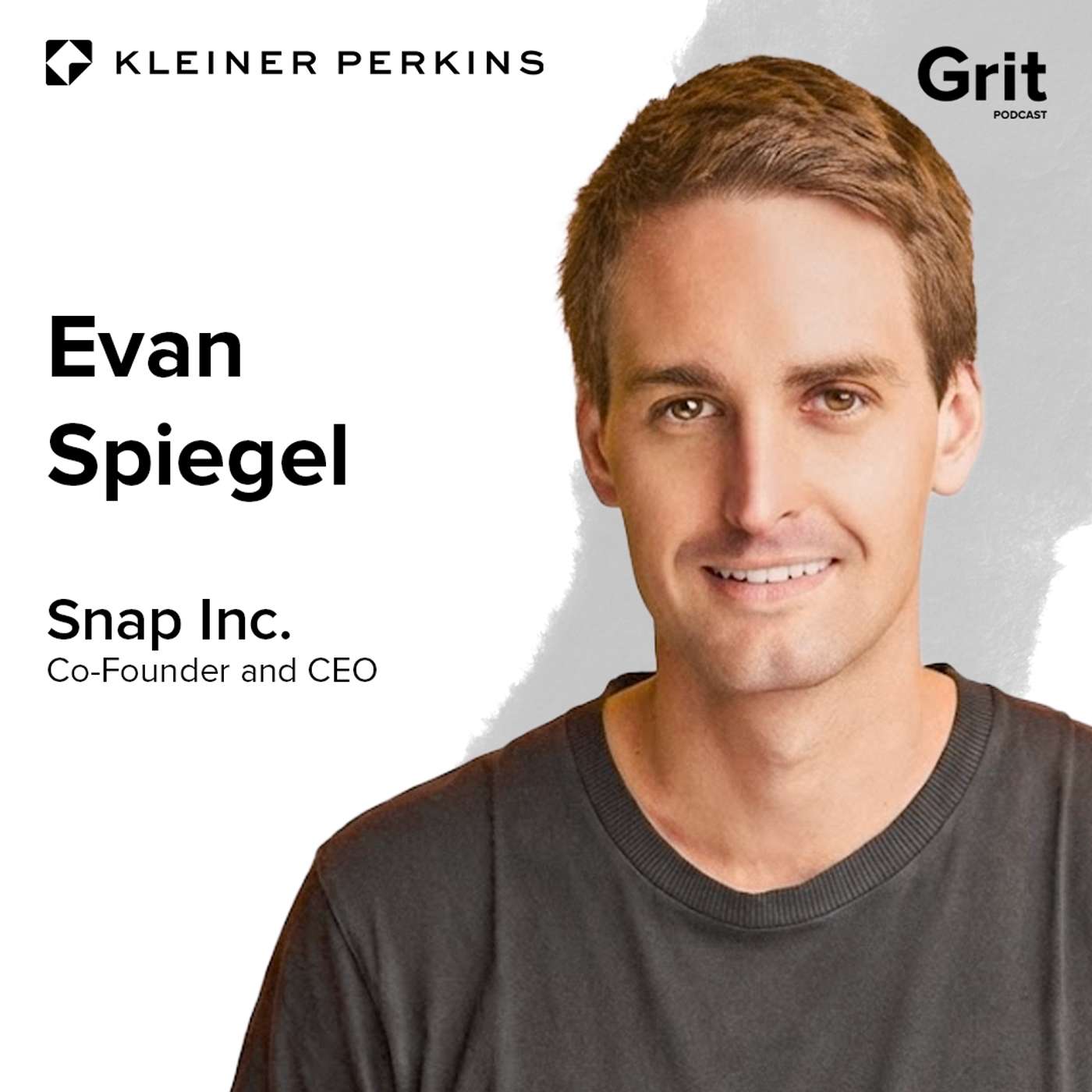
Years before it was a mainstream concern, Snap championed privacy as a core value. Evan Spiegel's thesis was that privacy is not just about security but is the essential foundation for self-expression. Feeling safe from permanent public recording allows users to be authentic with friends and family.
Public metrics like likes and shares are secondary. According to Snap's CMO, the ultimate test of brand resonance with younger audiences is whether they are organically discussed in private group chats.