Get your free personalized podcast brief
We scan new podcasts and send you the top 5 insights daily.
Carson's success wasn't just her message. Her status outside academia (avoiding claims of "prostituting science"), poetic writing, and calm demeanor gave her unique credibility. This allowed her to launch the environmental movement years before a different type of messenger could have.

Related Insights
While public support is vital, movements don't just happen. They require specific individuals who act as catalysts. The British abolitionist movement, for example, is inseparable from Thomas Clarkson, who was the first person to envision a national public campaign and dedicate his life to it, turning a latent issue into a powerful political force.
Peter Hotez frames scientific motivation with "science tikkun," adapting the Jewish concept of "tikkun olam" (to repair the world). He argues most scientists are fundamentally driven by a humanitarian desire to do good, a narrative needed to counter portrayals of them as villains by bad actors.

An outsider's perspective, free from industry dogma, can be a powerful asset in life sciences. This viewpoint enables questioning of established norms and identifying unconventional solutions, such as applying a non-profit fundraising model to drug manufacturing.

In the 1960s, Jane Goodall was criticized by scientists for naming chimpanzees and describing their emotions. These very methods, however, were crucial in overthrowing the dogma that personality, thought, and feeling were uniquely human traits, transforming the field of ethology.

Percival Lowell, a wealthy Harvard graduate from an elite family, successfully framed himself as a maverick fighting scientific orthodoxy. This "insider-as-outsider" narrative is a powerful tool for building a following, as it combines the authority of the establishment with the appeal of a revolutionary.

The polar bear was an effective climate symbol because its story mirrored the Teddy Bear's. A once-feared, powerful predator was now reframed as a helpless victim of human activity, triggering the same cycle of guilt and empathy that made the original toy a cultural phenomenon.
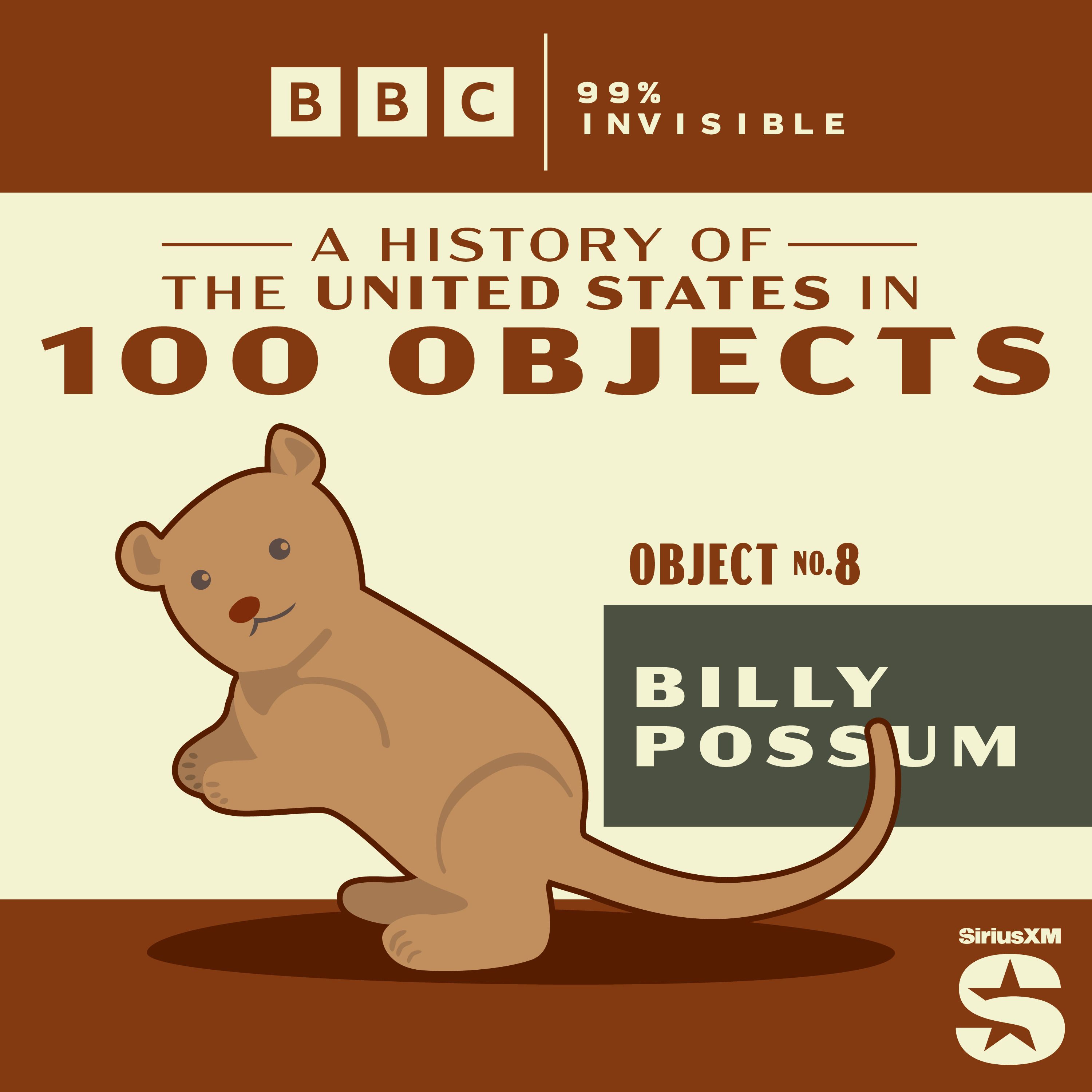
Environmental lawyers fighting climate change in the 2000s conducted a "casting process" for an animal mascot. They knew scientific validity wasn't enough; they needed a charismatic species like the polar bear to capture public attention and prevent their legal efforts from being ignored.
Jane Goodall taking a moment to read a manuscript handed to her by a young Paul Rosolie in a 500-person line was the singular event that launched his career. Her endorsement opened doors to publishers, validating the idea that a small, thoughtful gesture from an established figure can be life-changing for emerging talent.

Darwin communicated his theory in plain, persuasive English, accelerating its acceptance. In contrast, Newton wrote in Latin and was secretive, slowing his ideas' spread. This highlights that exposition and narrative are critical, non-technical skills for driving scientific progress and convincing others to invest in a new idea.
Experts deeply embedded in a field can struggle to communicate the big picture to laypeople. Advocates from outside disciplines, like politics, can be more effective because they've learned the subject in a way that is already translatable and can distill complex ideas for policymakers.
