Get your free personalized podcast brief
We scan new podcasts and send you the top 5 insights daily.
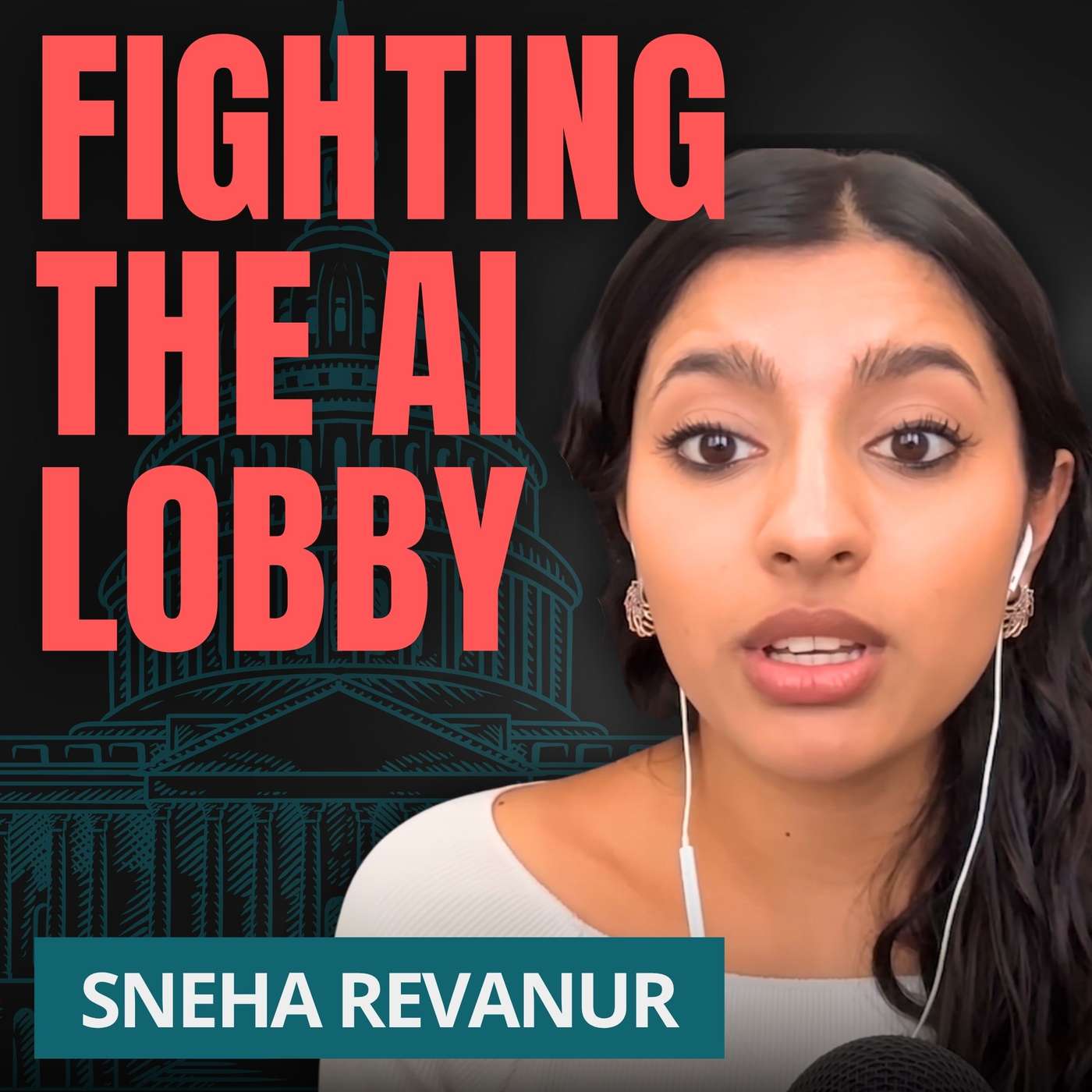
Encode successfully fought federal preemption of state AI laws by uniting "strange bedfellows" like conservatives, parents of children harmed by AI, and artists. Rallying diverse groups with different end goals against a single, shared threat is a powerful political strategy for blocking unfavorable policy.
Related Insights
Encode AI found its initial grassroots model with young volunteers was difficult to convert into tangible political outcomes. They shifted to a professionalized approach, building coalitions with established groups that already have clear stances, which proved significantly more effective.
Despite hyper-partisanship, the core principles of the Biden administration's AI Bill of Rights have been adopted in proposals by red states like Oklahoma and Florida. This suggests a surprising bipartisan consensus is emerging around the need to protect citizens from specific AI harms.
Contrary to the belief that advocates are always "outside the room," California's legislative process allows organizations to act as co-sponsors on bills. This unique feature gave Encode AI an inside role in shaping AI safety laws, from drafting and negotiating to influencing implementation.
Influencers from opposite ends of the political spectrum are finding common ground in their warnings about AI's potential to destroy jobs and creative fields. This unusual consensus suggests AI is becoming a powerful, non-traditional wedge issue that could reshape political alliances and public discourse.

A new populist coalition is emerging to counter Big Tech's influence, uniting politicians from opposite ends of the spectrum like Senator Ed Markey and Rep. Marjorie Taylor Greene. This alliance successfully defeated an industry-backed provision to block state-level AI regulation, signaling a significant political realignment.

The economic and societal impact of AI is forcing politicians across the aisle to collaborate. From co-sponsoring legislation on AI-driven job loss to debating state vs. federal regulation, AI is creating common ground for lawmakers who would otherwise rarely work together.

Encode's ambitious SB1047 bill was vetoed, but the effort wasn't a failure. It primed the legislature, built a powerful coalition, and put AI regulation on the governor's radar. This "delayed payoff" from the initial failure was essential for passing the subsequent, successful SB53 bill.
Unlike divisive issues like immigration, concern over AI's impact on jobs, society, and security is shared by Republicans, Democrats, unions, and religious groups. A politician who effectively channels this widespread anxiety could ride a powerful populist wave, making it a key political opportunity.

Public backlash against AI isn't a "horseshoe" phenomenon of political extremes. It's a broad consensus spanning from progressives like Ryan Grimm to establishment conservatives like Tim Miller, indicating a deep, mainstream concern about the technology's direction and lack of democratic control.

Advocating for a single national AI policy is often a strategic move by tech lobbyists and friendly politicians to preempt and invalidate stricter regulations emerging at the state level. Under the guise of creating a unified standard, this approach effectively ensures the actual policy is weak or non-existent, allowing the industry to operate with minimal oversight.
