Get your free personalized podcast brief
We scan new podcasts and send you the top 5 insights daily.
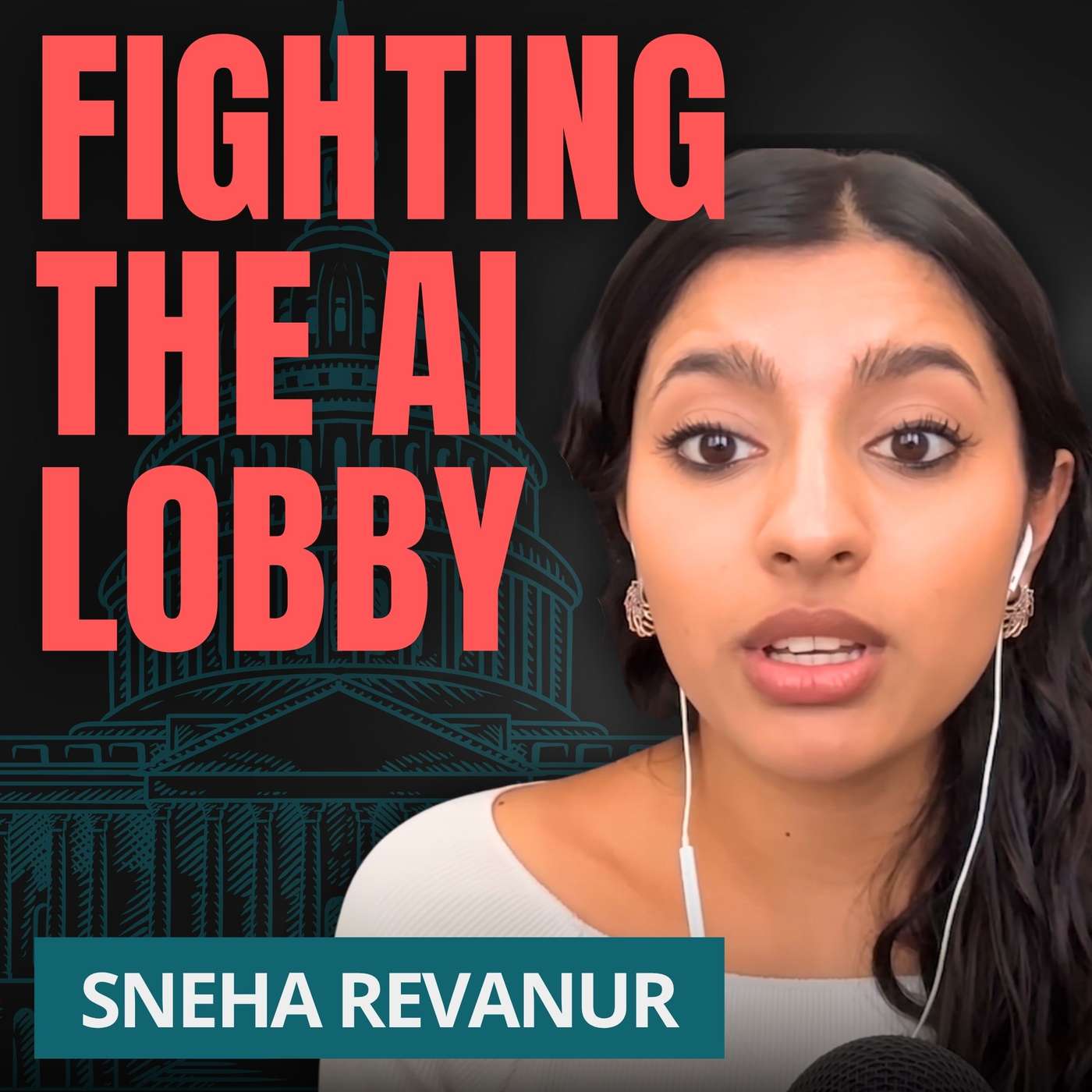
Anti-regulation super PACs are misapplying tactics that worked for the low-salience issue of crypto. Because the public is increasingly concerned about AI, massive spending can backfire by creating a backlash and boosting the name recognition of targeted politicians, proving capital is not always fungible into political outcomes.
Related Insights
Political strategist Bradley Tusk warns that the tech industry is in a bubble regarding public perception of AI. He predicts AI will be a major target in upcoming elections, blamed for both job losses and rising energy prices from data centers. Challengers will use anti-AI sentiment as a powerful tool against incumbents, a reality most in tech are not prepared for.

AI and immense tech wealth are becoming a lightning rod for populist anger from both political parties. The right is fracturing its alliance with tech over censorship concerns, while the left is turning on tech for its perceived alignment with the right, setting up a challenging political environment.
Anthropic and OpenAI are creating competing Super PACs to influence policy, setting the stage for political attack ads. This strategy could backfire significantly. Instead of one lab gaining an edge, their public battles may collectively erode public trust and create a negative perception of the entire AI industry, benefiting neither.

Sen. Murphy advises against a quiet approach to AI regulation. He argues that since AI companies will inevitably fund Republican opponents, Democrats are better off proactively making AI regulation and the industry's political spending a central, and likely winning, campaign issue.

Anthropic and OpenAI are launching competing Super PACs, treating the political landscape as an extension of their business rivalry. This strategy is perilous; negative campaigning against each other could sour public opinion on AI as a whole, rather than just swaying favor from one lab to another. A unified lobbying front might prove more effective for long-term industry health.

The public and political vibe is shifting against AI because the industry has a "horrible messaging" problem. Leaders fail to articulate the positive upside for society, allowing negative narratives about job loss and wealth concentration to dominate, which will inevitably lead to restrictive regulation.

AI leaders' apocalyptic messaging about sentient AI and job destruction is a strategy to attract massive investment and potentially trigger regulatory capture. This "AB testing" of messages creates a severe PR problem, making AI deeply unpopular with the public.

Polling data reveals the most effective political messaging combines fears about AI with populist economic promises like job and income guarantees. This hybrid "AI populism" tests significantly better than generic populism or standalone AI-focused messages, indicating a public desire for radical solutions to technological disruption.

An anti-regulation super PAC's attack ads targeting New York State Assembly member Alex Boris are ironically helping his campaign. The ads raise his name recognition and highlight his popular stance on regulating AI, leading to a surge in donations and volunteers.

Unlike Uber or crypto, AI companies struggle to build a grassroots political base. Even with massive user numbers, consumers view AI chatbots as a functional utility, like a phone company, rather than a beloved service they would fight to protect. This lack of user affinity prevents mobilizing customers politically.
