Get your free personalized podcast brief
We scan new podcasts and send you the top 5 insights daily.
Top-tier podcasters like Steven Bartlett of "Diary of a CEO" prioritize data-driven retention over natural conversation. This means intentionally cutting transitions or skipping empathetic follow-up questions to immediately jump to the next high-interest topic, keeping viewers hooked even if it feels jarring or "heartless."

Related Insights
Former NPR hosts, known for highly polished broadcasts, advise podcasters that the most engaging content is often the "messy stuff." Awkward moments, pauses, and sighs create authenticity. The goal isn't to create the most polished version of a conversation, but the most authentic and engaging one.

Instead of a traditional Q&A, structure your show as a two-way conversation. By contributing your own expertise and synthesizing the guest's ideas in real-time, you create a unique, non-commoditized product that can't be replicated, even with the same guest.

The speaker is abandoning a high-effort interview podcast for a low-production daily show. He believes the rawness and authenticity, including background noise, create a more intimate and sustainable connection with listeners, which is often lost in overly polished formats.

The podcast's pitch actively counters audience burnout by promising a single, curated, "essential" conversation each week. This positioning respects the listener's time and offers a high-signal alternative in a saturated market, framing the podcast as a valuable weekly appointment rather than just another content stream.

Focus on deep engagement metrics like total listening time over easily manipulated vanity metrics like downloads. A smaller, highly engaged audience that spends hours with your content is more valuable than a large, fleeting one that listens for only seconds.
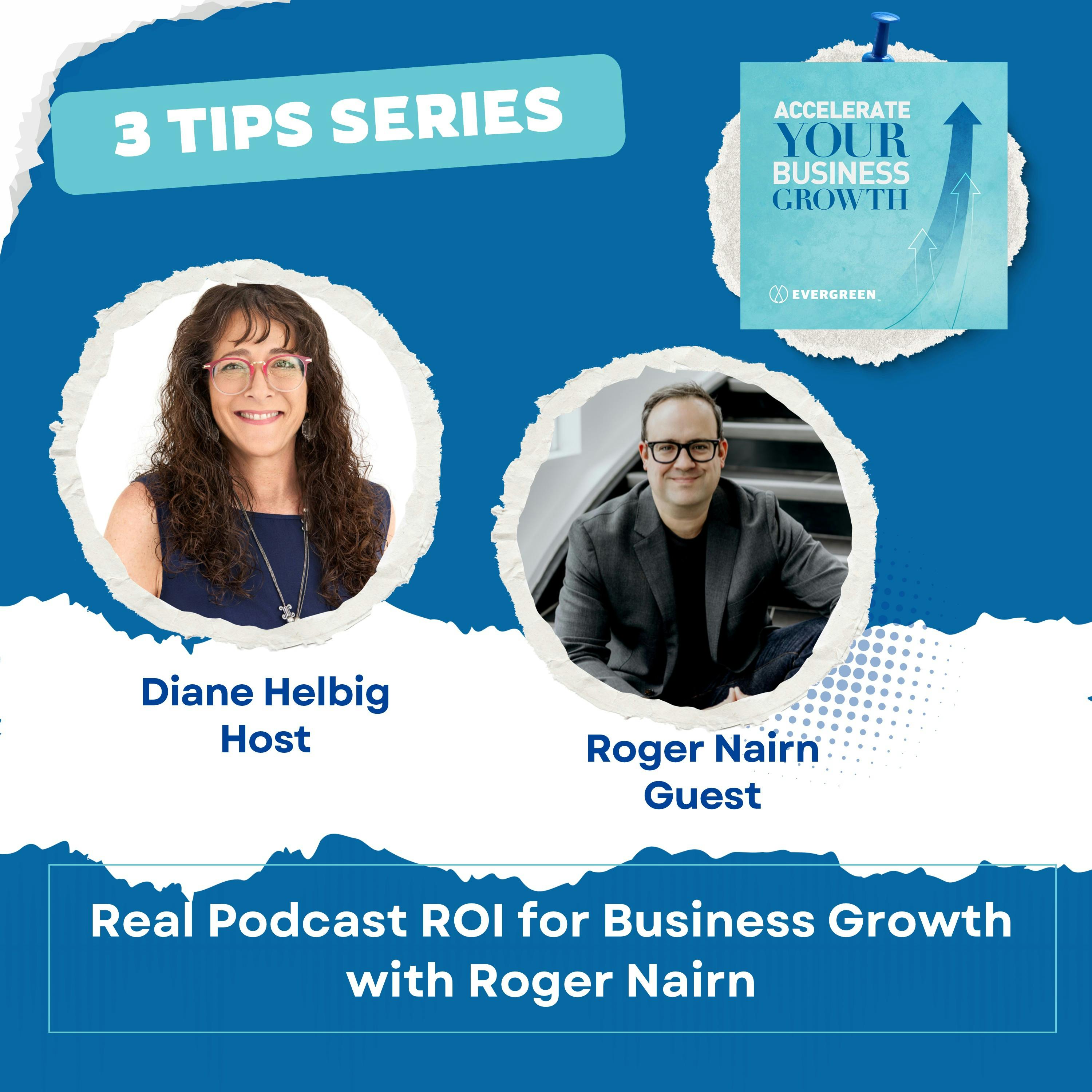
It is far easier to extract deep knowledge from experts, like a CEO, through a conversational podcast than by asking them to produce a polished written essay. Podcasting lowers the activation energy for sharing complex ideas.
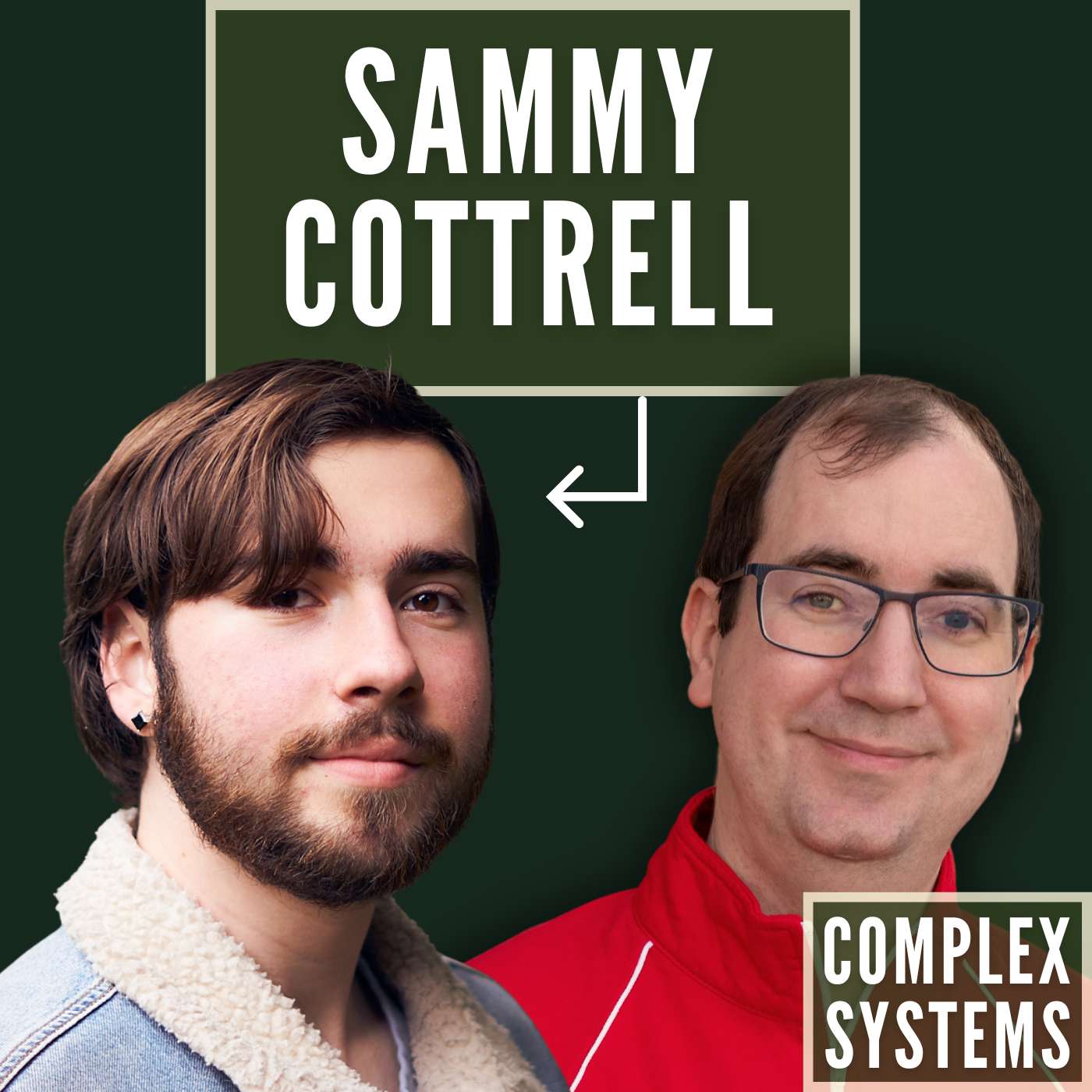
The podcast's structure deliberately combines a quick, valuable tip (the 'work question') with an unrelated, personal anecdote (the 'ridiculous question'). This formula delivers immediate value while also building a human connection with the host, making the content more engaging and memorable for listeners.

To succeed on video platforms like YouTube, podcasters must grab attention in the first minute. This incentivizes a style of front-loading exciting content, which fundamentally conflicts with the pacing and structure of traditional, narrative-driven podcasts that build suspense over time.

Andy Richter's technique for better interviews is to start recording the moment a guest arrives. This captures unguarded conversation before the formal "commercial vessel" of the show begins. Avoiding a stilted intro maintains a framework of real human interaction, leading to more authentic content.

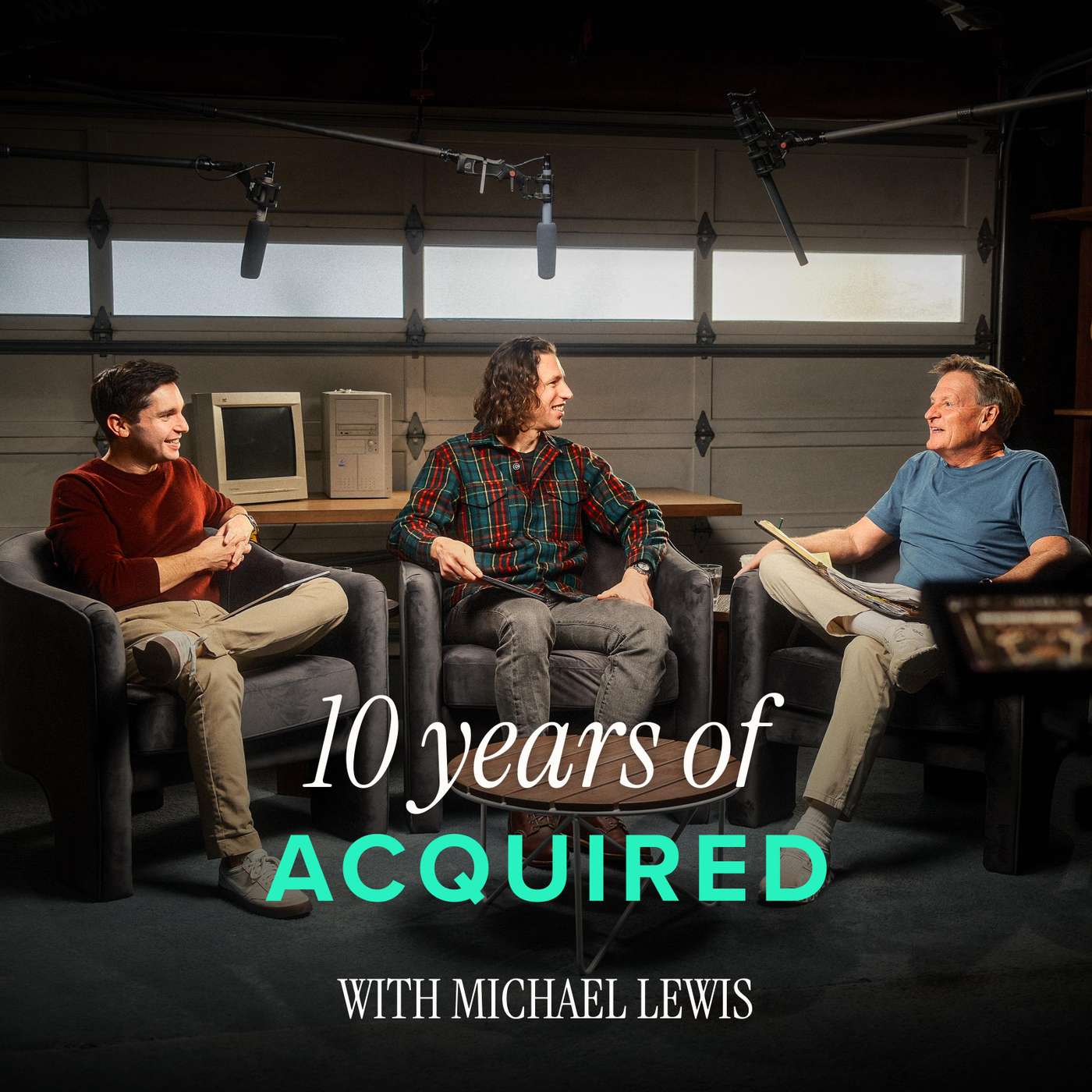
Acquired's hosts intentionally stopped sharing research to create authentic on-air reactions. This improvisational element adds emotional depth and surprise, signaling to the audience what's important and making complex topics more engaging than a scripted delivery ever could.