Get your free personalized podcast brief
We scan new podcasts and send you the top 5 insights daily.
Unlike countries with singular cartel problems, South Africa's criminality is pervasive across numerous sectors. The combination of an open economy and a corrupted state has created a complex web of illicit activities, from construction mafias and dodgy goods to deep political capture, making the problem exceptionally broad.

Related Insights
When cities stop prosecuting crimes like shoplifting under the assumption it's driven by poverty, they inadvertently create a lucrative market for organized crime. Sophisticated gangs exploit this leniency to run large-scale theft operations, harming the community more than the original policy intended to help.

A novel form of organized crime involves gangs buying small, established freight forwarding businesses. They leverage the company's legitimate reputation to take possession of high-value shipping containers, steal the goods, and then promptly shut down the business and disappear, making the crime nearly untraceable.

Despite banks spending vast sums on compliance, the criminal economy's share of global GDP remains unchanged since the 1990s. The regulations are burdensome and expensive but have only managed to prevent the criminal sector from growing *faster* than the overall economy.

Organized crime has evolved from simple theft to complex corporate schemes. One group purchased a legitimate freight brokerage, used it to win contracts, loaded trucks with $7 million of product in a single day, and then dissolved the company, showcasing a new level of criminal sophistication.

Profits from organized retail crime are often funneled into more sinister activities. They fund transnational gangs and cartels involved in money laundering, drug trafficking, and even human trafficking, elevating shoplifting from a petty crime to a national security issue.
Despite pervasive criminality within the state, South Africa retains robust institutional pillars like activist NGOs, independent judges, and a feisty media. This duality shows the country is not a wholly failed state but a battleground where these strengths are actively resisting systemic decay, as evidenced by public inquiries.
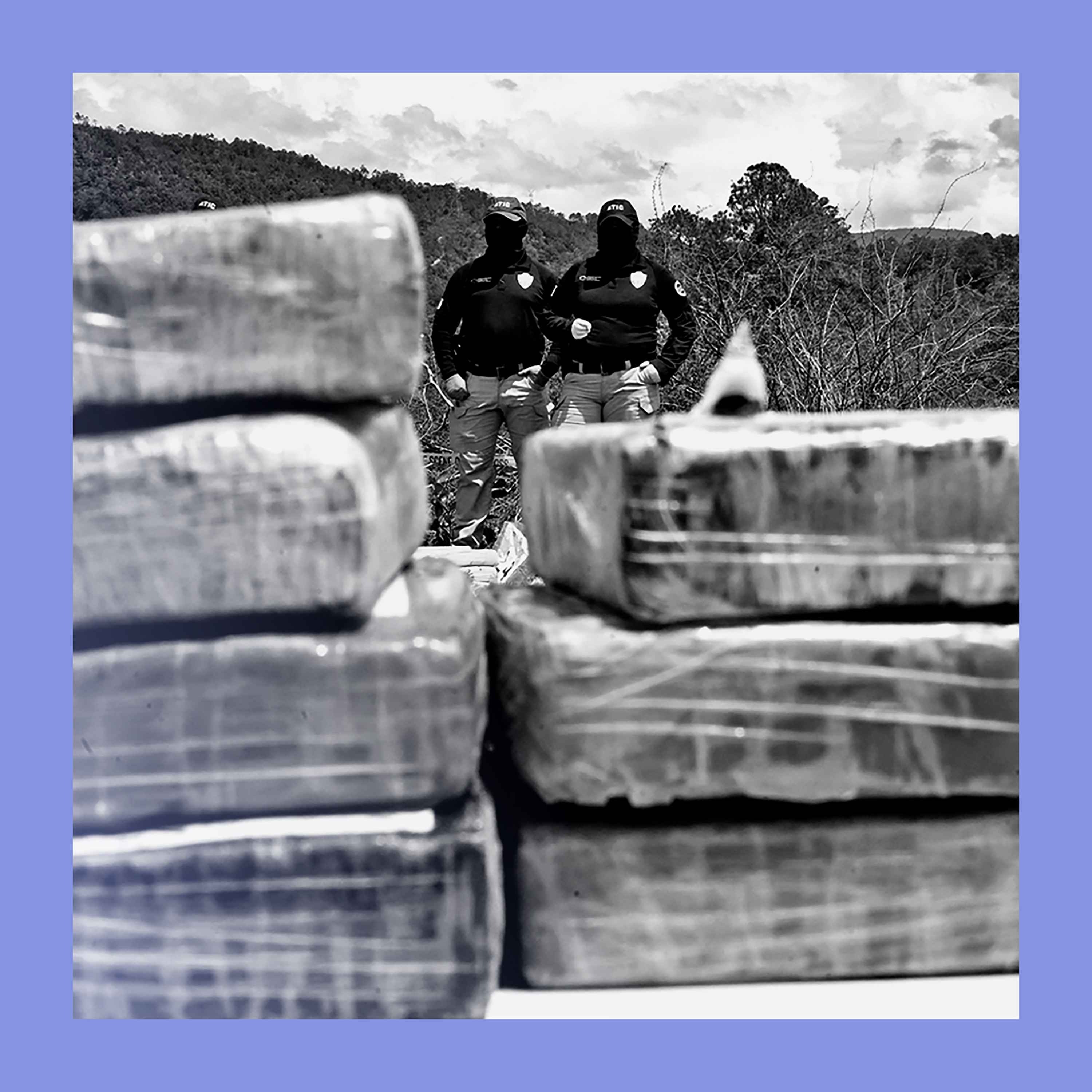
Drug trafficking has shifted from vertically integrated cartels to a fluid network of specialized subcontractors. This model, similar to tech manufacturing, makes the supply chain more resilient to disruption and fosters innovation in cultivation, smuggling, and money laundering, making it harder for law enforcement to disrupt.
The focus on suspicious bank transactions misses the bigger picture. Laundering an estimated trillion dollars a year, criminals move value by mis-invoicing goods like tractors or luxury items, a method that is far more difficult to track than financial transfers.
The Jalisco New Generation Cartel's power stems from its diversified criminal portfolio. Beyond drug trafficking, it engages in fuel theft, extortion, and even timeshare fraud. This broad business model, combined with its presence in all 32 Mexican states, makes it a uniquely powerful and complex criminal organization.
The modern view of corruption is too narrow, focusing only on illegal acts. A more historically grounded definition includes any practice that generates personal wealth without creating actual value for society. Legalizing these practices doesn't make them any less corrupt.
