Get your free personalized podcast brief
We scan new podcasts and send you the top 5 insights daily.
Horowitz explains the sky-high valuations for AI researchers by noting their skills are not teachable in universities. This expertise is a unique, "alchemistic" craft learned only by building large models inside a few key companies, creating a small, highly sought-after, and non-academically produced talent pool.
![Ben Horowitz - Backing America’s Future - [Invest Like the Best, EP.457] thumbnail](https://megaphone.imgix.net/podcasts/9505619a-009e-11f1-869d-c7d5bc43b194/image/83257eb514e1fd42513d2e46eeb4e9dd.jpg?ixlib=rails-4.3.1&max-w=3000&max-h=3000&fit=crop&auto=format,compress)
Related Insights
Early AI training involved simple preference tasks. Now, training frontier models requires PhDs and top professionals to perform complex, hours-long tasks like building entire websites or explaining nuanced cancer topics. The demand is for deep, specialized expertise, not just generalist labor.

The investment thesis for new AI research labs isn't solely about building a standalone business. It's a calculated bet that the elite talent will be acquired by a hyperscaler, who views a billion-dollar acquisition as leverage on their multi-billion-dollar compute spend.

The intense talent war in AI is hyper-concentrated. All major labs are competing for the same cohort of roughly 150-200 globally-known, elite researchers who are seen as capable of making fundamental breakthroughs, creating an extremely competitive and visible talent market.
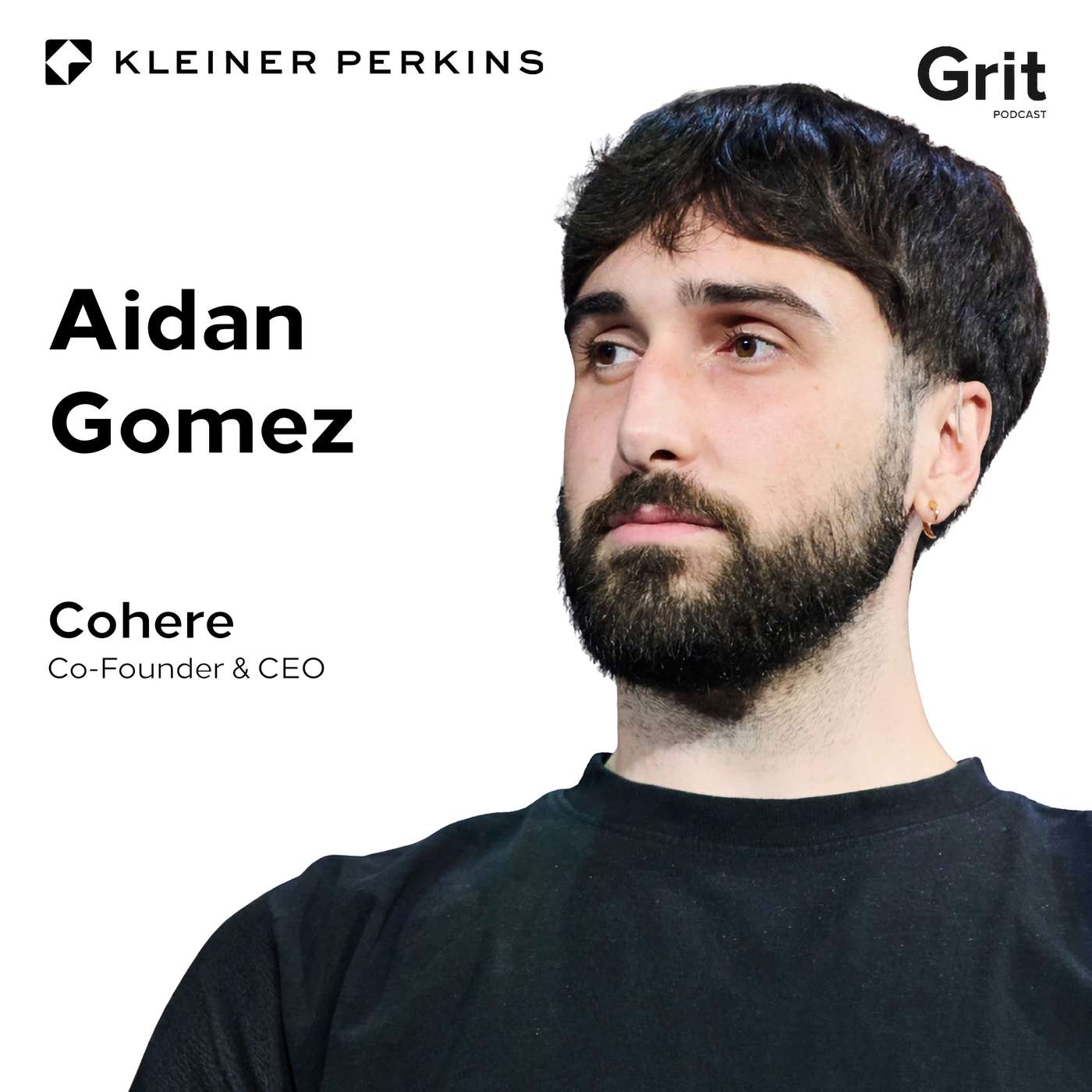
The 30-40% pay premium for AI PMs isn't just because "AI is hot." It's rooted in the scarcity of their specialized skillset, similar to how analytics PMs with statistics backgrounds are paid more. Companies are paying for demonstrated experience with AI tooling and technical fluency, which is rare.

While compute and capital are often cited as AI bottlenecks, the most significant limiting factor is the lack of human talent. There is a fundamental shortage of AI practitioners and data scientists, a gap that current university output and immigration policies are failing to fill, making expertise the most constrained resource.

Investing in the world's top AI research teams carries a unique risk profile. While the business outcome has high variance, the capital risk is asymmetric. The founders are so valuable that an acqui-hire is a highly probable outcome, creating a floor on the investment's value.

In a group of 100 experts training an AI, the top 10% will often drive the majority of the model's improvement. This creates a power law dynamic where the ability to source and identify this elite talent becomes a key competitive moat for AI labs and data providers.

At the start of a tech cycle, the few people with deep, practical experience often don't fit traditional molds (e.g., top CS degrees). Companies must look beyond standard credentials to find this scarce talent, much like early mobile experts who weren't always "cracked" competitive coders.
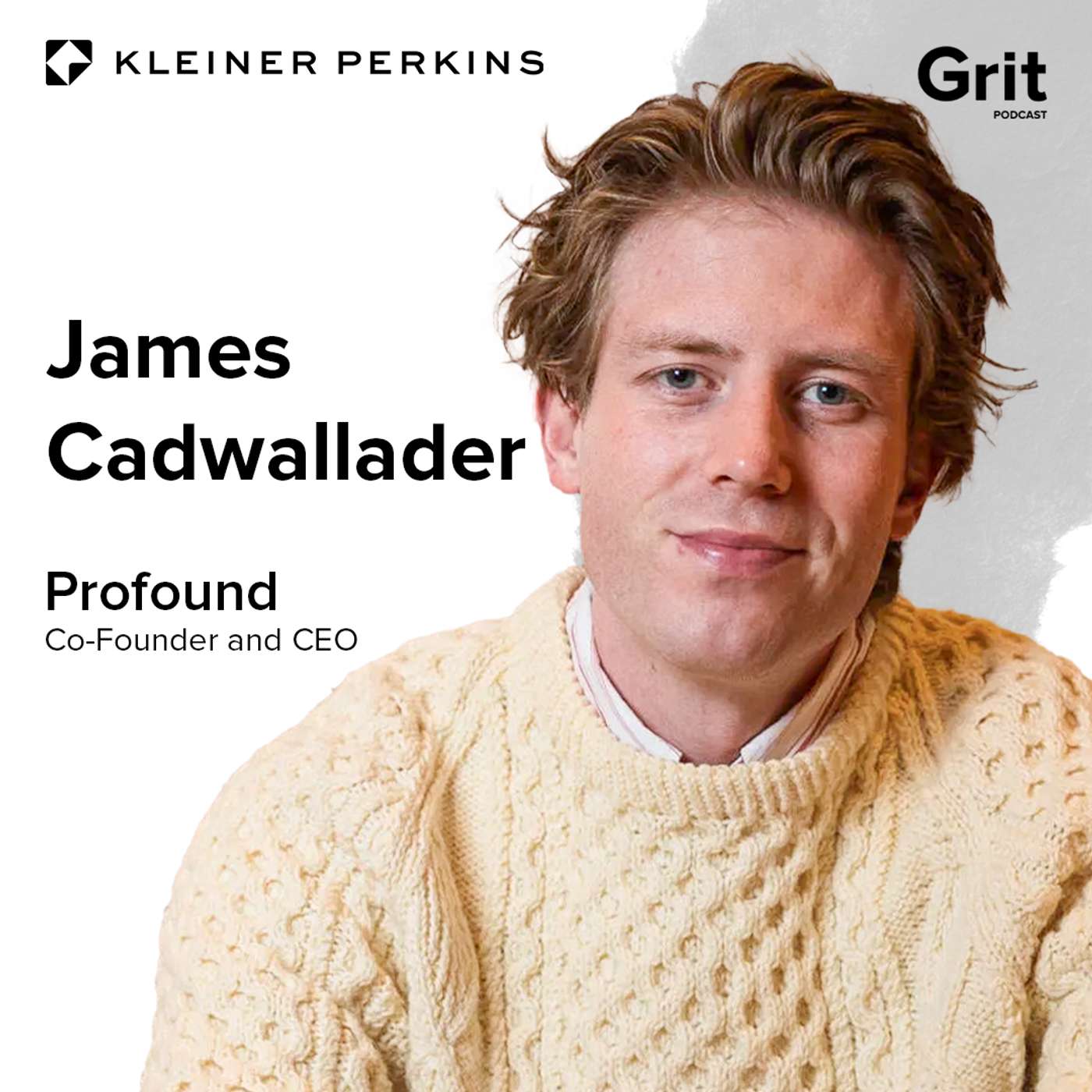
Paying a single AI researcher millions is rational when they're running experiments on compute clusters worth tens of billions. A researcher with the right intuition can prevent wasting billions on failed training runs, making their high salary a rounding error compared to the capital they leverage.
![Dylan Patel - Inside the Trillion-Dollar AI Buildout - [Invest Like the Best, EP.442] thumbnail](https://megaphone.imgix.net/podcasts/799253cc-9de9-11f0-8661-ab7b8e3cb4c1/image/d41d3a6f422989dc957ef10da7ad4551.jpg?ixlib=rails-4.3.1&max-w=3000&max-h=3000&fit=crop&auto=format,compress)
Contrary to the belief that distribution is the new moat, the crucial differentiator in AI is talent. Building a truly exceptional AI product is incredibly nuanced and complex, requiring a rare skill set. The scarcity of people who can build off models in an intelligent, tasteful way is the real technological moat, not just access to data or customers.