Get your free personalized podcast brief
We scan new podcasts and send you the top 5 insights daily.
Anthony Pompliano went to Facebook to learn scaling, then investing to learn finance, then started Sylvia from a painful personal spreadsheet. He says finding the biggest problem and tackling it opportunistically worked better than picking a 20-year goal and working backward. For him, that path was more strategic.

Related Insights
Actively seek uncomfortable roles that are challenging and not 'shiny.' Cracking these tough problems unlocks massive growth and learning, even if you don't fully succeed. These experiences build resilience and a reputation for being a problem-solver, preparing you for any future challenge.

It is critical for young people who don't yet have a world-changing idea to resist settling for a smaller, more obvious one. Instead, they should use their early career to explore diverse fields and gain exposure, which will lead them to more significant, impactful problems.

Don't start by trying to build a massive company. The most successful founders, from Dropbox to Meta, often began by solving a small, tangible problem they personally faced. This process of solving a real problem is the most reliable way to uncover a much bigger, more significant opportunity.
Don't fixate on a rigid career ladder. A 'fall upward' strategy involves embracing unexpected pivots and focusing on gathering transferable skills at every stage. This flexibility and openness to opportunity, rather than a strict plan, often leads to greater long-term success.

Ferriss advises against rigid long-term career plans, which he believes are too safe. Instead, he focuses on 6-12 month projects chosen specifically for the transferable skills and relationships they build. These assets create compounding value, even if the initial project fails, as shown by his journey from StumbleUpon to Uber.

Creating a long-term career master plan is often counterproductive, leading people onto generic conveyor belts like consulting or banking. A better strategy is to consistently choose the best opportunity available at the moment. Optimizing for the right things in the short term allows for more powerful, organic compounding over time.

Alexander Titus's career path has been shaped by prioritizing working on hard things with good people over a fixed, long-term plan. This flexible, people-first approach has led him to unique, "first-of-their-kind" roles across government, VC, and industry that a rigid plan would have missed.

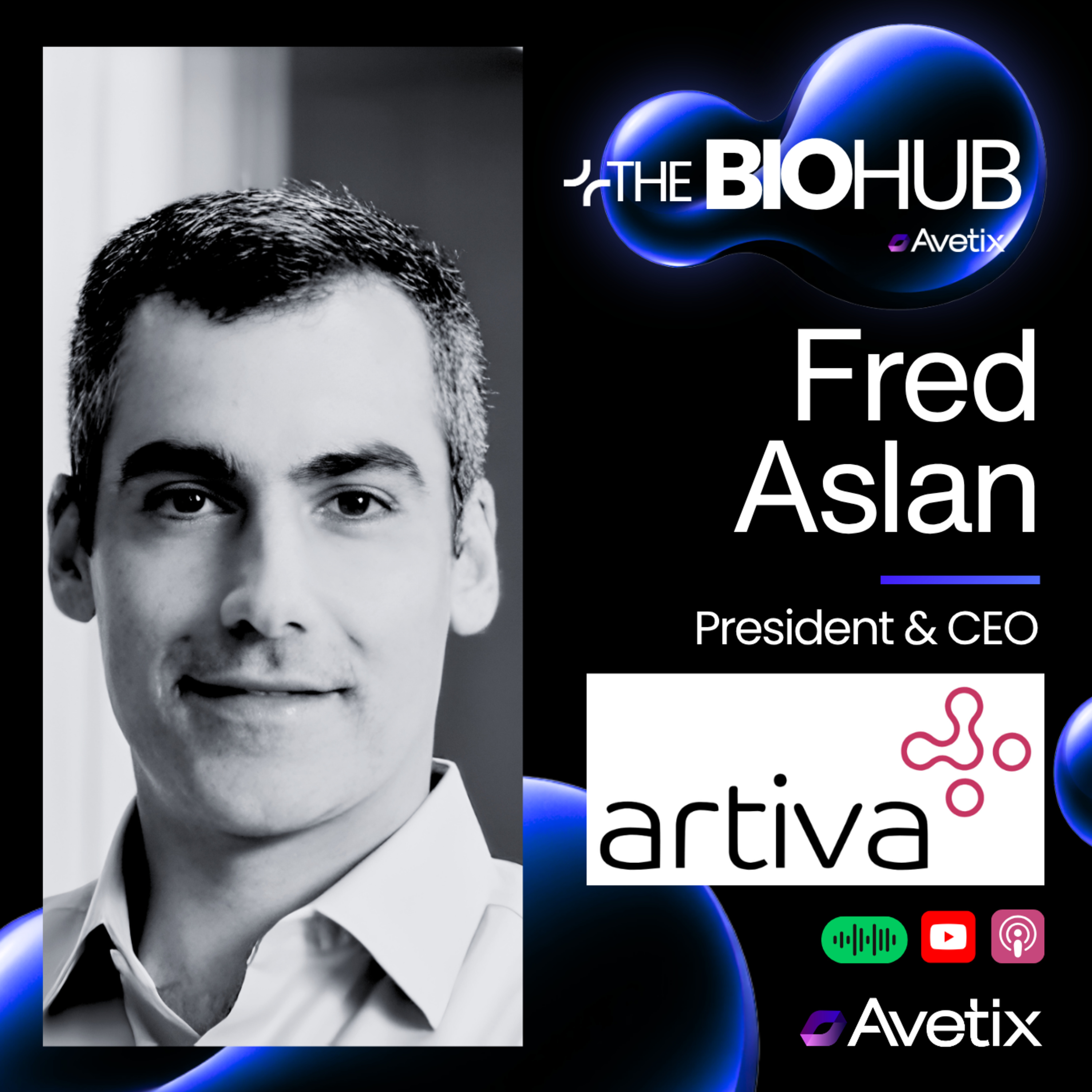
Artiva CEO Fred Aslan's path from medicine to VC to operator felt disjointed while he was living it, but in retrospect, each step provided crucial skills for the next. His advice is to optimize for passion and people, not a predetermined path, trusting that a "non-linear" journey is often the best way to build a unique and valuable skillset.
Alex Hormozi's career demonstrates that each year's single goal should be a direct prerequisite for the next. This creates a logical, compounding chain of achievements over a decade, rather than a collection of unrelated accomplishments. Each success builds the foundation for the subsequent, more ambitious goal.

Treat each career stage or business success not as a final destination but as a stepping stone. The skills, capital, and reputation gained from one venture become the explicit foundation for the next, more ambitious one. This creates a compounding effect where each step enables a bigger subsequent leap.