Get your free personalized podcast brief
We scan new podcasts and send you the top 5 insights daily.
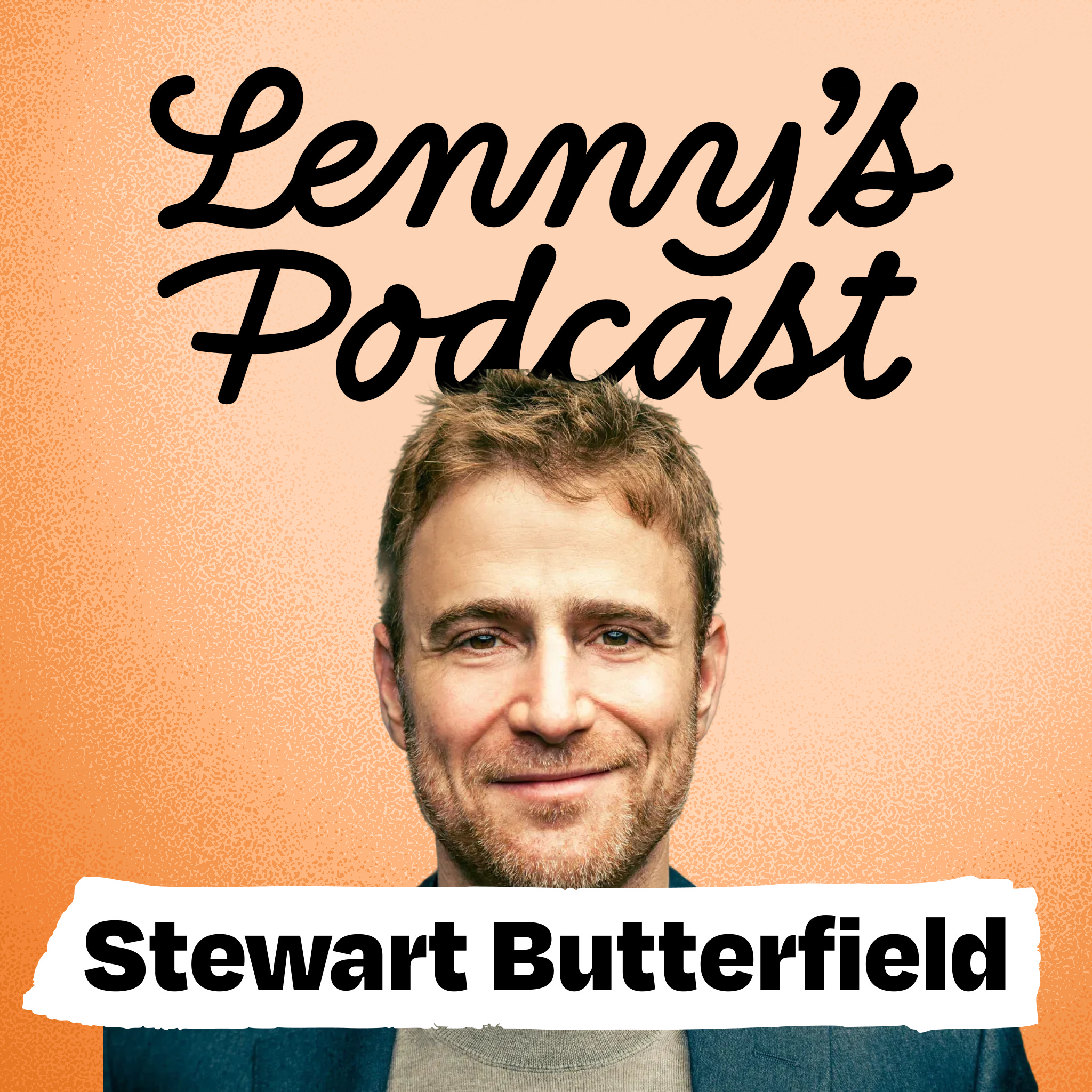
Duolingo's CEO argues mobile learning can't afford the same user frustration as a classroom. Because users are one click from distraction, the platform must prioritize lower friction over maximizing learning-per-minute. This ultimately leads to more total learning time by improving retention.
Related Insights
The most retentive products eliminate the "drudgery" of work by making complex tasks feel simple and intuitive. Users are hooked by the feeling of being in their natural flow, a more powerful motivator for retention than purely functional metrics like time saved.
While the goal is often a frictionless experience, some friction can be a positive filter. Descript found that users willing to download a desktop app were more invested and more likely to stick around. Don't be afraid of early steps that test a user's commitment.

The obsession with removing friction is often wrong. When users have low intent or understanding, the goal isn't to speed them up but to build their comprehension of your product's value. If software asks you to make a decision you don't understand, it makes you feel stupid, which is the ultimate failure.
Duolingo's CEO debunks the myth that serious learners need a solemn experience. Data shows that increasing fun boosts engagement for all user segments, challenging traditional educational approaches by proving that entertainment drives retention even for so-called "serious learners."
When her financial literacy classes failed, Maxine Anderson realized the problem wasn't that people didn't want to learn, but that the format (in-person classes) didn't fit their lives. This insight—that the delivery medium itself is often the biggest barrier—led to Artist's text-based learning platform.

Duolingo's CEO reveals that increasing friction on the free tier (e.g., adding more ads) is an easy and effective lever to drive paid subscriptions. The company deliberately limits this "annoyance-to-conversion" tactic to balance short-term revenue with long-term user retention and growth.
Duolingo is strategically shifting focus from revenue to user growth, anticipating AI will fundamentally change learning. The CEO is betting that capturing maximum market share during this technological shift is more valuable long-term than hitting short-term profit targets, even if it spooks investors.
When Duolingo paused its "unhinged" owl mascot social media strategy, daily active user growth saw its smallest increase in years. This direct correlation demonstrates that for some consumer apps, the social media team can be as crucial for growth as the engineering team, justifying top-tier compensation.

Contrary to popular belief, most learning isn't constant, active participation. It's the passive consumption of well-structured content (like a lecture or a book), punctuated by moments of active reinforcement. LLMs often demand constant active input from the user, which is an unnatural way to learn.

Instead of making users wait for an entire course to generate, Oboe immediately delivers the first module while the rest loads in parallel. This UX decision is critical for building trust and reinforcing the core value proposition that learning is achievable and can be started right away, avoiding user drop-off.