Get your free personalized podcast brief
We scan new podcasts and send you the top 5 insights daily.
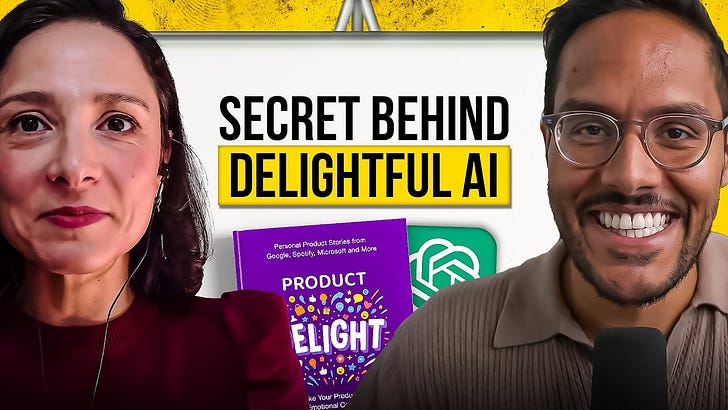
Duolingo's CEO reveals that increasing friction on the free tier (e.g., adding more ads) is an easy and effective lever to drive paid subscriptions. The company deliberately limits this "annoyance-to-conversion" tactic to balance short-term revenue with long-term user retention and growth.
Related Insights
The host is candid that ads on the free podcast can be annoying, and this is by design. The friction created by ads serves as the primary incentive for users to upgrade to the paid, ad-free premium version. A completely frictionless free experience would disincentivize conversion.

Many founders mistakenly view freemium as a complete business model. It's actually a top-of-funnel acquisition strategy that replaces marketing spend with a free product to generate leads. The real business model is the subsequent upsell to paid tiers.

The value of a free user isn't zero; it's their potential to become a marketing agent. When delighted, free users drive word-of-mouth, referrals, and social proof. This earned media is an invaluable and defensible growth engine that you cannot buy.

Grammarly's free version only showed spelling fixes, hiding its advanced AI capabilities. By interspersing paid suggestions (like tone and clarity) into the free experience, they demonstrated the product's full power and dramatically increased conversions.
Read AI discovered that the longer a user stays on the free plan, the more likely they are to eventually pay. By allowing users to build a large personal data archive for free, the value of upgrading to access and query that history becomes a powerful, self-created incentive.

The success of X's (formerly Twitter) paid subscription isn't about premium features. Instead, it works by making the free experience significantly less valuable for power users, creating a strong financial incentive for them to pay simply to restore the platform's core utility.

The goal of a free trial isn't just to let users 'try before they buy.' It's to integrate your solution into their workflow so that its eventual removal creates a powerful sense of loss and deprivation. This feeling of losing the solution, rather than the initial desire for it, is what drives conversion.

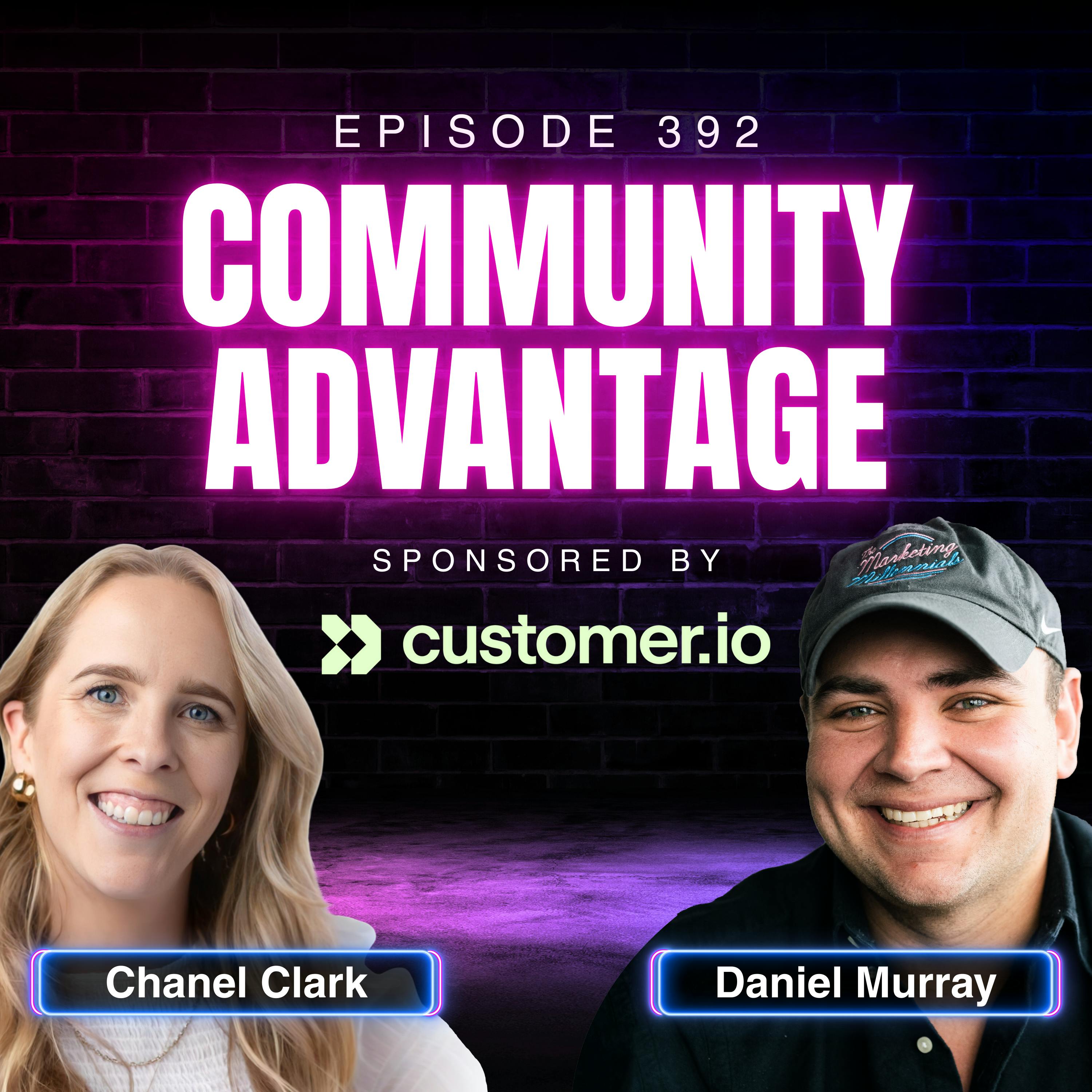
TMC operated as a free community for years, building immense value and trust. When they finally introduced a paid tier, members were eager to pay, with many saying they would have paid earlier. This extended "free trial" model proves value first, making monetization seamless.
Counterintuitively, a high freemium conversion rate (e.g., 7%) isn't always positive. It may indicate the free plan is too restrictive, failing to build a wide user base that provides network effects, referrals, or a long-term upgrade pipeline. The goal is a broad top-of-funnel, not just quick conversions.

"Anti-delight" is not a design flaw but a strategic choice. By intentionally limiting a delightful feature (e.g., Spotify's skip limit for free users), companies provide a taste of the premium experience, creating just enough friction to encourage conversion to a paid plan.