Get your free personalized podcast brief
We scan new podcasts and send you the top 5 insights daily.
A primary reason for failed government digital transformations is that software vendors' main skill is securing contracts, not delivering quality products. An ex-Airbnb team had to fire a vendor and rebuild a system from scratch, highlighting how the incentive structure in government procurement leads to poor outcomes.

Related Insights
The government's procurement process often defaults to bidding out projects to established players like Lockheed Martin, even if a startup presents a breakthrough. Success requires navigating this bureaucratic reality, not just superior engineering.

The public procurement process, designed for fairness, often functions as a bureaucratic hurdle. The Request for Proposal (RFP) is frequently written with specifications so tailored to one vendor that the outcome is predetermined, turning a competitive process into a lengthy formality.

Youngkin pinpoints two culprits for chronic government IT failures: a belief that everything requires a massive, inflexible enterprise system, and an internal talent base unprepared for modern tech. This leads to budget overruns, project delays, and vendor mismanagement.

Government procurement processes are rooted in a pre-digital, paper-based mental model. They treat software like a physical commodity that must be procured anew for each jurisdiction, preventing them from leveraging software's inherent scalability and leading to massive, redundant development costs.
While AI and modern tools are making software development significantly cheaper, government contracting models have not adapted. Agencies remain locked into expensive, outdated procurement processes, paying more for software even as its actual cost plummets.

To minimize risk, government contracts often require bidders to have prior experience building the exact same system. This seemingly prudent rule creates a catch-22, barring new entrants and locking in a small number of incumbents who can then dominate the market and inflate prices.
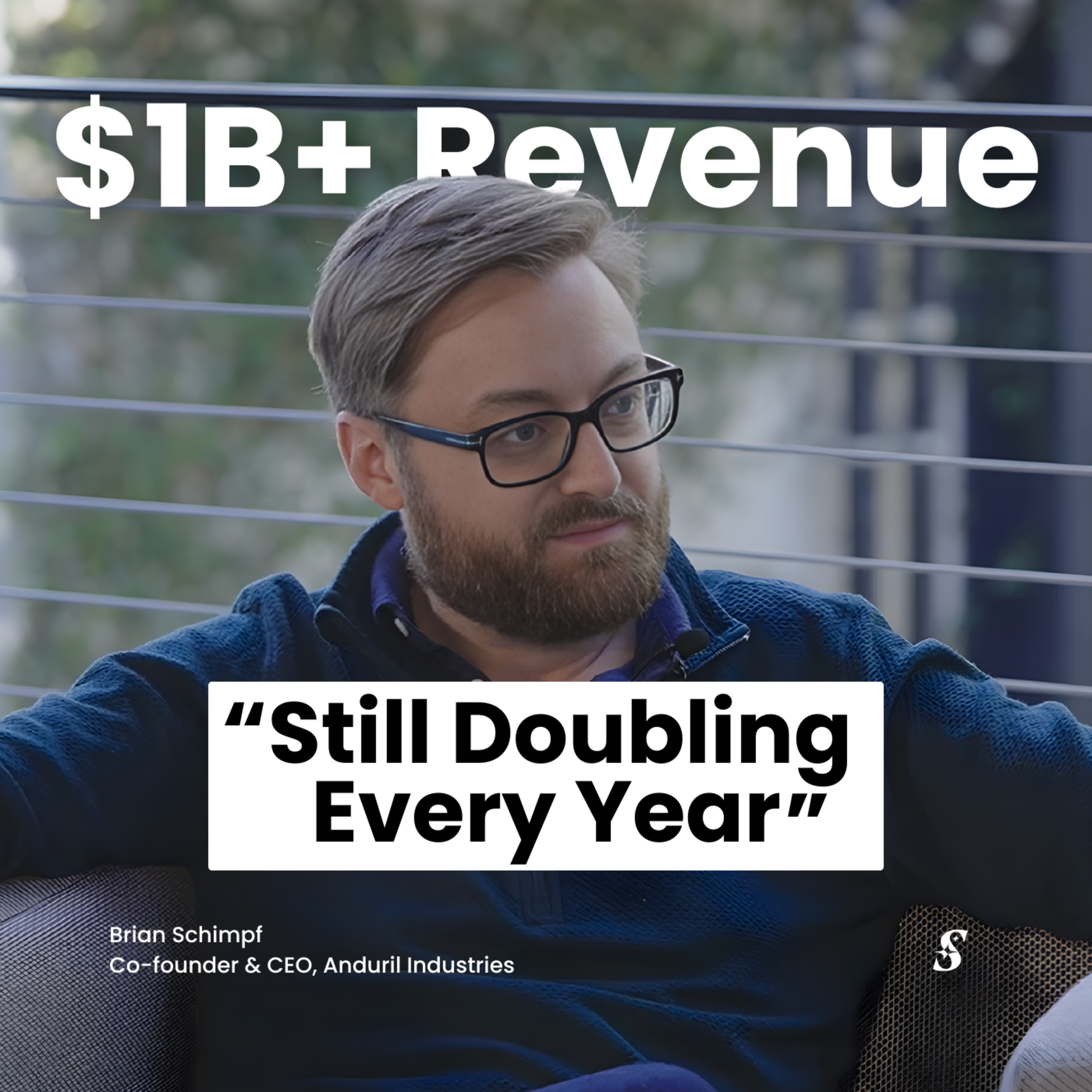
Anduril advocates for performance-based contracts, a controversial model in government where payment is contingent on the product working. This forces internal accountability and aligns their interests with the customer's, contrasting with traditional cost-plus models that place all risk on the government.
In government, digital services are often viewed as IT projects delivered by contractors. A CPO's primary challenge is instilling a culture of product thinking: focusing on customer value, business outcomes, user research, and KPIs, often starting from a point of zero.

Government agencies without in-house technical expertise are at the mercy of contractors who inflate costs. Hiring even one skilled software engineer provides the capacity to call a vendor's bluff, potentially saving millions by demonstrating that a requested "million-dollar fix" is actually a 30-minute task.
The U.S. Office of Personnel Management's outdated, paper-based retirement system highlights a major flaw in government procurement. The primary skill of incumbent vendors is navigating the contract acquisition process, creating a moat that protects them from competition despite delivering low-quality products.
