Get your free personalized podcast brief
We scan new podcasts and send you the top 5 insights daily.
Shoppers are approximately twice as likely to leave a brick-and-mortar bookstore with an unexpected purchase than if they had browsed online. The sensory experience and trusted recommendations from human booksellers create an environment for genuine discovery that algorithms, focused on past behavior, cannot replicate.

Related Insights
The absence of numbered aisles at Whole Foods is a deliberate customer experience strategy, not an oversight. It forces shoppers to ask employees for help, who are then trained to personally walk them to the item. This design choice engineers personal conversations and embeds a high-touch service model directly into the store's physical layout.

As buyers increasingly use AI as a research partner, the uniquely human aspects of a brand—trust, relationship, and service—become the most critical competitive advantage. When AI can compare features and pricing, the human experience is what will ultimately sway the decision.

Starbucks is doubling down on its physical stores, upgrading interiors with libraries and premium furniture. The strategy is based on the belief that macro trends—a backlash against screen time and the impersonal nature of AI—will amplify the human need for a "third place" for real-life connection.

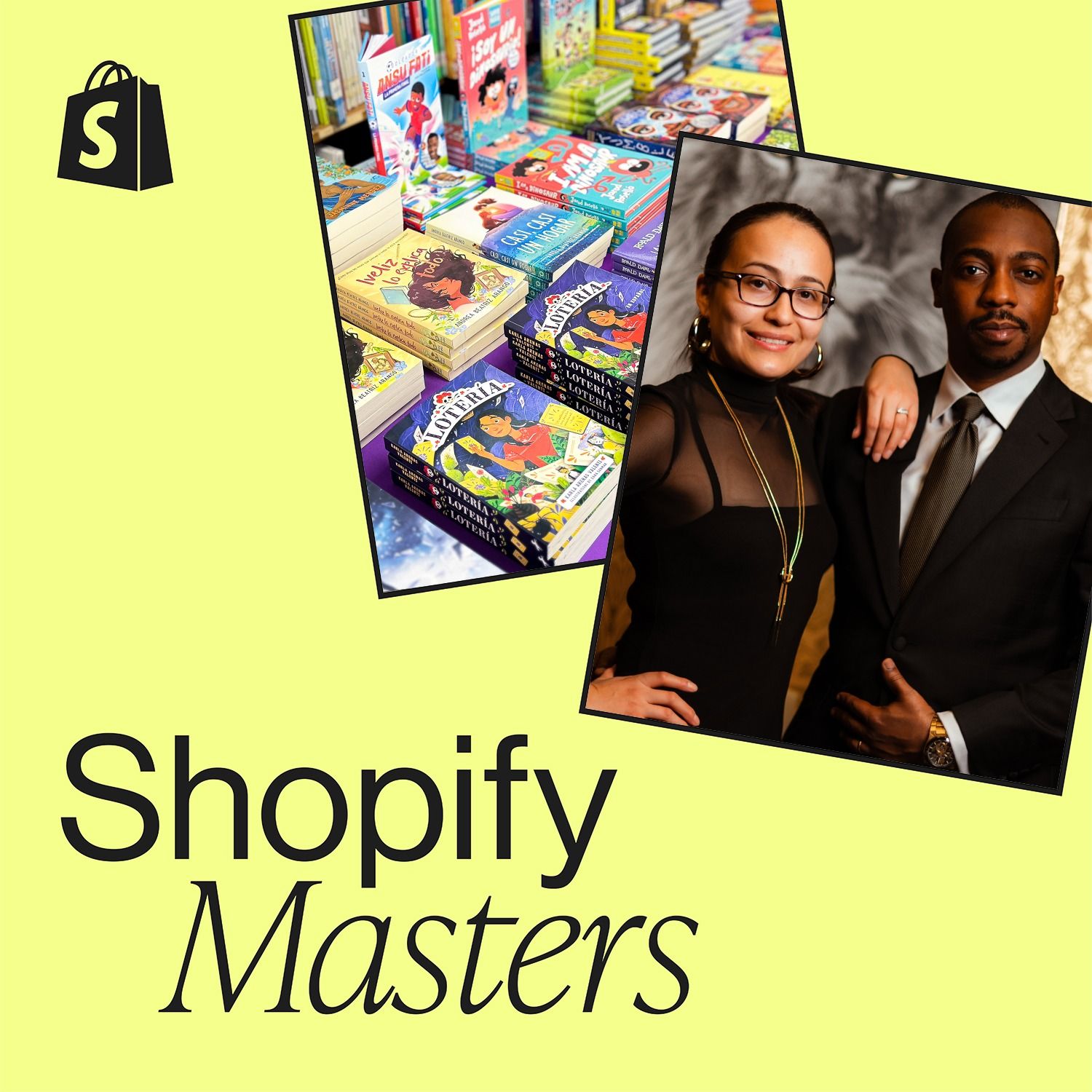
Miha Books' pivot to highly profitable school book fairs wasn't a strategic plan. It originated from a single PTA parent's suggestion while visiting their struggling brick-and-mortar store. This highlights how listening to customers can reveal a business's most lucrative opportunities.
In an era of infinite, AI-generated content, physical info products (like Alex Hormozi's printed playbooks) have surged in value. Their tangibility signals curation and substance, making customers more likely to pay a premium and actually engage with the material compared to a folder of PDFs.

The software practice of analyzing user clicks can be applied to any business. For retail, identify your top-spending customers and reverse-engineer their entire journey, from their first store visit to their big purchase. This helps find common patterns—like interacting with a specific employee—that can be replicated for all customers.

To create deep emotional connections and drive behavior, systematically engage customers' senses, especially smell. IKEA, a non-luxury brand, deliberately appeals to all five senses (e.g., smell of meatballs, touching fabrics) to drive impulse buys, proving this strategy works for any business.

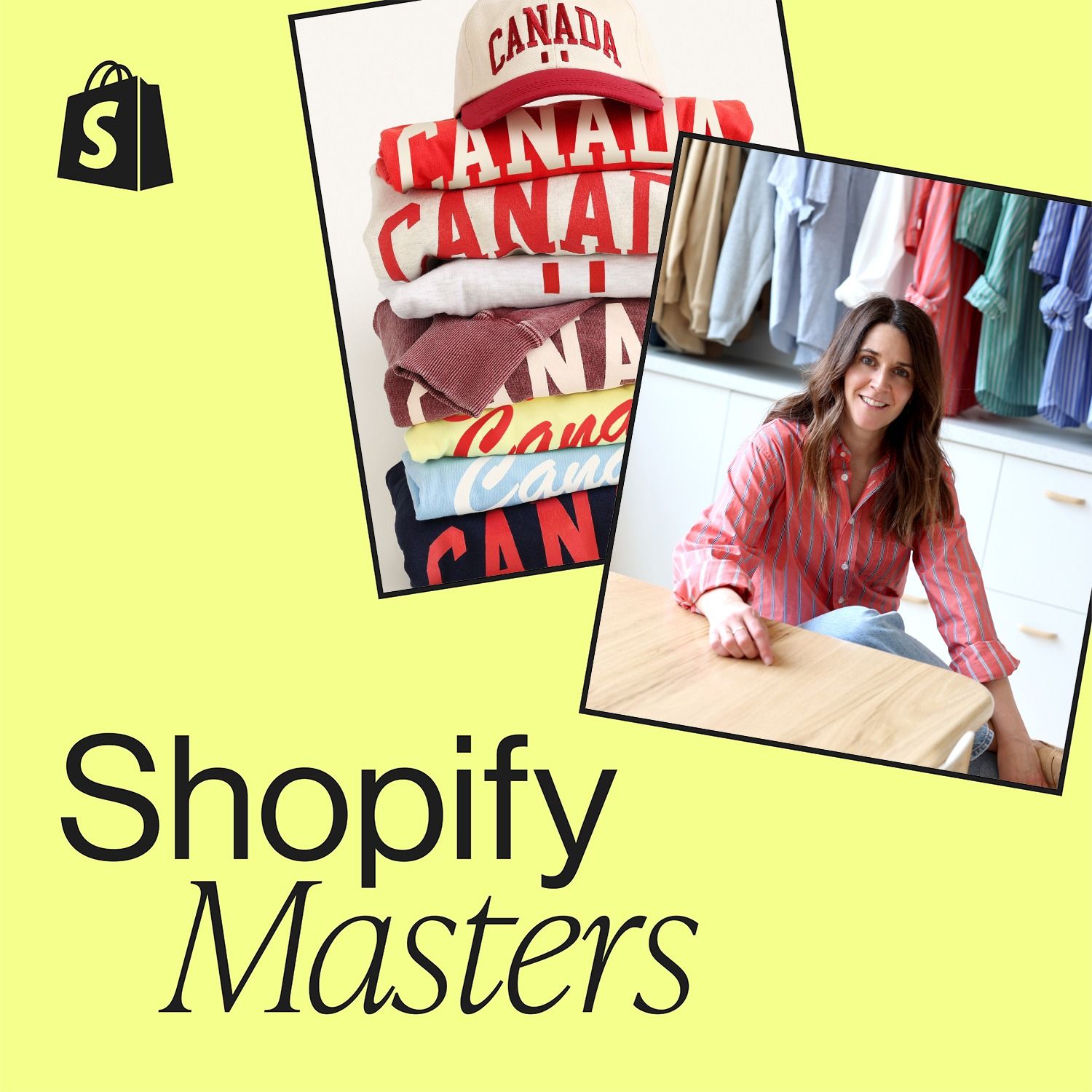
Province of Canada found their retail store didn't just add a new sales channel. It significantly boosted online orders in a radius around the location and solidified their status as a 'local business,' which was critical for surviving the pandemic through community support and curbside pickup.
A key fear of machine-to-machine commerce is that it will optimize solely for the lowest price. However, the 'human in the loop' model ensures the agent acts as a curator, presenting options for a final human decision. This preserves the importance of brand, aesthetics, and subjective value beyond pure cost.
In an era of online book sales, the decision window shrinks from minutes in a bookstore to seconds on a screen. A/B testing cover art directly with the target audience provides a significant statistical advantage, even if it challenges the publisher's or author's intuition about design.