Get your free personalized podcast brief
We scan new podcasts and send you the top 5 insights daily.
Regeneron Genetics Center's edge in AI drug discovery comes not just from its massive database, but from 14 years of interpreting high-quality, multimodal data (genomics linked to health records). This deep understanding is crucial for training reliable AI models and deriving accurate biological insights, a lesson for all life science data platforms.

Related Insights
The company's breakthrough potential comes not from collecting raw DNA, but from linking it at an individual level to a rich set of "phenotype" data, including proteomics, metabolomics, and transcriptomics. This deep, multi-layered dataset from novel populations is what unlocks actionable insights for drug discovery.
Acknowledging the "garbage in, garbage out" principle, Haya heavily invests in generating high-quality, layered, and paired multi-omic data from the same biological material. This curated input is considered the most critical component for building effective AI models to unlock new biology.
Unlike text-based LLMs where simply increasing parameter count works, Verge Labs found the biggest AI performance gains in biology come from scaling data modalities—adding new types of data like proteomics and imaging. Fusing different data sources is more critical than just making the model bigger.

The next inflection point will come from clever data generation strategies optimized for AI models, not human analysis. This "black box data" approach—like pooled screening with sequencing readouts—is vastly more scalable and creates a powerful, proprietary moat for companies.
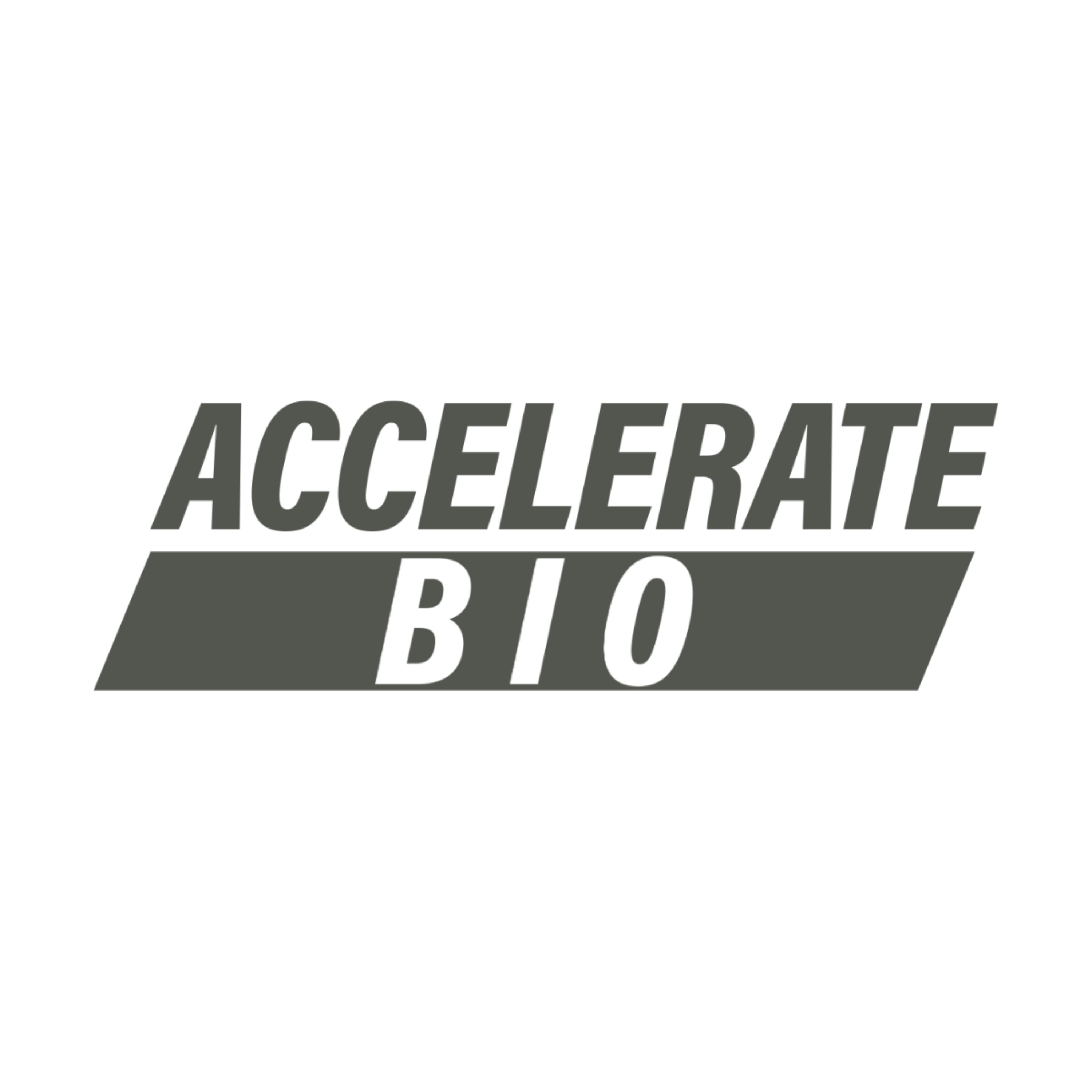
AI's potential in drug discovery is contingent on having a robust "data factory" to generate massive, high-quality biological datasets. Najat Khan emphasizes that the combination of this data infrastructure, AI, supercomputing, and human expertise is what creates a true competitive advantage, not the algorithm alone.
Regeneron's Genetics Center is a key competitive advantage, functioning as a discovery engine for new drug targets. By sequencing millions of patient genomes and linking them to health records, it allows Regeneron to identify novel genetic variants associated with diseases, feeding its antibody development pipeline with proprietary targets.

While public AI models are powerful, they risk becoming commodities when trained on the same public data. Regeneron's strategy is to create a durable advantage by training AI models on its unique dataset of millions of genomes, proteomes, and linked health records to deeply understand human biology.
The competitive advantage in pharma isn't the sophistication of an AI algorithm, which is often a commodity built on third-party models. The true differentiator is the quality, relevance, and end-to-end consistency of the proprietary data used to train and validate these models. Poor data invalidates even the best analytics.
Achieving explainability in AI for drug development isn't about post-hoc analysis. It requires building models from the ground up using inherently interpretable data like RNA sequencing and mutational profiles. When the inputs are explainable, the model's outputs become explainable by design.
The primary bottleneck in drug development isn't creating therapies but identifying the right targets. Regeneron built its massive genetics database to find rare, protective genetic mutations in humans, effectively de-risking the target identification process and aiming to improve the industry's low success rate.