Get your free personalized podcast brief
We scan new podcasts and send you the top 5 insights daily.
M.M.LaFleur founder Sarah LaFleur launched her blog, "The Em Dash," before her clothing line was available. This strategy builds an engaged audience around shared values and perspectives, creating a loyal community that is ready to buy when the product launches.

Related Insights
The "build it and they will come" mindset is a trap. Founders should treat marketing and brand-building not as a later-stage activity to be "turned on," but as a core muscle to be developed in parallel with the product from day one.
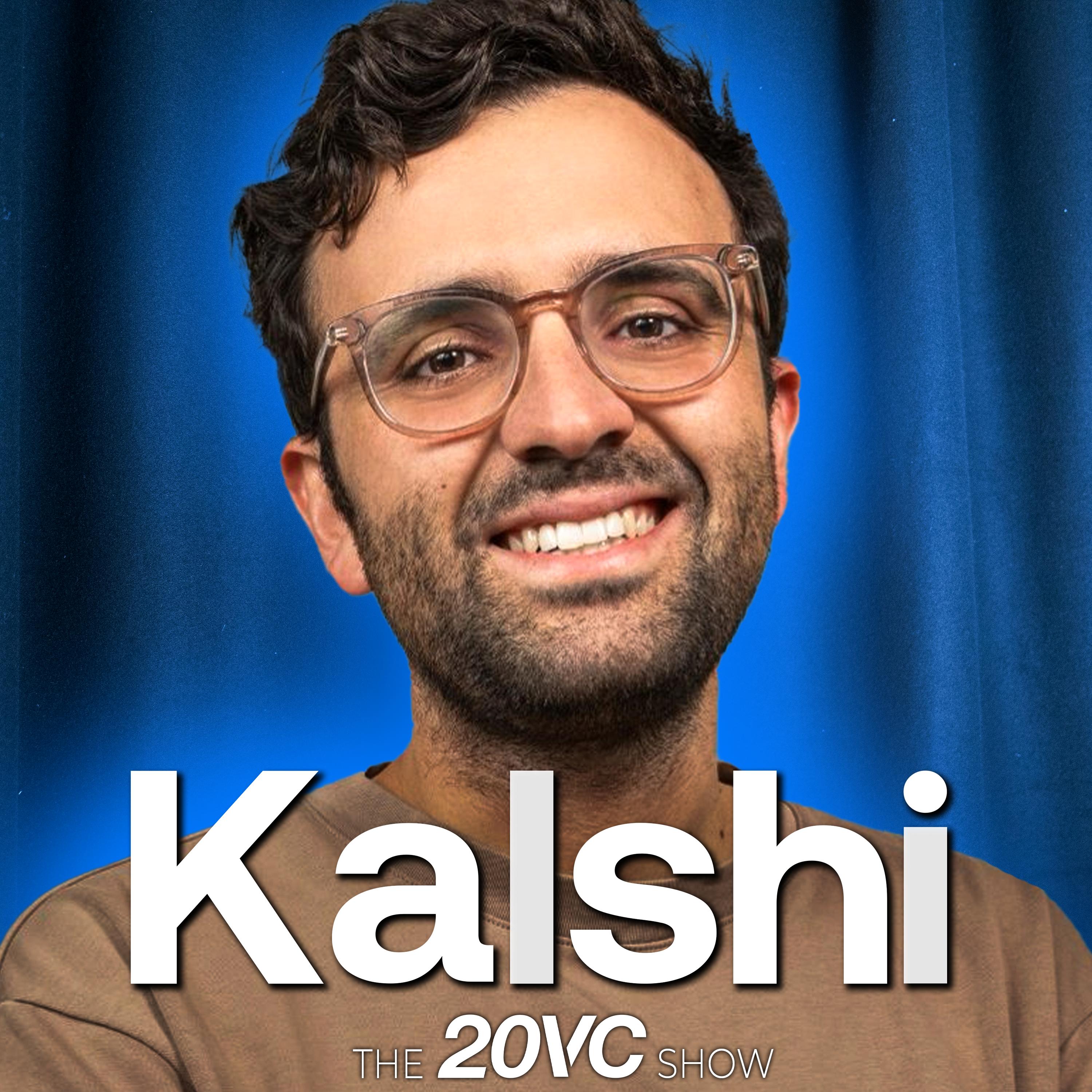
Reverse the traditional startup model by first building an audience with compelling content. Then, nurture that audience into a community. Finally, develop a product that solves the community's specific, identified needs. This framework significantly increases the probability of finding product-market fit.

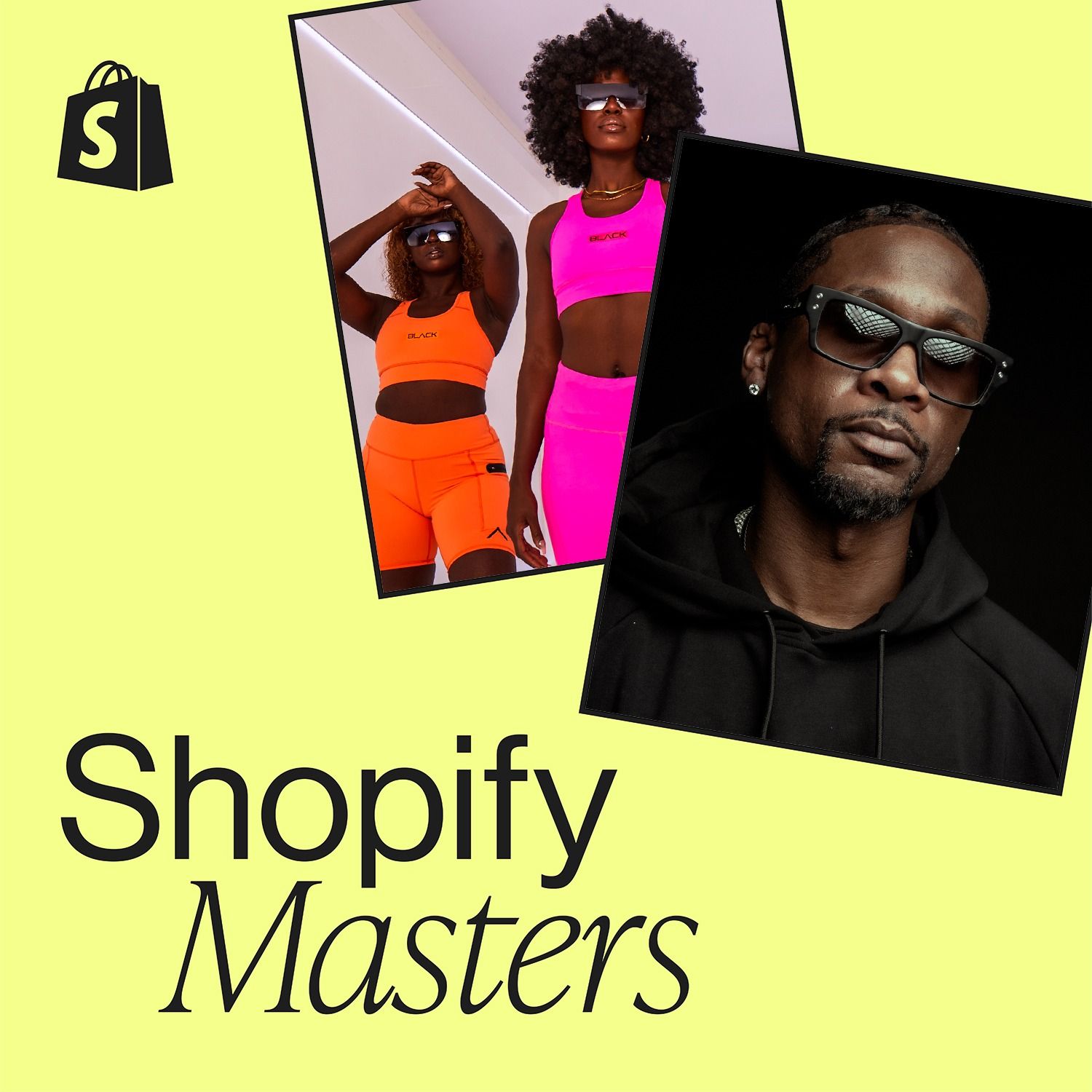
Instead of leading with a product, founder Lanny Smith focused on building a community around Actively Black's mission of Black ownership and representation. This generated a massive, engaged audience ready to buy on day one, reverse-engineering the typical product-first launch strategy.
A major celebrity brand launch succeeded by building a pre-signup list with a 14-day content blitz. Every day, a new piece of high-quality content was released from both the creator and the brand's own page. This collaborative strategy rapidly built trust and synergy, resulting in a 300-400k email list before launch day.

Don't wait for a finished product to start marketing. Building in public by sharing challenges, ideas, and progress acts as a continuous "soft launch." This approach gets your audience invested in your story, building authentic trust and anticipation for your official launch.

Meadow Lane created a line out the door on day one by meticulously documenting its entire 17-month founding journey on social media. This strategy, echoing Disney's playbook for Disneyland, builds a loyal community and peaks demand before the product even exists.

Stop viewing your content calendar and launch calendar as separate. Every podcast episode, blog post, or video—even those published half a year before a promotion—is an integral part of that launch. This long-term alignment builds the necessary trust for an eventual sale.

A powerful first move for a new brand is leveraging community-driven affiliate platforms. By getting the product into the hands of engaged creators in relevant communities, a brand can build authentic word-of-mouth and generate multi-million dollar revenue before ever investing in traditional CRM or paid media channels.
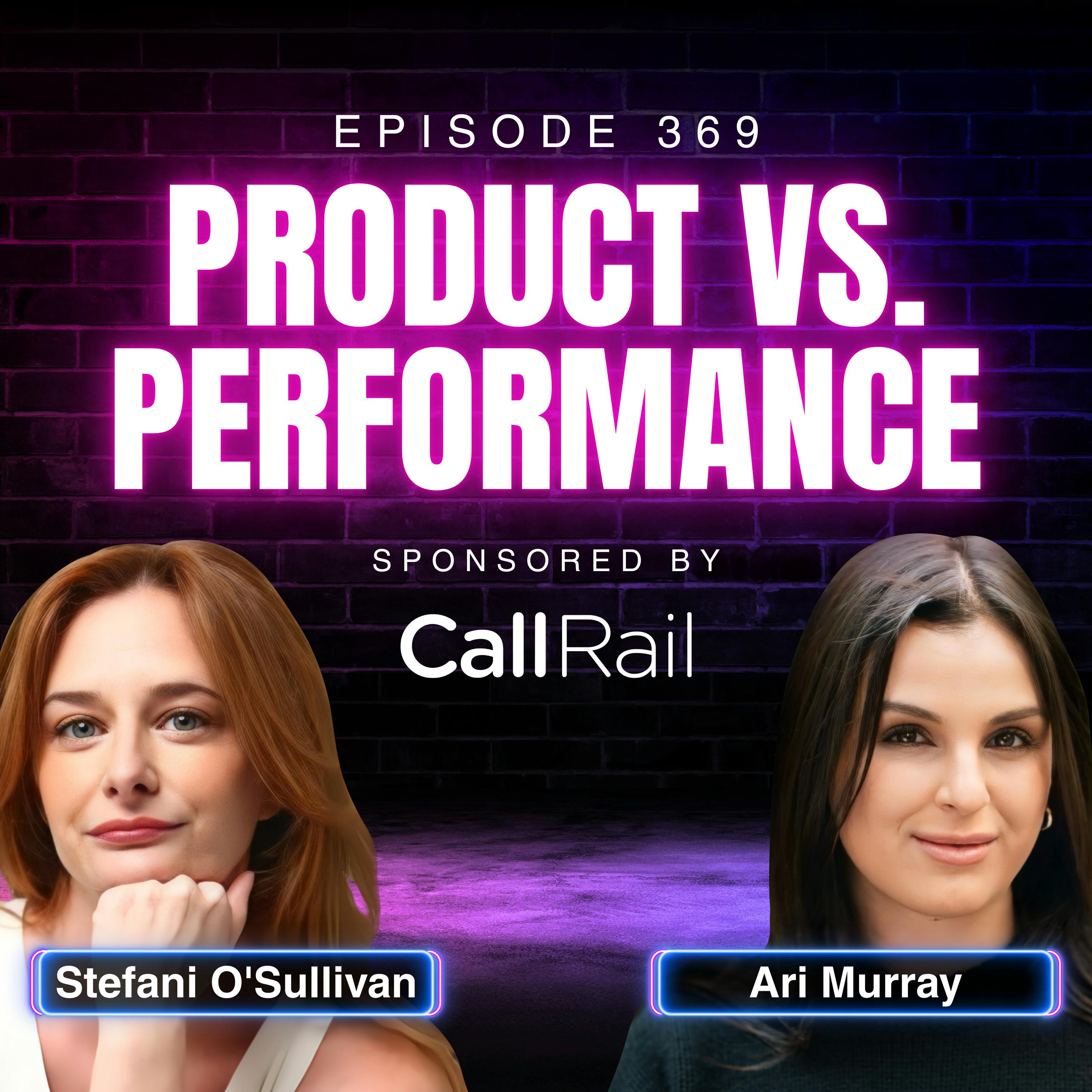
When launching a new venture, the act of documenting the process on social media can be more valuable than the business itself. This creates an engaged audience that becomes a long-term asset, allowing you to pivot or launch new products in the future.
In today's market, founders cannot afford to build a product and then seek an audience. The only durable competitive advantage is building a content engine first to capture free impressions and organic reach, then monetizing that pre-existing audience with a product or service.