Get your free personalized podcast brief
We scan new podcasts and send you the top 5 insights daily.
Harry Stebbings and Rory O'Driscoll point out that sky-high seed valuations cut allocations down to 300k to 500k checks. Meanwhile, massive late-stage platforms like SpaceX and Anthropic have expanded by trillions, causing late-stage capital gains to historically outstrip early-stage venture returns.

Related Insights
At the seed stage, if you're right about a truly exceptional company, the entry valuation hardly matters. Gokul cites a 200x return on an expensive seed deal. However, by Series B, a high price can crush your multiple, even if the company continues to perform well.
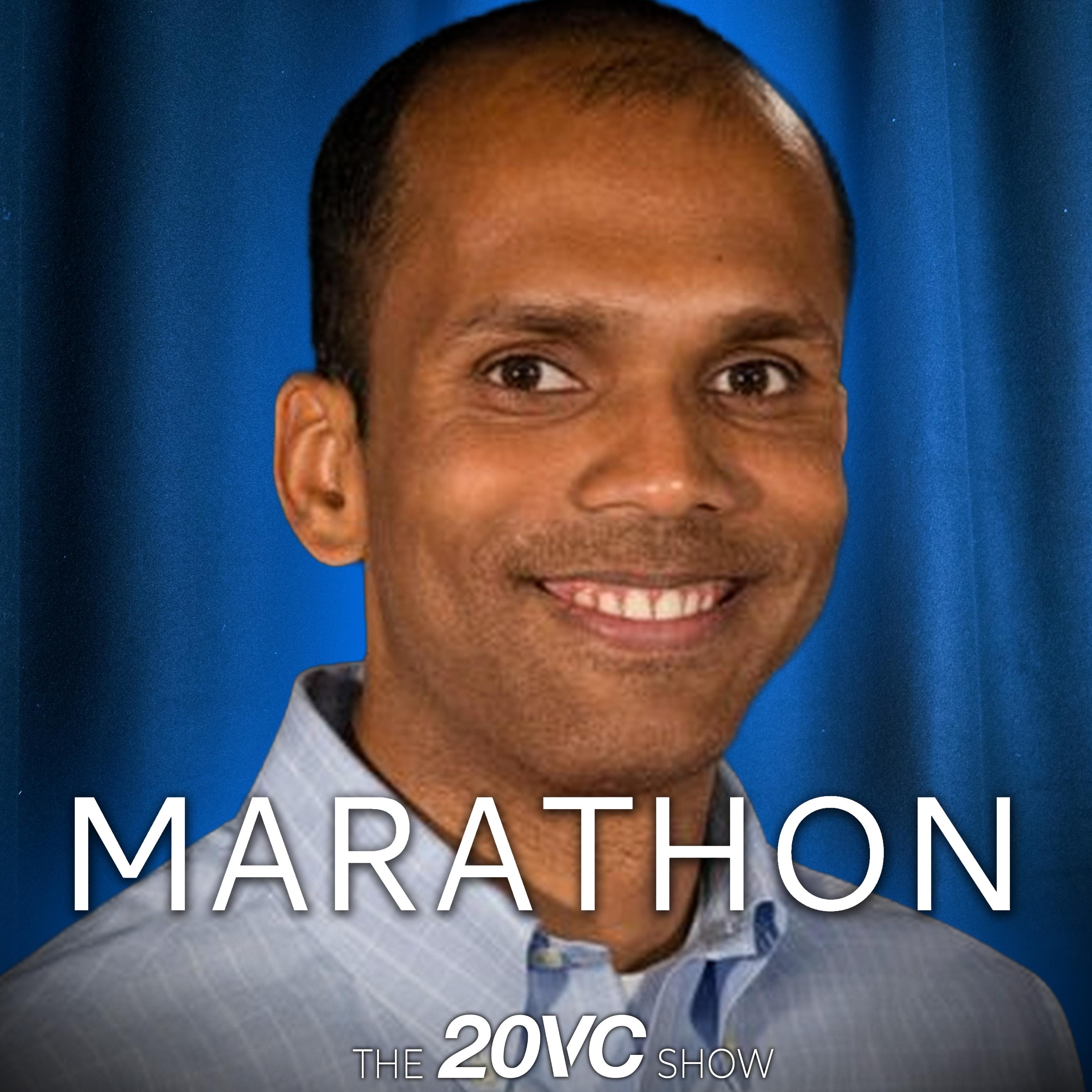
Large, multi-stage funds can pay any price for seed rounds because the check size is immaterial to their fund's success. They view seed investments not on their own return potential, but as an option to secure pro-rata rights in future, massive growth rounds.
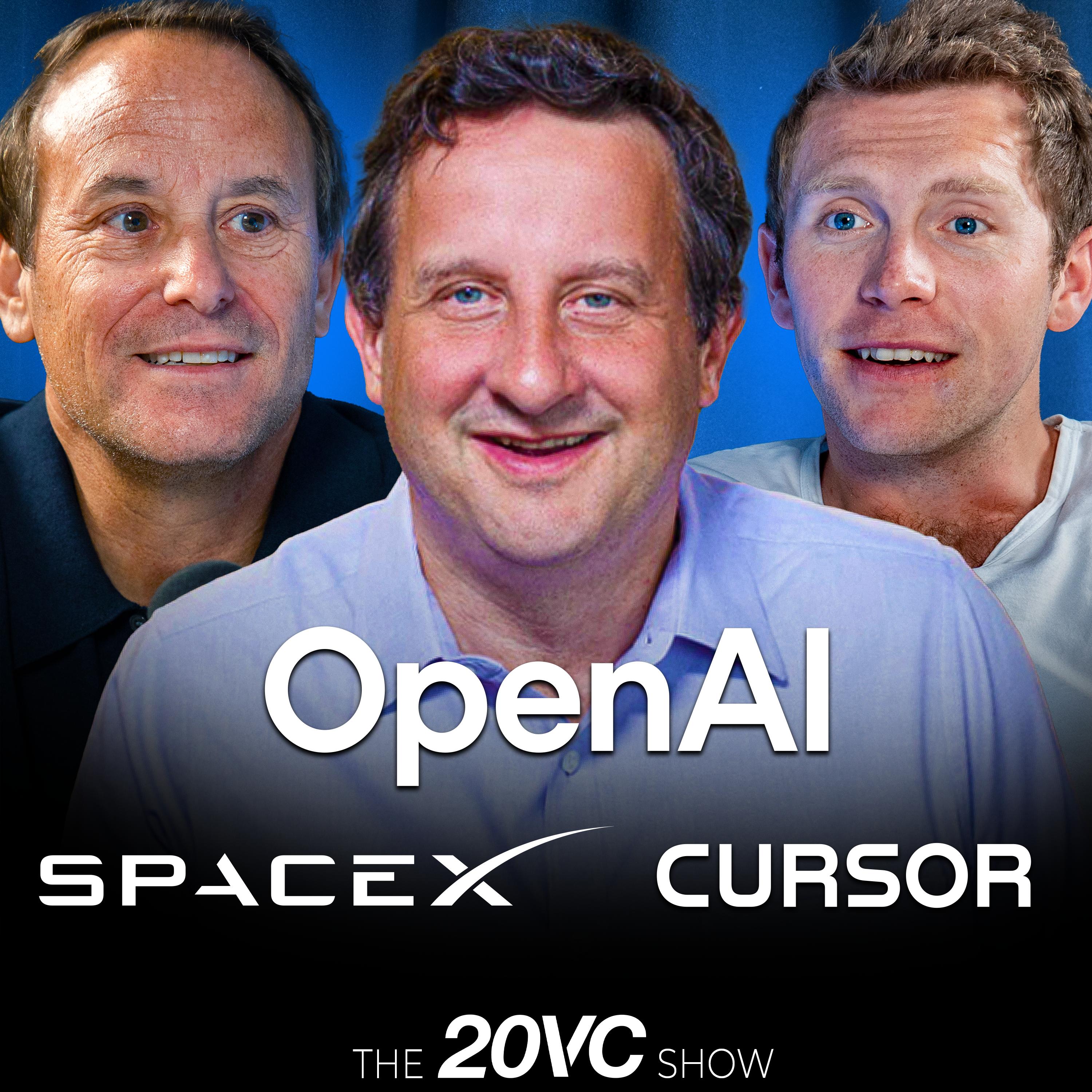
Poolside's $9B exit yielding a 'mere' 15x return reveals a new venture reality. With seed valuations soaring to implied $600M levels, even massive outcomes may not produce the 50-100x multiples required to carry a seed fund, fundamentally altering the risk/reward calculus.
Data shows the probability of a 10x return significantly increases once a company reaches a $100B 'centacorn' valuation (31% chance), versus just 8-13% for unicorns and decacorns. This contradicts the belief that the largest gains are only in early stages, highlighting a 'winner-take-all' compounding effect at massive scale.

The traditional VC model of decreasing returns at later stages is breaking. As companies stay private longer, they can have fundamental transformations (e.g., SpaceX's Starlink). This creates opportunities for late-stage investors to capture 'Series A-like' upside in mature companies, inverting the typical risk-reward curve.
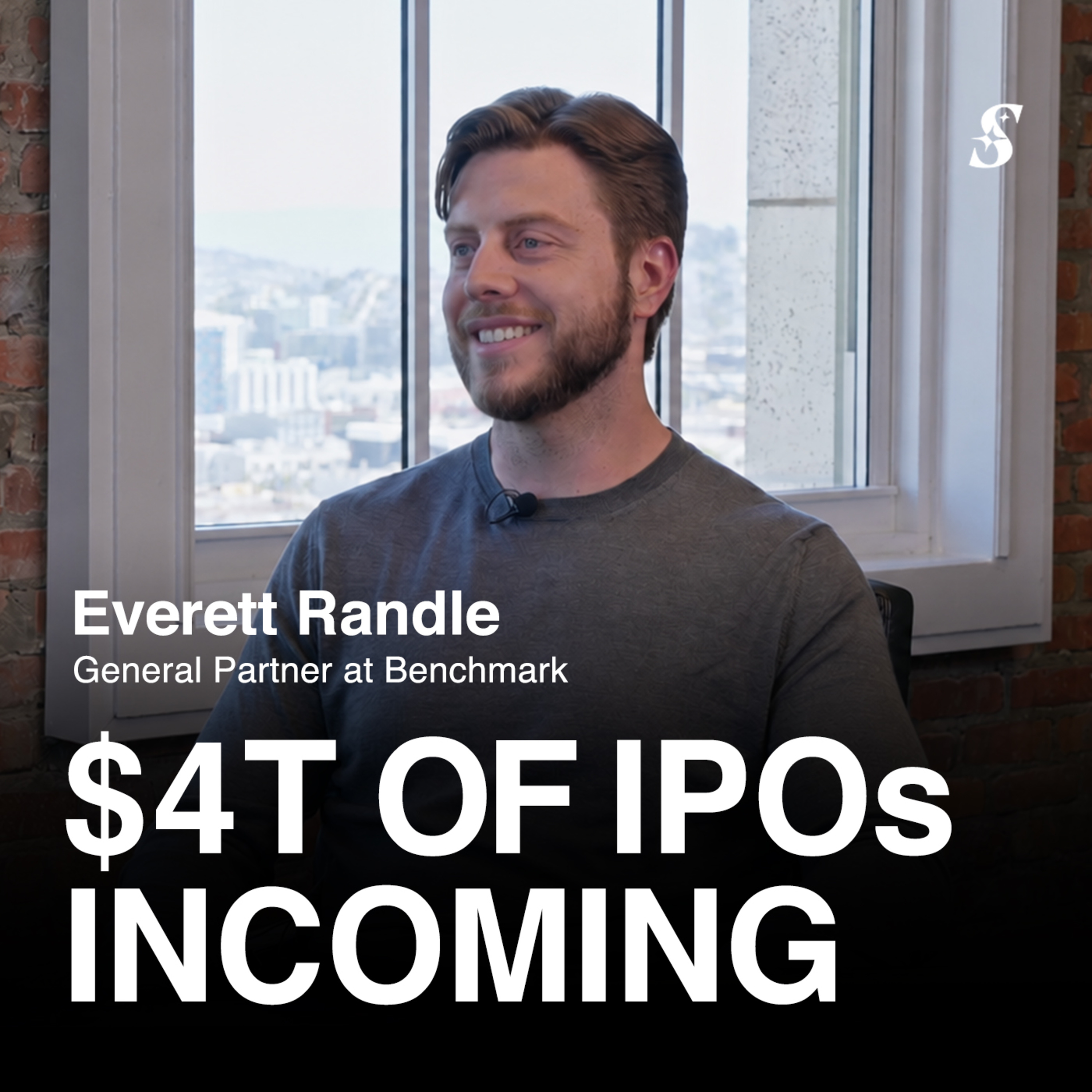
The standard VC heuristic—that each investment must potentially return the entire fund—is strained by hyper-valuations. For a company raising at ~$200M, a typical fund needs a 60x return, meaning a $12 billion exit is the minimum for the investment to be a success, not a grand slam.

When a high-volume seed investor like Jason Calacanis publicly shifts focus to growth, it reflects a broader market sentiment. The ease of deploying large checks into fast-growing, late-stage companies is making the long craft of seed investing less attractive.

Traditionally, venture investors sought high multiples (e.g., 100x) exclusively at the early stage. However, the sheer scale of modern tech outcomes has changed this. The opportunity for high-multiple returns now extends into later stages, allowing growth funds to pursue the same outlier returns previously confined to seed investing.

The venture capital return landscape is shifting. As companies achieve massive scale while remaining private, late-stage funds can generate top-quartile returns that match their early-stage counterparts. This challenges the long-held belief that the highest multiples are exclusive to seed and Series A investing.

Seed investing yields the highest returns in venture capital because it's the least efficient market. This allows investors to buy into future breakout companies at low, non-obvious prices before risk is removed and competition drives up valuations in later stages.
