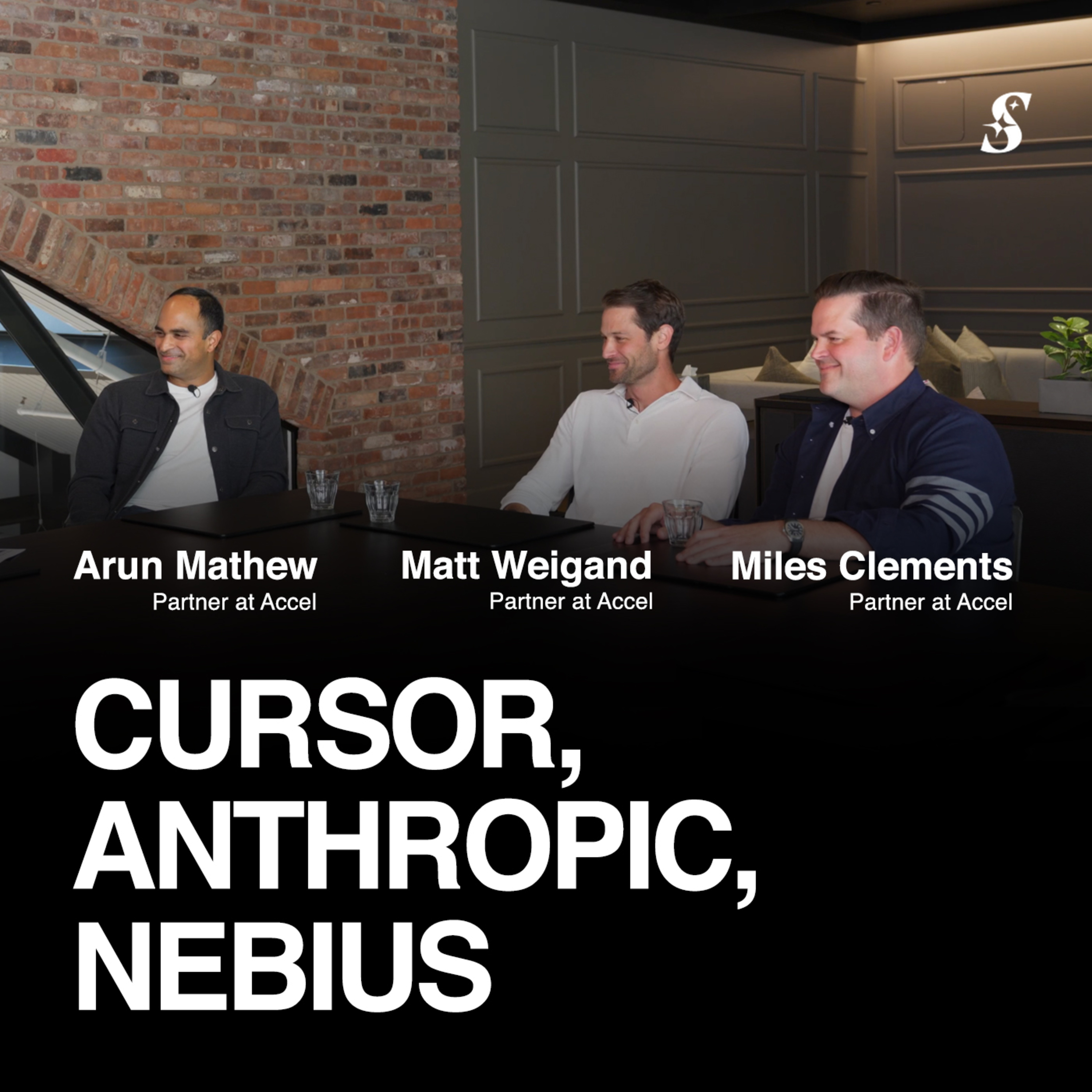
Accel investors operate as generalists but become "micro-prepared" for specific opportunities. This involves developing an outside-in viewpoint and a thesis on a company before the first meeting. This allows them to add immediate value and adapt quickly to new categories, which is crucial in a fast-moving market like AI.
Despite fears of runaway costs from "token maxing," enterprises are overwhelmingly encouraging more AI model consumption. A developer survey found 7x more companies were told to increase spending. The value gained from experimenting on AI's rapidly expanding capability frontier currently outweighs the push for cost optimization.
Accel maintains a low-profile, "silent partner" brand, winning deals through word-of-mouth recommendations from other founders rather than marketing. They view VC self-promotion on social media as "cringey," believing that focusing on being a good partner is the most effective long-term strategy.
The venture capital return landscape is shifting. As companies achieve massive scale while remaining private, late-stage funds can generate top-quartile returns that match their early-stage counterparts. This challenges the long-held belief that the highest multiples are exclusive to seed and Series A investing.
The scale of venture capital has fundamentally reset. Accel's first growth fund was $480M a decade ago; now, they might invest $500M or even $1B into a single company. This reflects the new reality where winners are expected to reach trillion-dollar valuations within a private hold period, requiring larger checks to maintain ownership.
Accel's growth fund invested in Facebook's later rounds after its early-stage fund led the Series A. This was considered "unnatural" at the time, as firms typically stuck to one investment stage. This move foreshadowed today's multi-stage fund strategies and a new understanding of mega-cap private company potential.
Accel's bet on Nebius, which owns its full stack from data centers to software, reveals a key insight: the AI era demands vertical integration for infrastructure. This was a non-obvious public market investment 16 months ago that yielded a 13x return, proving the market is capacity-constrained and control of the stack is paramount.
Accel identified a macro trend they call "agentic influence" by observing simultaneous, explosive growth in separate portfolio companies like Supabase and Linear. This cross-portfolio signal, driven by AI agents adopting new tools, gave them the conviction to aggressively invest in new ecosystem "choke points" like Lovable.
In the AI era, product distribution is shifting from Search Engine Optimization (SEO) to "AI Optimization." AI models recommend tools like Supabase not through paid placement but because they offer a superior developer experience, making ease-of-use a primary driver for go-to-market success in an agentic world.
True venture conviction is tested during downturns, not bull markets. Accel led security firm Scyera's Series B during a weak quarter, pre-AI boom, based purely on belief in the founder. This contrarian "lean-in" moment, when others might have pulled back, was critical to securing their position in a future category leader.