Get your free personalized podcast brief
We scan new podcasts and send you the top 5 insights daily.
Framing AI adoption as a human capital transformation rather than a technological one is a powerful strategic choice. Placing the AI department within the People/HR organization centers the effort on curiosity, upskilling, and culture, rather than just infrastructure.

Related Insights
Organizations that default to treating AI as an IT-led initiative risk failure. IT's focus is typically on security and risk mitigation, not growth and innovation. AI strategy must be owned by business leaders who can align its potential with customer needs, talent decisions, and overall company growth.

To get employees on board with AI, leaders must communicate a vision that focuses on augmentation, not replacement. However, this vision must be backed by tangible actions: mandating proficiency, visibly promoting AI adopters, and linking AI usage to compensation and rewards to drive real behavior change.

Effective AI implementation in HR isn't about buying the latest system. It's about first documenting core processes (e.g., hiring, benefits reconciliation) and then actively designing or seeking AI tools that solve specific problems within those workflows, moving from passive consumer to active designer.

The strategic narrative for AI integration is shifting from automation (replacement) to augmentation (collaboration). Augmentation positions AI as an assistant that enhances human skills, enabling teams to achieve outcomes that neither humans nor AI could accomplish independently. This fosters a more inclusive and productive environment.
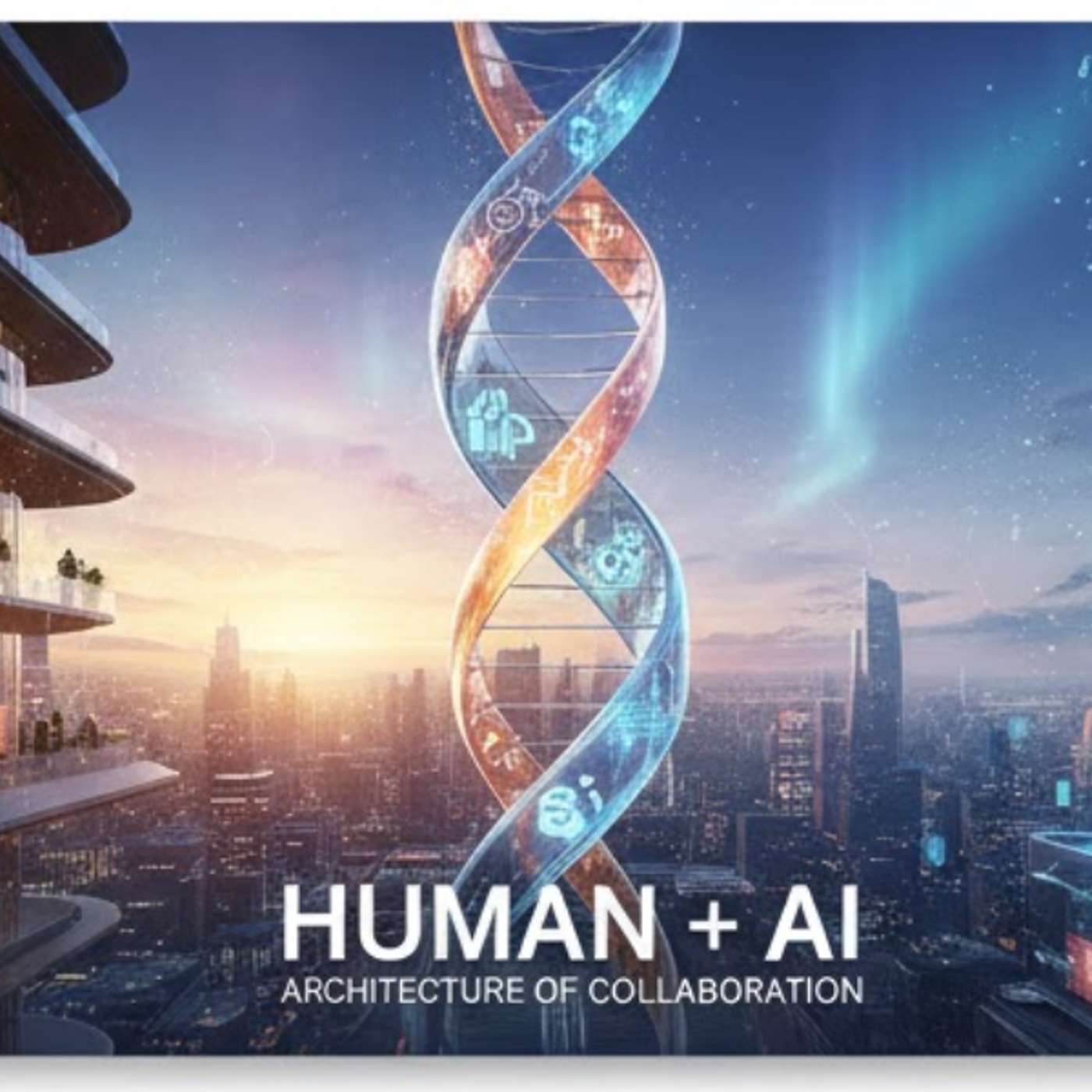
Successful AI integration is a change management challenge, not just a technical one. As AI automates routine tasks, organizations must strategically reinvest in their workforce by cultivating uniquely human skills like creativity, complex judgment, and nuanced problem-solving.

Housing AI strategy within IT is a critical error. The most valuable applications of AI are not technological but rather business innovations. The conversation must be led by business leaders asking what is now possible for customers and partners, with IT acting as an enabler, not the primary owner.

An ex-Amazon AI strategist advises pairing the CEO with the Chief People Officer to lead AI initiatives. This frames the transition as a change management and cultural challenge, ensuring the human element remains central to technology adoption and elevates the CPO's strategic role.

Instead of leading with automation that breeds fear, companies should prioritize AI use cases that remove tedious work and enhance employee capabilities. This pragmatic, human-centric approach builds trust and accelerates adoption more effectively than a pure ROI focus.

Framing AI adoption as an IT initiative is a critical mistake. IT's role is to ensure security and responsible use, but business leaders must own the transformation. This includes driving strategy, identifying use cases, reskilling talent, and managing the cultural shift.

AI's rapid evolution breaks traditional change management. Instead of top-down projects, identify employees naturally excited by this dynamism. Elevate these "culture carriers" to experiment, share successes, and help peers adapt, making transformation a continuous, peer-led process.
