Get your free personalized podcast brief
We scan new podcasts and send you the top 5 insights daily.
To handle the influx of contributions to his OpenOats project, creator Yazeen Alirahim built "Auto Maintainer," an AI bot powered by Claude. This bot autonomously manages the GitHub repository by researching bugs, responding to issues, creating pull requests, merging code, and deploying fixes, escalating only high-risk issues to him.

Related Insights
An AI agent monitors a support inbox, identifies a bug report, cross-references it with the GitHub codebase to find the issue, suggests probable causes, and then passes the task to another AI to write the fix. This automates the entire debugging lifecycle.
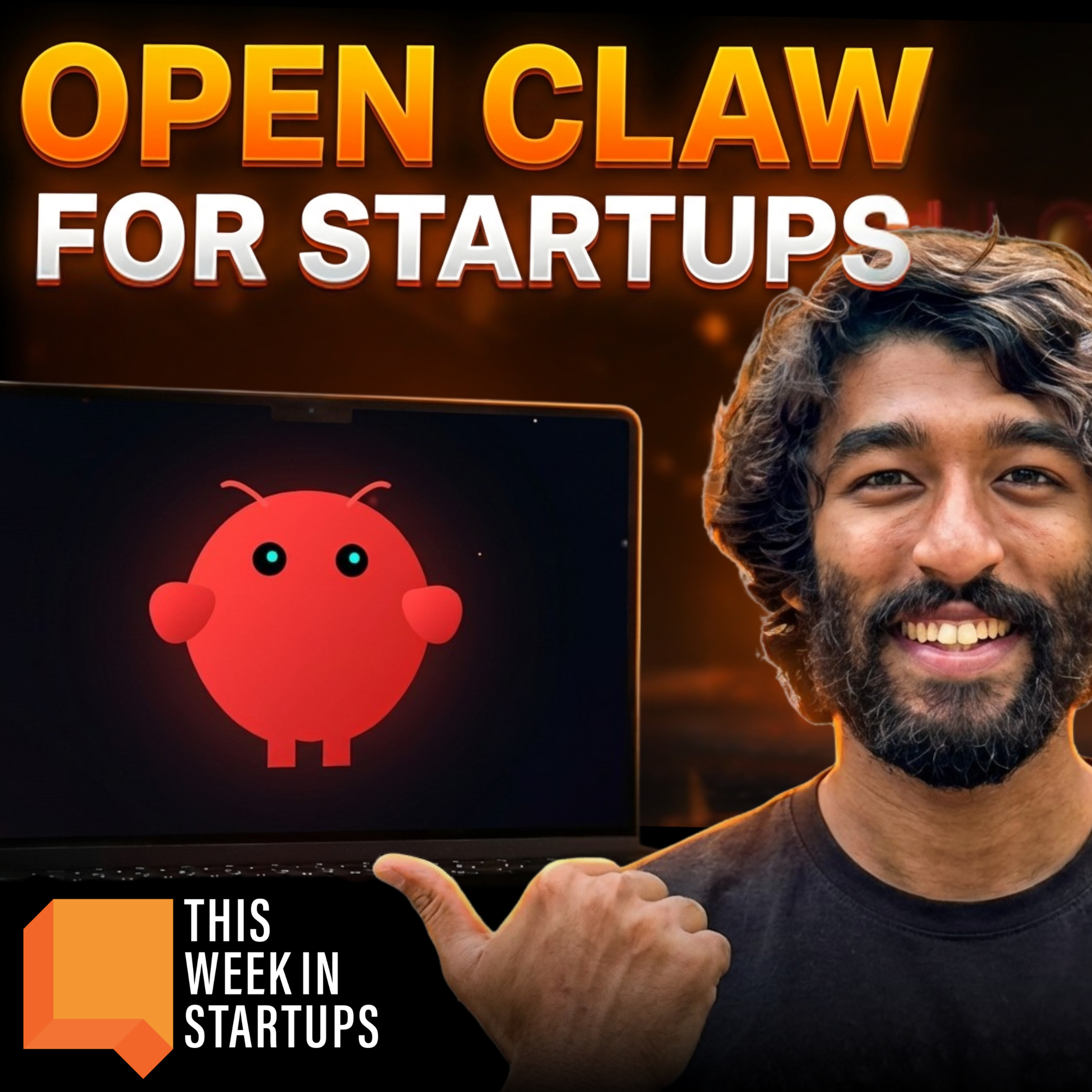
Peter Steinberger's AI, OpenClaw, saw a screenshot of a tweet reporting a bug, understood the context, accessed the git repository, fixed the code, committed the change, and replied to the user on Twitter, all without human intervention.

Go beyond static AI code analysis. After an AI like Codex automatically flags a high-confidence issue in a GitHub pull request, developers can reply directly in a comment, "Hey, Codex, can you fix it?" The agent will then attempt to fix the issue it found.
Claude Code can take a high-level goal, ask clarifying questions, and then independently work for over an hour to generate code and deploy a working website. This signals a shift from AI as a simple tool to AI as an autonomous agent capable of complex, multi-step projects.

Solo developers can integrate AI tools like BugBot with GitHub to automatically review pull requests. These specialized AIs are trained to find security vulnerabilities and bugs that a solo builder might miss, providing a crucial safety net and peace of mind.

The team leverages Codex's automation for advanced dev workflows. This includes keeping pull requests mergeable by automatically resolving conflicts and fixing build issues, and running scheduled jobs to find and fix subtle, latent bugs in random files.

Technical executives who stopped coding due to time constraints and the cognitive overhead of modern frameworks are now actively contributing to their codebases again. AI agents handle the boilerplate and syntax, allowing them to focus on logic and product features, often working asynchronously between meetings.

Spotify has shifted from AI as a developer 'copilot' to AI as the primary coder for senior staff. Top developers now provide natural language instructions for bug fixes or features via Slack during their commute, with an internal platform autonomously writing, validating, and deploying the code to production. This marks a profound change in the software development lifecycle.

Felix Rieseberg describes a workflow where he tells a primary Cowork agent to analyze a list of bug reports. This agent then generates specific prompts for each fixable bug and uses "Claude Code remote" to spin up separate, parallel agent instances to execute those fixes.
AI is evolving from a coding tool to a proactive product contributor. Claude analyzes user feedback, bug reports, and telemetry to autonomously suggest bug fixes and new features, acting more like a product-aware coworker than a simple code generator.