Get your free personalized podcast brief
We scan new podcasts and send you the top 5 insights daily.
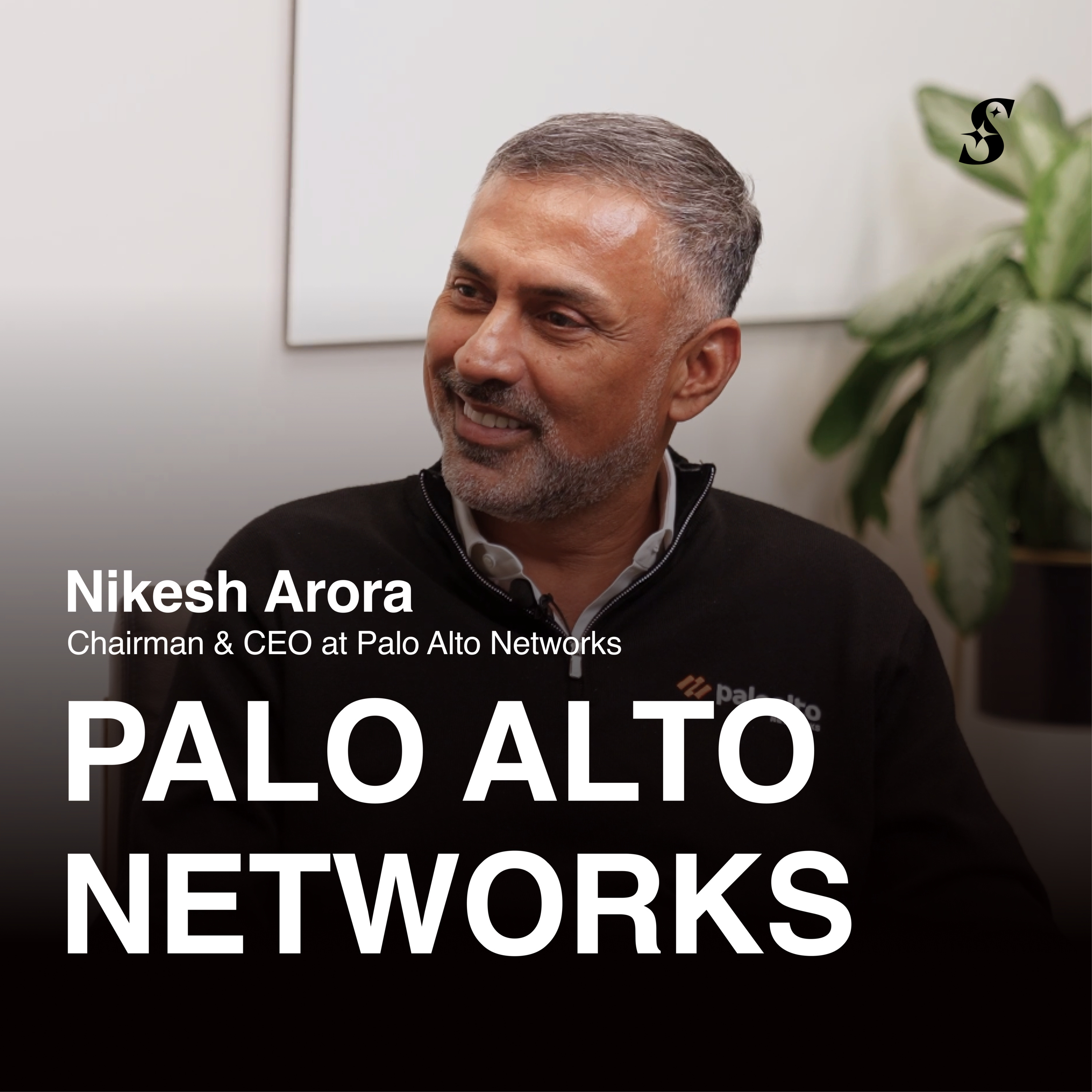
Nikesh Arora uses LinkedIn as a primary recruiting tool, not just for outreach but for deep vetting. By analyzing a candidate's posts over several years, he gets an unfiltered view of their thinking and personality, which he finds more revealing than a polished 30-minute interview.
Related Insights
Recruiters are starting to vet candidates like they would an influencer, assessing social media presence and personal brand as key assets. Companies will increasingly hire people not just for their skills but for their potential as brand promoters.

Instead of treating a resume as a list of facts, frame interviews around the story it tells. Ask "why" behind each job change and project choice to understand the candidate's motivations, self-awareness, and decision-making process. This reveals far more than a list of skills and accomplishments.

Exceptional individuals often publish their thoughts online. By reading their content, you can assess their thinking, expertise, and confluence of ideas, making a traditional interview redundant. This allows you to move decisively when you find a match, as when the speaker hired his Opendoor cofounder on the spot.
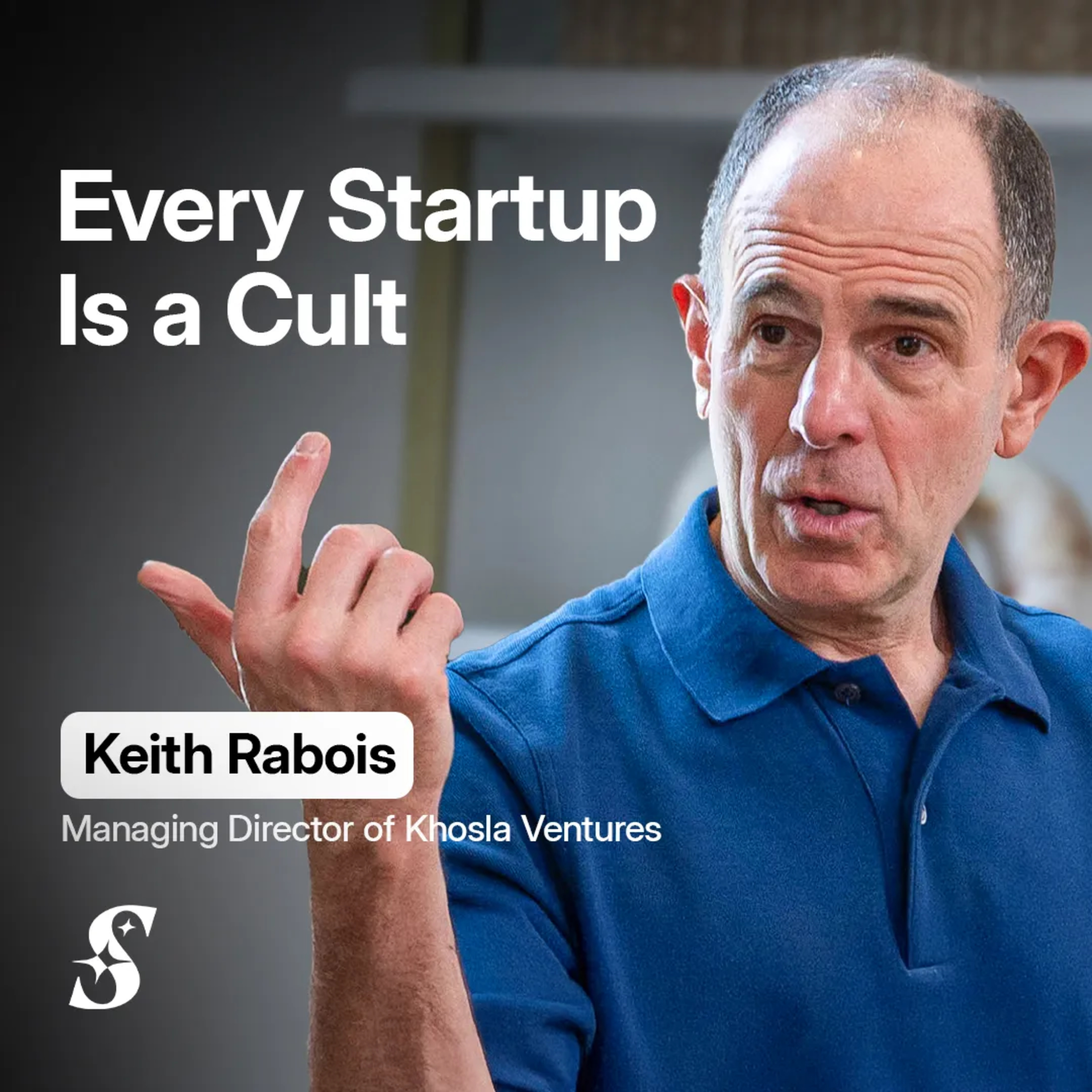
Steve Klinsky interviews for long-term potential by asking candidates what they read and who they admire. This reveals their intellectual curiosity and value system, traits he considers more predictive of future leadership success than the technical skills already vetted by his team.

To assess a leader's ability to spot talent, Zipline asks about their past hires and looks them up on LinkedIn. A powerful positive signal is if the candidate's former reports have achieved massive success themselves, such as getting promoted five times and now leading a 5,000-person division.

Marketing leaders can significantly increase recruiting success by personally messaging high-value candidates on LinkedIn. A direct message from a hiring manager like a CMO has a much higher response rate than outreach from a recruiter, signaling the role's importance and providing a direct line to leadership.

To find a Chief Scientific Officer with a rare combination of skills, EARLI's CEO used LinkedIn search. He combined terms like "gene therapy," "venture," and "FDA experience" to narrow the global candidate pool to about 25 people, proving precise digital sourcing can outperform traditional networking for highly specialized roles.

Instead of a traditional interview, Parker Conrad sends candidates his investor materials beforehand. The first meeting is dedicated to their questions. He finds that the quality, depth, and skepticism of their questions is the best predictor of success, as it simulates the actual working relationship.

Veteran engineering recruiter Larry Copponi advises candidates that recruiters use LinkedIn more than ever to find talent. He believes resumes may eventually become obsolete, making a robust, well-maintained LinkedIn profile essential for any professional's job search toolkit.

Senior executives are, by definition, excellent at interviewing, making the process unreliable for signal. Instead of relying on a polished performance, ask to see the 360-degree performance reviews from their previous company. This provides a more honest, ground-truth assessment of their strengths and weaknesses.
