Get your free personalized podcast brief
We scan new podcasts and send you the top 5 insights daily.
Adam's team discovered their internal, general-purpose agent (built for tasks like PR management) produced better CAD models than their highly specialized, domain-specific AI. This suggests that a more generally powerful AI with basic primitives can outperform a narrowly focused one.

Related Insights
Even a specialized task like coding involves a wide range of human-like interaction: brainstorming, searching, and more. This "AGI-completeness" means a powerful general model with a good "bedside manner" can outperform a narrowly specialized one, complicating the strategy for vertical AI apps.

Specialized coding models often fail because a developer's workflow isn't just writing code; it's a complex conversation involving brainstorming, compliance, and web research. The best coding assistants are the most generalist models because every complex task has AGI-like qualities.
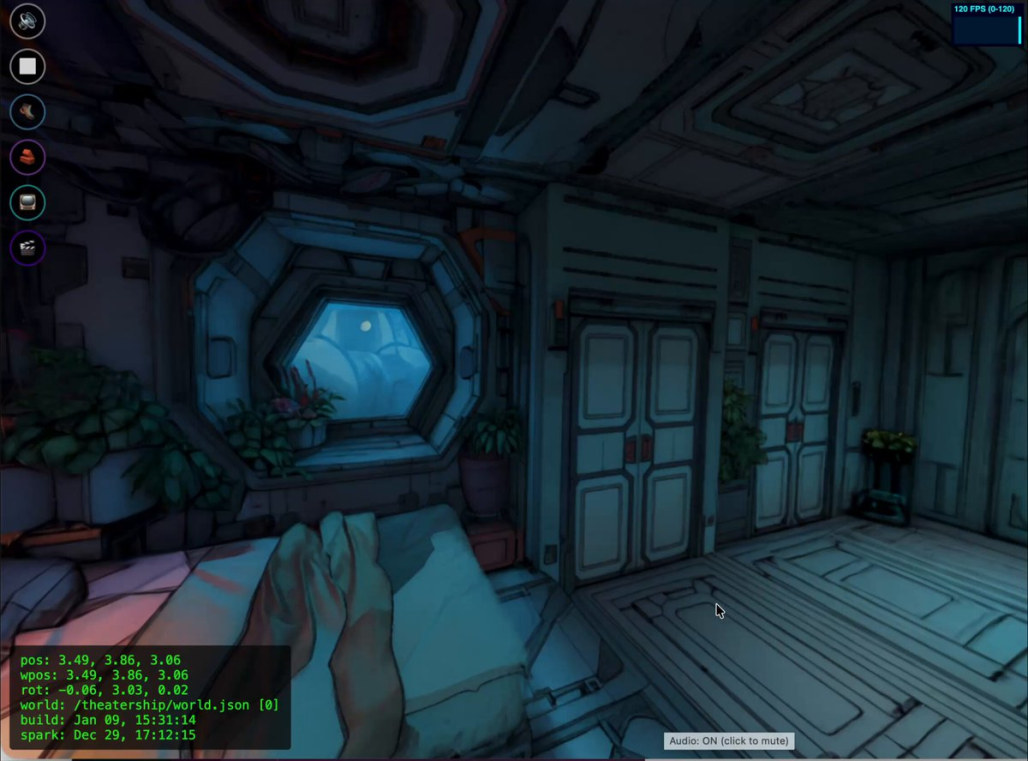
The path to a general-purpose AI model is not to tackle the entire problem at once. A more effective strategy is to start with a highly constrained domain, like generating only Minecraft videos. Once the model works reliably in that narrow distribution, incrementally expand the training data and complexity, using each step as a foundation for the next.

While previously underwhelming, the latest generation of AI models are now surprisingly effective at highly specialized, low-level coding tasks such as writing GPU shaders. This shows that the "bitter lesson"—that general models scaling beats specialized approaches—applies even in embedded and systems programming.

The industry was surprised to learn that the tool-calling and problem-solving DNA of coding agents provides the necessary foundation for general-purpose agents. This was not the anticipated route to AGI, which labs hadn't explicitly trained for, yet it has become the dominant and most promising approach.

Specialized models like Cursor's Composer 2 can achieve short-term dominance over general frontier models by hyper-focusing on a specific domain like coding. This 'hill climbing' strategy allows them to beat larger models on cost-performance, even if general models are predicted to win long-term.

Contrary to the trend toward multi-agent systems, Tasklet finds that one powerful agent with access to all context and tools is superior for a single user's goals. Splitting tasks among specialized agents is less effective than giving one generalist agent all information, as foundation models are already experts at everything.

Just as neural networks replaced hand-crafted features, large generalist models are replacing narrow, task-specific ones. Jeff Dean notes the era of unified models is "really upon us." A single, large model that can generalize across domains like math and language is proving more powerful than bespoke solutions for each, a modern take on the "bitter lesson."
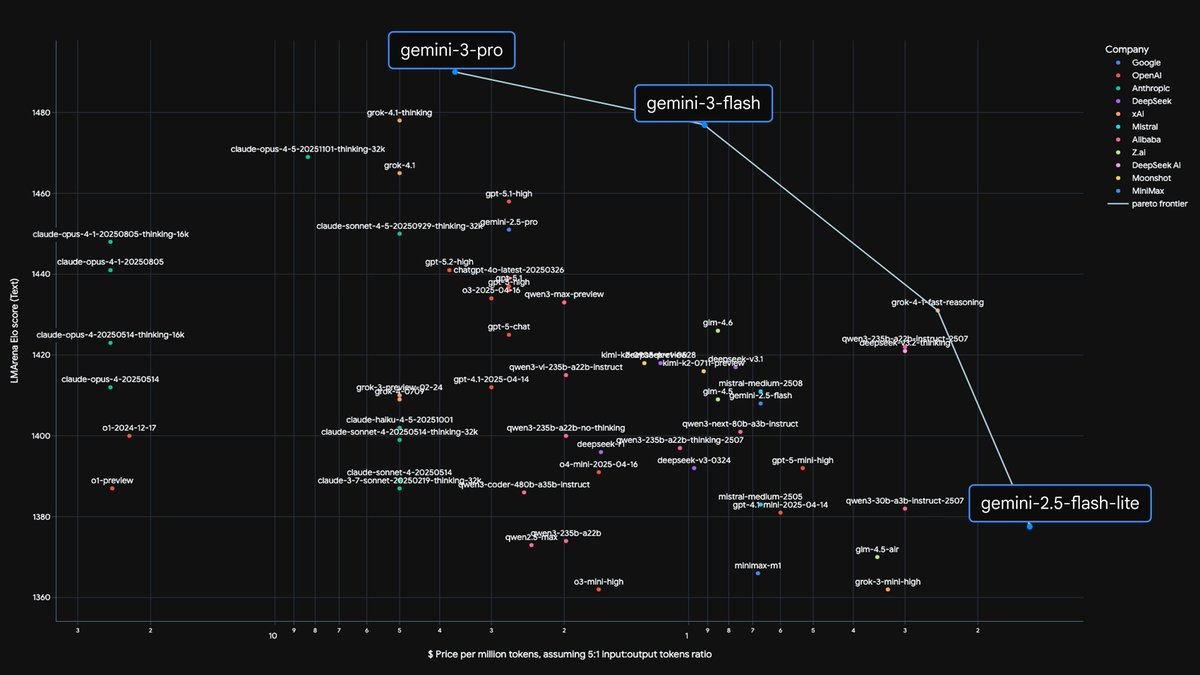
The latest models from Anthropic and OpenAI show a convergence in capabilities. The distinction between a "coding model" and a "general knowledge model" is blurring because the core skills for advanced software development—like planning and tool use—are the same skills needed to excel at any complex knowledge work.

Powerful AI tools are becoming aggregators like Manus, which intelligently select the best underlying model for a specific task—research, data visualization, or coding. This multi-model approach enables a seamless workflow within a single thread, outperforming systems reliant on one general-purpose model.
