Get your free personalized podcast brief
We scan new podcasts and send you the top 5 insights daily.
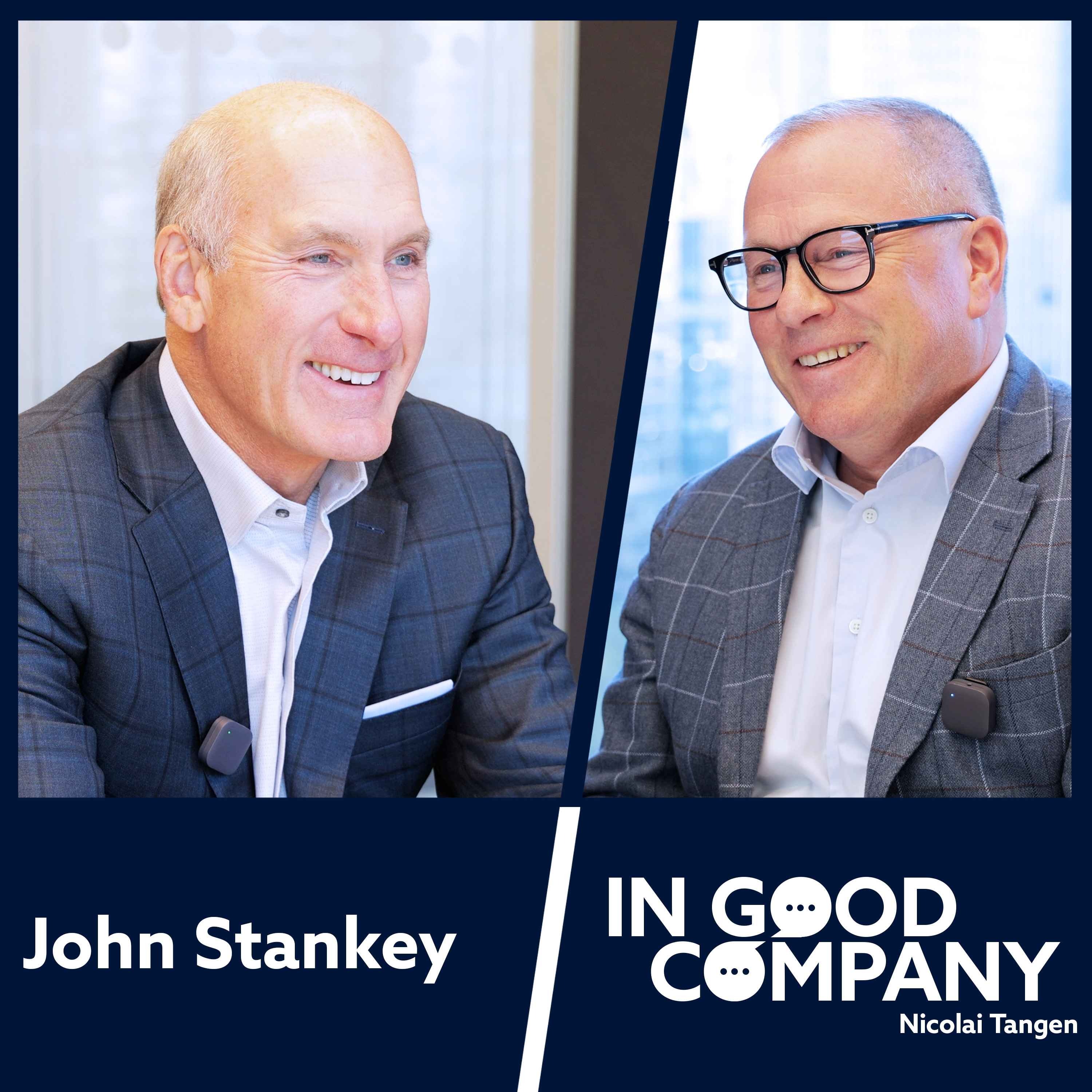
AT&T's CEO reframes the network debate, stating that fiber is the universal backbone. Technologies like 5G and satellite are simply different methods for connecting end-users to this core fiber infrastructure, not true competitors to it.
Related Insights
By owning both the launch capability (SpaceX) and the network (Starlink), Musk could exert ultimate control over internet infrastructure. This creates a scenario where he could deny network access to rivals, like OpenAI, representing a powerful and unprecedented form of vertical integration.

The next wave of space companies is moving away from the vertically integrated "SpaceX model" where everything is built in-house. Instead, a new ecosystem is emerging where companies specialize in specific parts of the stack, such as satellite buses or ground stations. This unbundling creates efficiency and lowers barriers to entry for new players.

Direct AI disruption is a minimal concern for telecom companies. The more significant threat comes from hyperscalers like AWS and Azure, which already dominate Europe's B2B cloud market with an 85% share. The real risk is these giants leveraging their cloud infrastructure to enter the B2C telecom space via virtualized networks.

The proliferation of sensors, especially cameras, will generate massive amounts of video data. This data must be uploaded to cloud AI models for processing, making robust upstream bandwidth—not just downstream—the critical new infrastructure bottleneck and a significant opportunity for telecom companies.

Unlike 4G/5G revolutions driven by consumer video, 6G will be defined by its utility for enterprise AI applications. Key advancements will be in managing network performance, reducing latency, and adding security layers crucial for business, rather than just increasing consumer bandwidth.
AT&T's CEO frames cybersecurity not as a technical problem but a geopolitical one. For-profit companies are pitted against nation-state actors who have unlimited resources and are not constrained by financial performance, creating a fundamentally asymmetric conflict.
Unlike the speculative "dark fiber" buildout of the dot-com bubble, today's AI infrastructure race is driven by real, immediate, and overwhelming demand. The problem isn't a lack of utilization for built capacity; it's a constant struggle to build supply fast enough to meet customer needs.
The speaker refutes investor John Malone's claim that Charter's stock decline is due to capex intensity. He argues the real issue is fundamental business decay: customer losses to fiber and fixed wireless, declining returns on capital, and a core product that is losing its competitive edge.

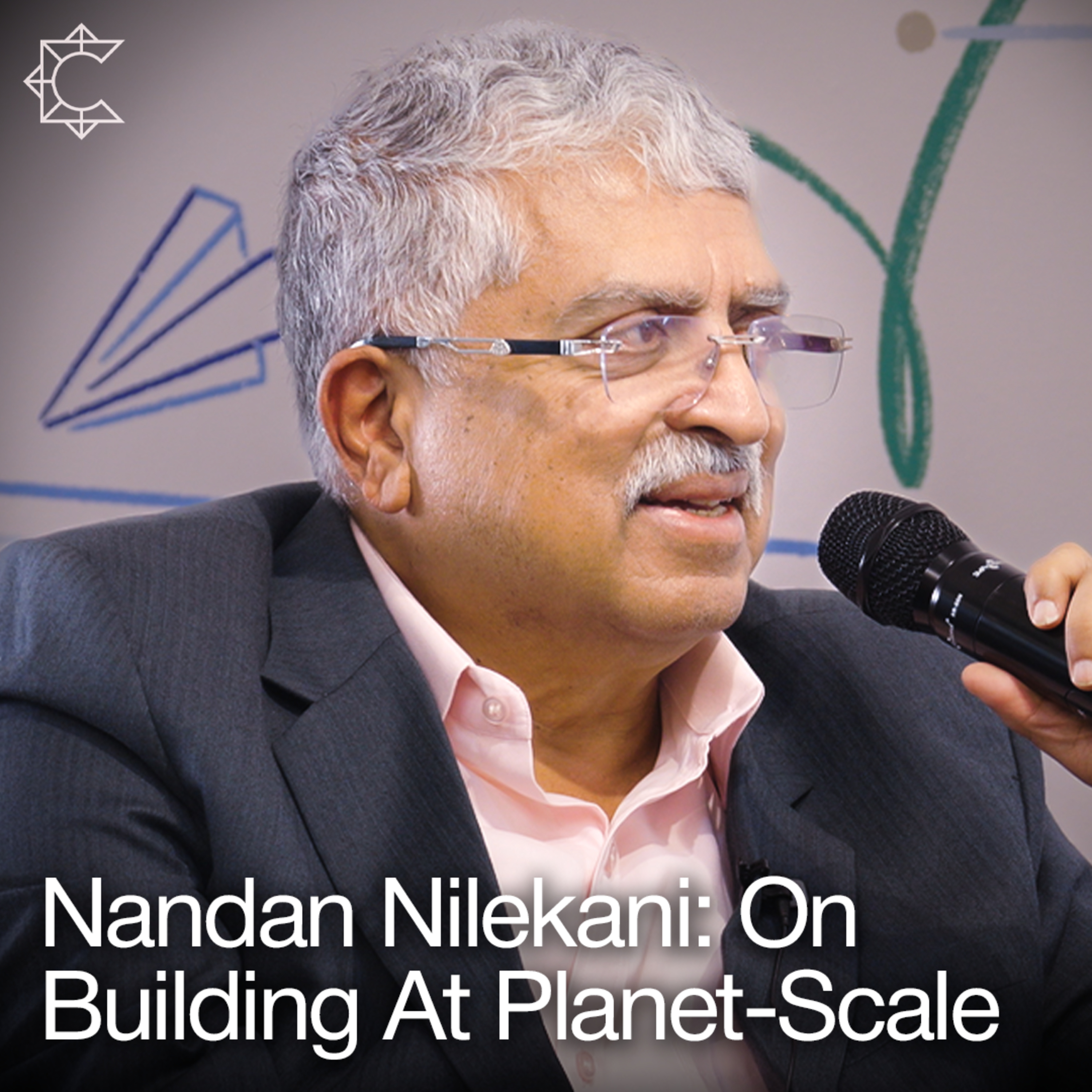
Unlike private companies seeking product-market fit within a specific segment, designing digital public infrastructure (DPI) requires a different mindset. The goal is creating a level playing field that enables *everyone* to participate and allows markets to innovate on top.
The next wave of data growth will be driven by countless sensors (like cameras) sending video upstream for AI processing. This requires a fundamental shift to symmetrical networks, like fiber, that have robust upstream capacity.