Get your free personalized podcast brief
We scan new podcasts and send you the top 5 insights daily.
Hiding a terminal diagnosis from a loved one, even with good intentions, can be incredibly damaging. It denies them the ability to grieve, say goodbye, and achieve closure. The uncertainty created by such lies can be more painful than the truth itself.

Related Insights
The film 'The Farewell' shows a family hiding a cancer diagnosis to preserve hope, an act of love in their culture. In the U.S., this would violate patient autonomy, highlighting a key cultural difference in the ethics of truth-telling.

While truthfulness is a cornerstone of relationships, dementia care can create ethical conflicts where protecting a loved one from distress or greater harm, like institutionalization, outweighs a rigid adherence to the truth. "Therapeutic lying" can become a necessary, though difficult, tool for compassionate caregiving.

Jennifer's mother encouraged her to marry by sharing her own pre-wedding doubts but omitted that her marriage was open. This crucial half-truth gave false comfort, leading Jennifer into a marriage that ended in divorce. The incident shows how concealment by omission can be more deceptive and harmful than saying nothing at all.
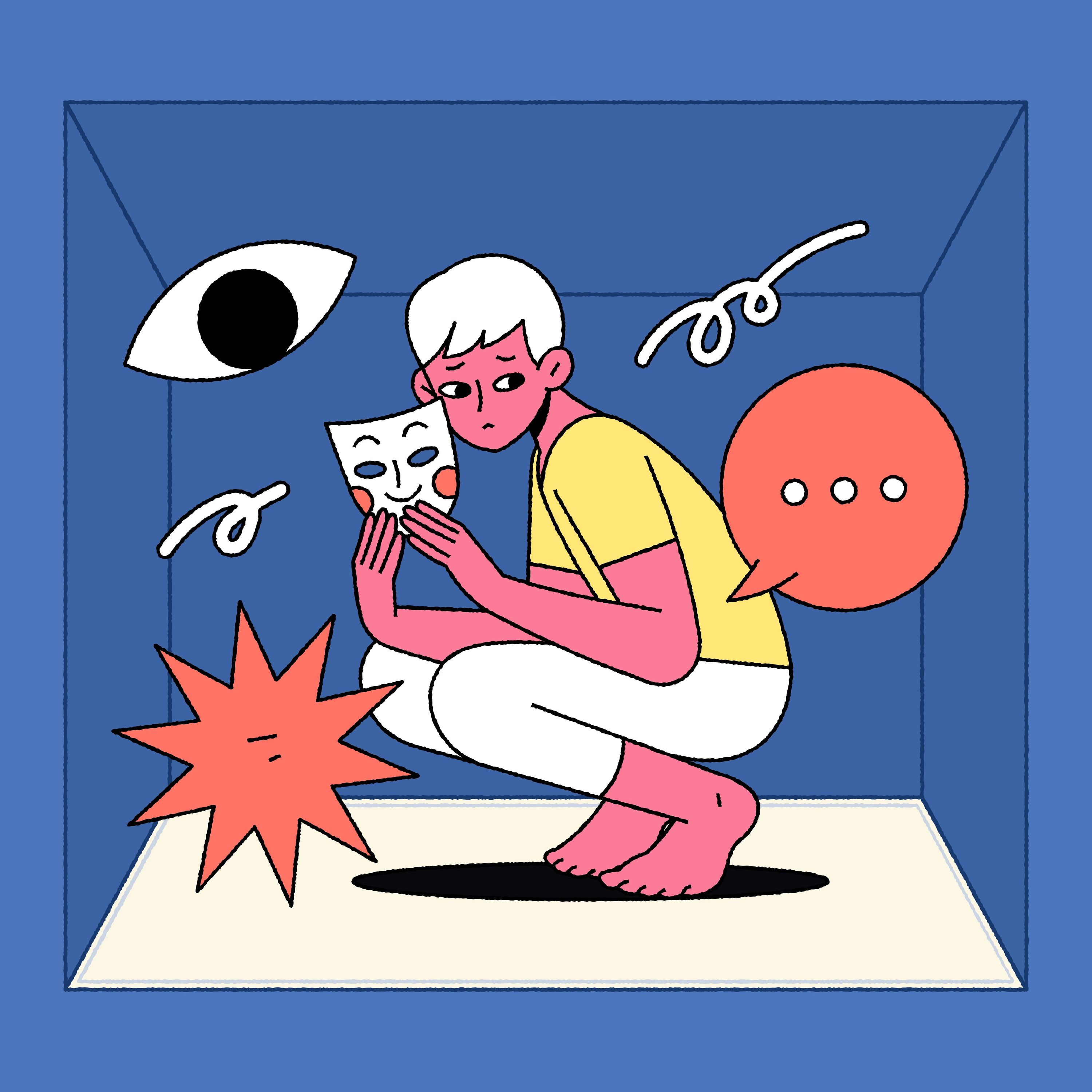
Friends often provide well-meaning but misguided encouragement, cheering someone down a dead end. True support sometimes requires delivering the difficult, realistic news that helps a person face their actual situation, even if it isn't 'nice' to hear.

Contrary to popular belief about grief, research shows that terminally ill individuals often reach the 'acceptance' stage relatively quickly. Once there, they frequently report higher levels of happiness and savoring of life than they did even before receiving their diagnosis, as acceptance removes uncertainty.

A lie intended to be benevolent backfires when the recipient believes the withheld information was necessary. The host's mother lied about COVID exposure to avoid stress, but it was seen as a paternalistic betrayal because the host felt the information was critical.
While medically proficient, many doctors are ill-equipped to handle the psychological aspects of patient communication, particularly when delivering a devastating diagnosis. Medical schools must incorporate training on psychology and compassionate communication to mitigate patient trauma.

Deceiving someone with severe dementia about a painful truth (like a death) is considered compassionate because they cannot properly process it. Telling the truth would only cause repeated grief without any benefit of understanding or growth.
Contrary to assumptions that patients avoid difficult news, SCLC patients explicitly want to discuss prognosis. Knowing the treatment's intent—whether curative or palliative—helps them mentally prepare for toxicity, remain motivated during difficult regimens, and engage in crucial end-of-life planning with their doctors.

A cancer diagnosis can cause some friends to disappear, not from malice, but because they are unable to handle the emotional weight of a loved one's serious illness. This social fallout is a painful and unexpected side effect of the disease, revealing the fragility of certain relationships.