Get your free personalized podcast brief
We scan new podcasts and send you the top 5 insights daily.
Gwen Shotwell championed the concept of 'residual capability' by building more launch capacity than was demanded. This surplus enabled the creation of Starlink, turning an operational excess into a massive new business line—a powerful strategy for infrastructure-heavy companies.

Related Insights
The entire strategy of building data centers in space is only economically feasible because SpaceX's Starship is projected to increase launch capacity by 20 times and drastically lower costs. This specific technological leap turns a sci-fi concept into a viable business model.
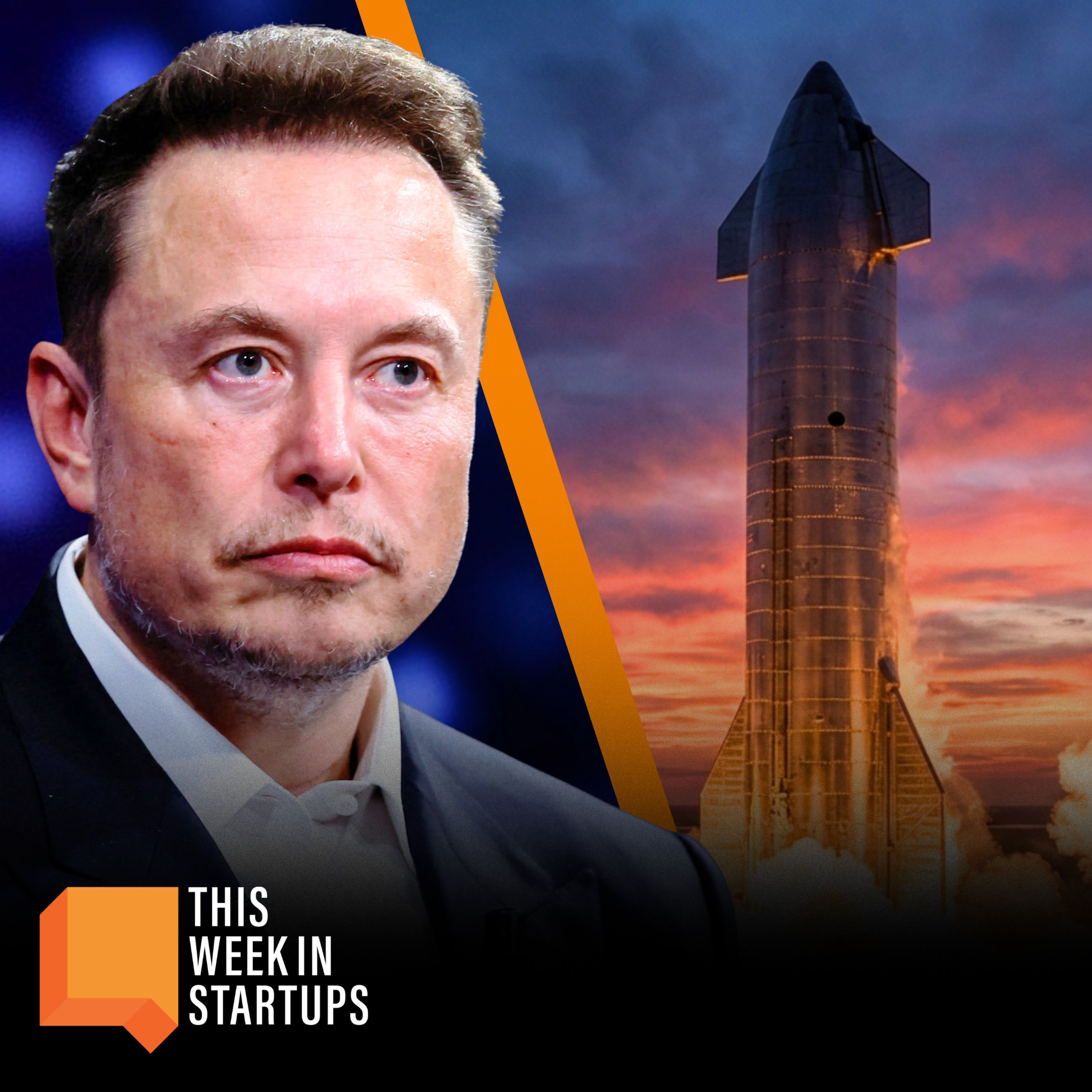
Approximately 75% of SpaceX's rocket launches are dedicated to deploying its own Starlink satellites. This massive internal demand inflates overall launch numbers while the core business of launching for third-party customers is only growing in the single digits, a crucial distinction for IPO investors.

Achieving rapid and full reusability of its launch vehicles is the single most critical factor for SpaceX. It's not just an efficiency gain; it's the foundational enabler for the economics of every future business line, from orbital compute and Starlink v3 to direct-to-cell services.

SpaceX acts like a container ship, dropping satellites into a general orbit. This creates a massive business opportunity for an entire ecosystem of 'last-mile' services, including orbital transport to specific planes ('FedEx of space'), debris removal ('Allied Waste of space'), and in-space power generation.

SpaceX builds data centers dramatically faster (e.g., 66 days for their third one) and at lower cost than competitors. This operational excellence, combined with the scale to build true gigawatt data centers, gives them a dominant position in the AI compute market.

Skepticism around orbital data centers mirrors early doubts about Starlink, which was initially deemed economically unfeasible. However, SpaceX drastically reduced satellite launch costs by 20x, turning a "pipe dream" into a valuable business. This precedent suggests a similar path to viability exists for space-based AI compute.

Elon Musk's original motivation for Starlink was less about global internet and more about creating a profitable business to financially support SpaceX's capital-intensive goal of going to Mars. This frames Starlink as a critical, cash-generating stepping stone for a much larger vision.
By leveraging its capability for rapid data center deployment, SpaceX unexpectedly became a major AI compute provider, akin to an 'Elon Web Services.' This move mirrors how Amazon built AWS to monetize excess internal infrastructure, turning a core competency into a massive new business line.
Unlike tech giants dominating terrestrial markets like search or e-commerce, SpaceX's near-monopoly on space launch makes it the gatekeeper to the entire physical universe. This reframes its potential from a niche industry player to a foundational utility for all future off-planet endeavors.

SpaceX’s mastery of rocket launches, which reduced costs by over 50x, is not just a service they sell. It's a strategic advantage that enables their highly profitable, high-margin Starlink satellite internet business, creating a powerful, self-reinforcing flywheel where they are their own biggest customer.
