Get your free personalized podcast brief
We scan new podcasts and send you the top 5 insights daily.
During a war, assets like US Treasuries face a conflict. While their payment is guaranteed (safe haven property), the war itself can spike inflation, making the fixed coupon payments a money-losing investment in real terms. Investors must weigh the certainty of payment against the loss of purchasing power.

Related Insights
The nature of a crisis determines the dollar's role. During the tariff turmoil, the dollar weakened like a normal investment asset as the U.S. became a less attractive place to do business. In contrast, during the Iran war, its safe haven properties kicked in as investors prioritized security over economic outlook.
Popular portfolio hedges for geopolitical turmoil, such as long-duration bonds, gold, and the Swiss franc, have not performed as expected. This failure is attributed to a combination of overcrowded positioning in these assets and specific policy factors, like central bank intervention threats, neutralizing their safe-haven effects.

Since leaving the gold standard in 1971, the default government response to any financial crisis has been to expand the money supply. This creates a persistent, long-term inflationary pressure that investors must factor into their strategies, particularly for fixed-income assets.
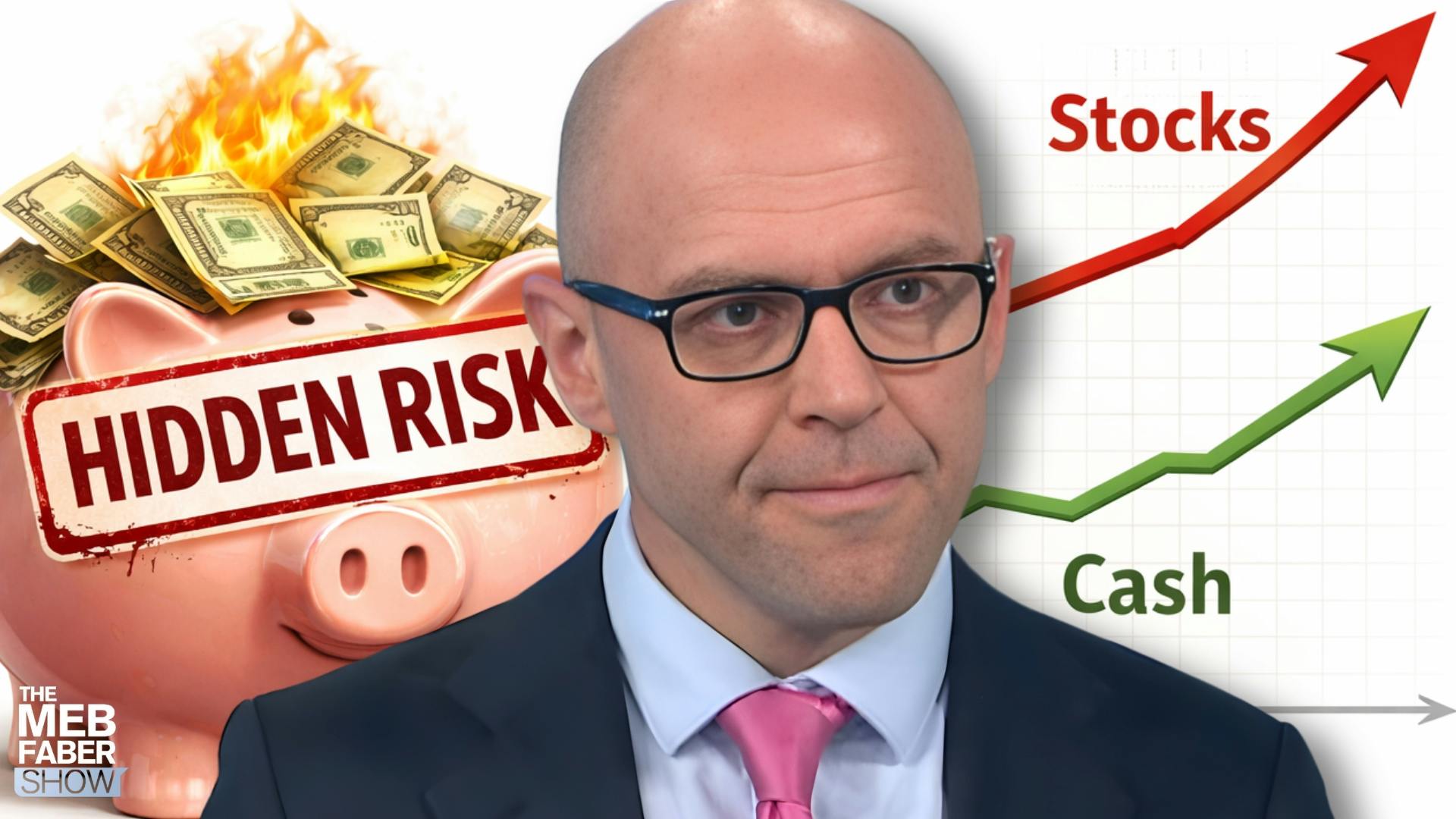
If the conflict leads to persistently high oil prices and sticky inflation, bonds may fail to act as a safe-haven asset. Both stock and bond prices could fall in tandem, undermining traditional balanced portfolio strategies.

The perception of government bonds as 'safe' is challenged by history. In the 35 years following WWII (1945-1980), a period of inflation and financial repression, investors in most global government bond markets saw the real value of their capital decimated.
The knee-jerk reaction to a geopolitical shock is often a bond market rally (flight to safety). However, if the shock impacts supply (e.g., oil), the market can quickly reverse. It pivots from pricing geopolitical risk to pricing the risk of persistent inflation, forcing yields higher in anticipation of rate hikes.
Even the quintessential safe haven, gold, can be sold off during intense fear. When a crisis hits, the immediate need for liquid cash (dollars) to pay bills and cover obligations overrides long-term safety. Investors liquidate well-performing assets like gold to meet short-term survival needs, creating a 'dash for cash'.
In an environment dominated by government debt and money printing, holding cash is not a neutral act of saving; it's direct exposure to inflation. As the government devalues the currency to manage its interest payments, the purchasing power of cash diminishes. The priority must shift from simply saving to owning productive or scarce assets as a defense.

Unlike historical precedents, the current geopolitical conflict has triggered a significant sell-off in US long bonds. This suggests a regime change where high sovereign debt and inflation fears mean bonds no longer serve their traditional flight-to-safety role.

The Iran conflict has created competing forces in the U.S. Treasury market. While geopolitical risk typically drives a flight to safety (lower yields), the threat of oil-induced inflation is pushing in the opposite direction (higher yields).