Get your free personalized podcast brief
We scan new podcasts and send you the top 5 insights daily.
Instead of formal deportations, Indian authorities use an improvised method of "pushbacks." Bengali-speaking Muslims, alleged to be Bangladeshi, are rounded up, bussed to the border, and physically shoved into Bangladesh, circumventing courts and diplomatic conventions entirely.
Related Insights
Instead of focusing on confrontational deportations, the most effective way to curb illegal immigration is to eliminate the job opportunities that attract people. By aggressively fining and jailing business owners who hire undocumented workers, the primary motivation for crossing the border would be removed, solving the problem at its source.

The BJP's new civil codes, promoted as advancing equality, are selectively applied. They primarily force Muslim communities to adopt Hindu-derived legal traditions while strategically exempting tribal populations, a key voting bloc. This state-by-state rollout creates legal fragmentation rather than true uniformity.
The U.S. administration is strategically overwhelming immigration courts with "mega master hearings" of up to 100 cases at a time. This chaos makes it difficult for immigrants to get notice or legal representation, leading to missed court dates and subsequent "in absentia" removal orders, effectively weaponizing bureaucracy.

Denmark pioneered a strategy of "negative nation branding" to discourage asylum applications. This involves deliberately publicizing harsh policies, such as confiscating asylum seekers' jewelry, to make the country appear as unattractive as possible to potential migrants, thereby managing immigration through perception control.
Under the guise of preventing forced conversions, new Indian laws use bureaucratic hurdles to suppress religious freedom. By requiring public notice on online registries and inviting citizen objections before a person can convert, these laws create a system that deters religious change and enables state-sanctioned harassment of minorities.
Enforcing cultural norms doesn't always require laws and police. Societies can utilize "soft power" through social ostracization and by establishing clear, non-negotiable standards (e.g., language requirements). This pressures newcomers to assimilate without turning every cultural friction point into a legal matter.

The Trump administration uses ICE not just for immigration enforcement, but to create a de facto national police force. By framing immigration as a ubiquitous issue, they justify a federal presence anywhere, effectively turning the entire country into a "border zone" where exceptional laws can apply.

Many temporary workers would prefer to return home between jobs but remain in a host country illegally because they fear the high cost and danger of re-entering for the next work season. Creating safe, legal, and reliable re-entry pathways could significantly reduce irregular overstays.

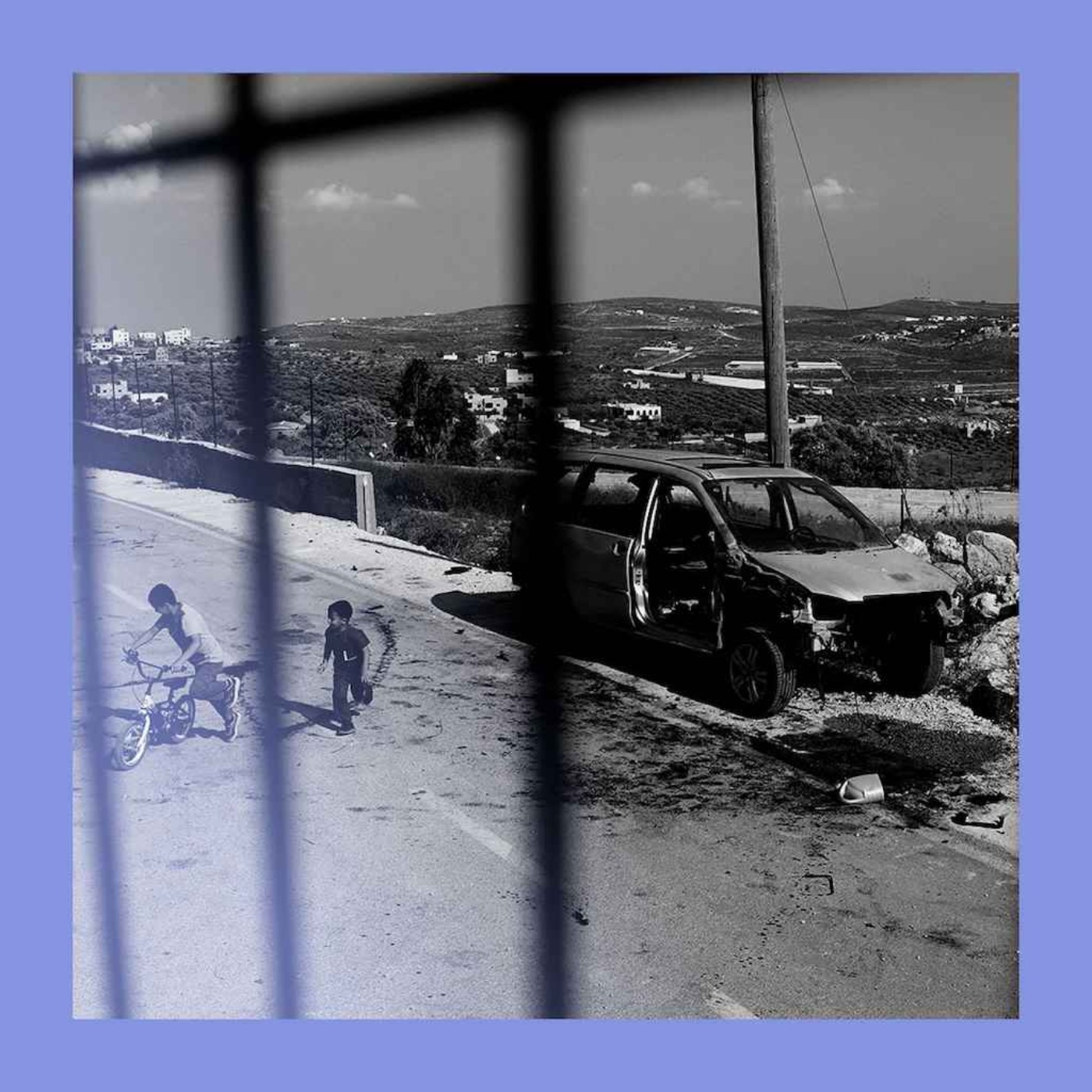
The kilometer-wide buffer zone on the India-Bangladesh border is not an empty no-man's-land but home to 25,000 Indian citizens. They endure daily security checks, rationing, and dismantled property, effectively sacrificing their freedoms for national security while living within their own country.
The significant drop in murder rates in India's Uttar Pradesh under Yogi Adityanath is attributed to a policy of 'zero tolerance' for crime. This involves a notable increase in 'encounter killings,' where police shoot suspects, often fatally, under questionable circumstances, signaling a disregard for due process.