Get your free personalized podcast brief
We scan new podcasts and send you the top 5 insights daily.
The kilometer-wide buffer zone on the India-Bangladesh border is not an empty no-man's-land but home to 25,000 Indian citizens. They endure daily security checks, rationing, and dismantled property, effectively sacrificing their freedoms for national security while living within their own country.

Related Insights
Under the guise of preventing forced conversions, new Indian laws use bureaucratic hurdles to suppress religious freedom. By requiring public notice on online registries and inviting citizen objections before a person can convert, these laws create a system that deters religious change and enables state-sanctioned harassment of minorities.

A simple test for a political system's quality is whether it must use force to retain its citizens. The Berlin Wall and North Korea's borders were built to prevent people from leaving, not to stop others from entering. This need to contain a population is an implicit confession by the state that life is better elsewhere, contrasting with free societies that attract immigrants.

The Trump administration uses ICE not just for immigration enforcement, but to create a de facto national police force. By framing immigration as a ubiquitous issue, they justify a federal presence anywhere, effectively turning the entire country into a "border zone" where exceptional laws can apply.

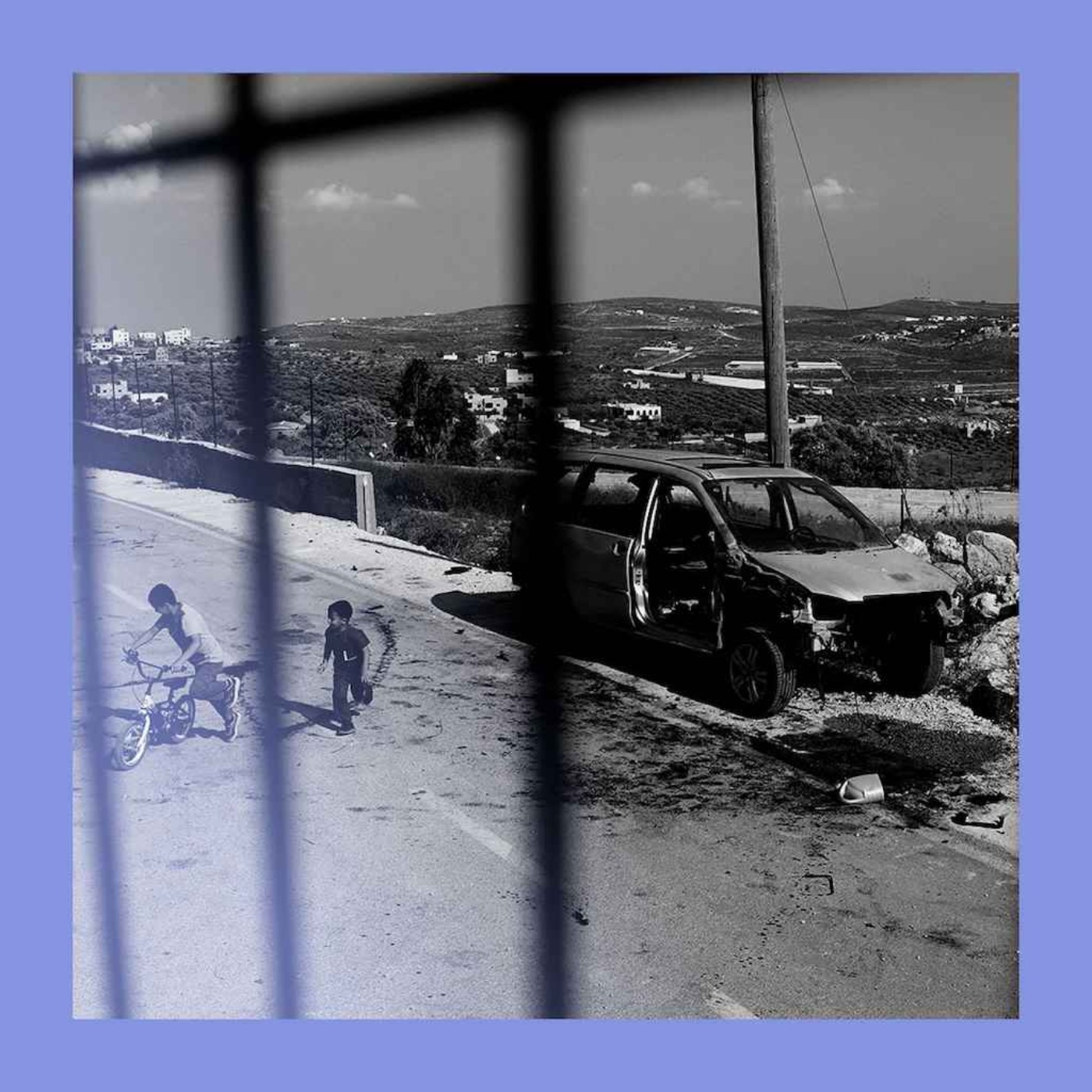
Settlers establish outposts near Palestinian villages and deliberately provoke confrontations, which they term 'friction.' This tactic is designed to bring in the Israeli army, which typically sides with the settlers, effectively using state military power to expand their presence and create no-go zones for Palestinians.
The business model of Los Algodones highlights a stark border reality. Americans cross into Mexico with ease to spend money, while local workers like Alberto, a deportee, can see their former U.S. homes but are permanently barred from crossing back. This illustrates a profoundly unequal, one-way economic and social flow.

A surprising provision within India's new Uniform Civil Code requires unmarried cohabiting couples to register their relationship with the state within 30 days or face potential jail time. This transforms a supposed legal reform into a tool for state surveillance of citizens' personal lives.
The successful push to remove Maoist rebels from tribal regions in India creates a new threat for local communities. With the insurgents gone, residents fear the heavy state military presence will now facilitate the entry of mining companies seeking to exploit the areas' rich mineral reserves, leading to displacement and dispossession.
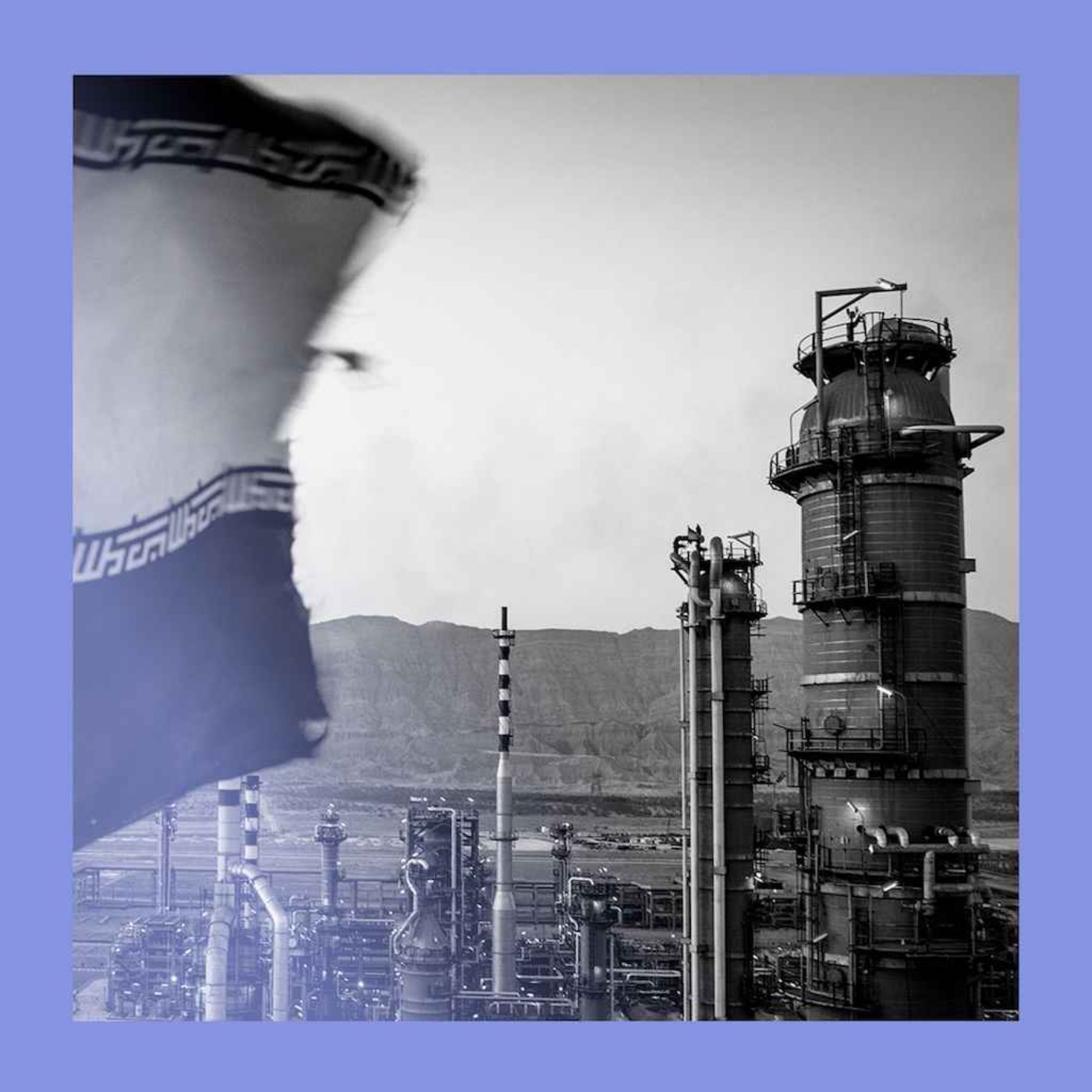
Thousands of merchant sailors, primarily from Asian countries like the Philippines and India, are trapped in conflict zones like the Gulf. They face not only missile attacks but also severe shortages of food and water. Legal obligations prevent them from abandoning ships, and logistical hurdles like visa issues and a lack of replacements create a hidden humanitarian crisis with no clear escape route.
Instead of formal deportations, Indian authorities use an improvised method of "pushbacks." Bengali-speaking Muslims, alleged to be Bangladeshi, are rounded up, bussed to the border, and physically shoved into Bangladesh, circumventing courts and diplomatic conventions entirely.
The drive to bolster national defense, such as building a new military training ground in Lithuania's strategic Suwalki Corridor, creates profound internal conflict. The state's security needs clash directly with citizens' property rights and their desire for peace, forcing emotional and divisive debates that can be exploited by adversaries.