Get your free personalized podcast brief
We scan new podcasts and send you the top 5 insights daily.
Don't get paralyzed trying to perfect your first course or program. Its primary role is to get you in the game. The feedback and data you gather from that initial offer will inform your next, often bigger and more successful, strategic move. It's a necessary step to find your eventual 'bread and butter' product.

Related Insights
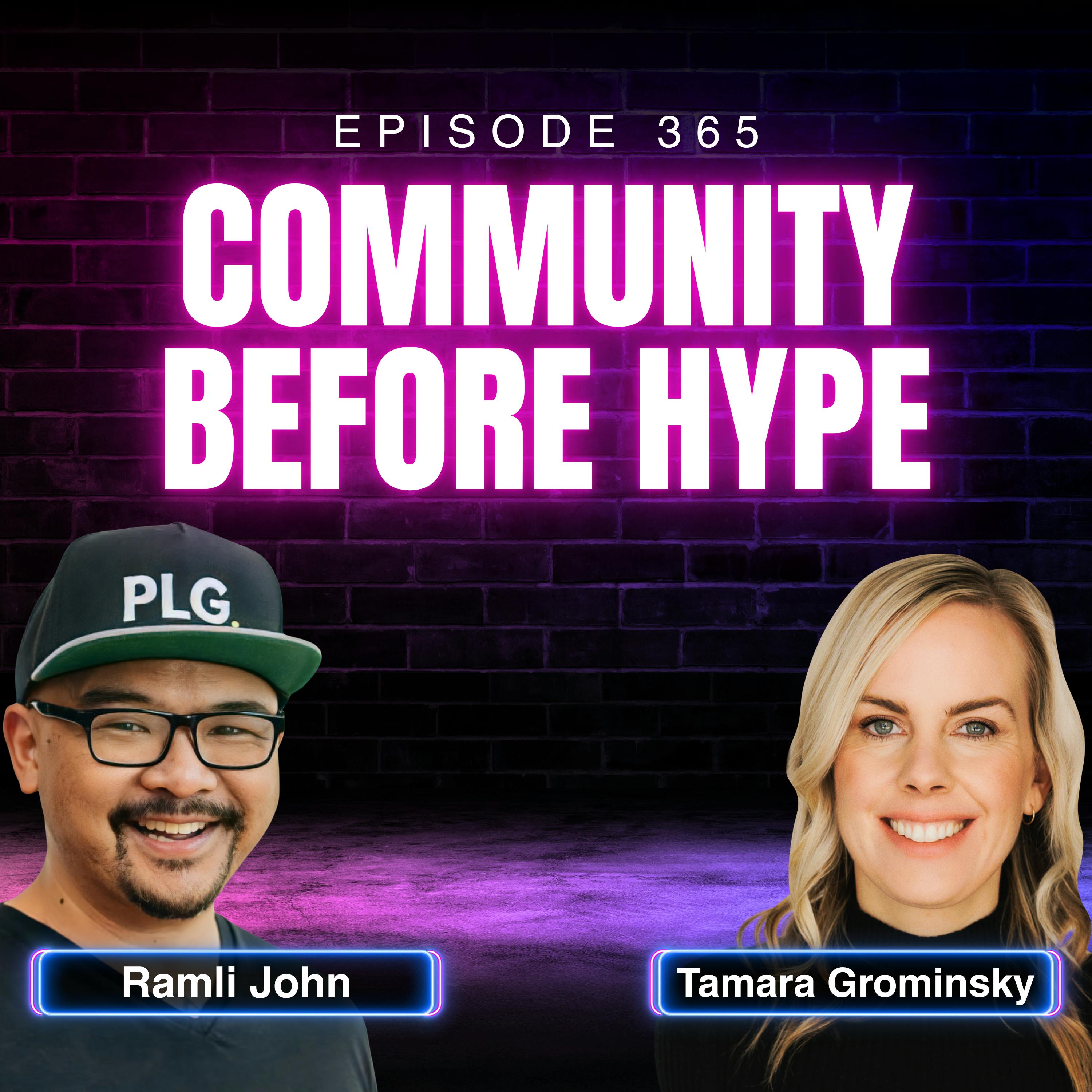
Ramli John launched his paid beta program after writing only two of twenty chapters. This allowed him to gather market feedback exceptionally early, co-create the product with his most dedicated users, and pivot based on their input, significantly de-risking the final launch.
The speaker advocates a four-step model: Validate, Pre-sell, Deliver, then Build. This approach prioritizes collecting payment based on a well-defined offer document before investing resources into product development, ensuring market demand and initial cash flow from day one.

Visionary founders often try to sell their entire, world-changing vision from day one, which confuses buyers. To gain traction, this grand vision must be broken down into a specific, digestible solution that solves an immediate, painful problem. Repeatable sales come from a narrow focus, not a broad promise.
Instead of seeking a soul-fulfilling first venture, focus on a business that pays the bills. This practical approach builds skills and provides capital to pursue your true passion later, without the pressure of monetization.
To get to your first sale a day, prioritize speed over perfection by launching a Minimum Viable Product (MVP) line of 6-12 items. The goal isn't immediate profitability, but to get real products into the market quickly. This allows for rapid learning and feedback, preventing the common failure of launching a 'perfect' collection to no audience.

A visionary founder must be willing to shelve their ultimate, long-term product vision if the market isn't ready. The pragmatic approach is to pivot to an immediate, tangible customer problem. This builds a foundational business and necessary ecosystem trust, paving the way to realize the grander vision in the future.
Effective planning requires two distinct phases. First, brainstorm ambitious goals without limitation (e.g., start a YouTube channel). Second, in a separate step, select a focused list of 2-3 core offers that will generate the majority of your revenue. This prevents confusing audience-building activities with direct moneymakers.
Jumping to enterprise sales too early is a common founder mistake. Start in the mid-market where accounts have fewer demands. This allows you to perfect the product, build referenceable customers, and learn what's truly needed to win larger, more complex deals later on.

The statistical likelihood that your passion aligns with a profitable venture from day one is almost zero. Instead, build a passion for commerce itself. Generate "sweaty, ugly income" first to create the financial freedom to pursue what you truly love later.

Creators often get paralyzed trying to create a perfectly cohesive product ecosystem (e.g., guide, book, course). This is overthinking from a place of ego. Your audience isn't scrutinizing your sales funnel. Focus on promoting the product you're most excited about at any given moment.
