Get your free personalized podcast brief
We scan new podcasts and send you the top 5 insights daily.
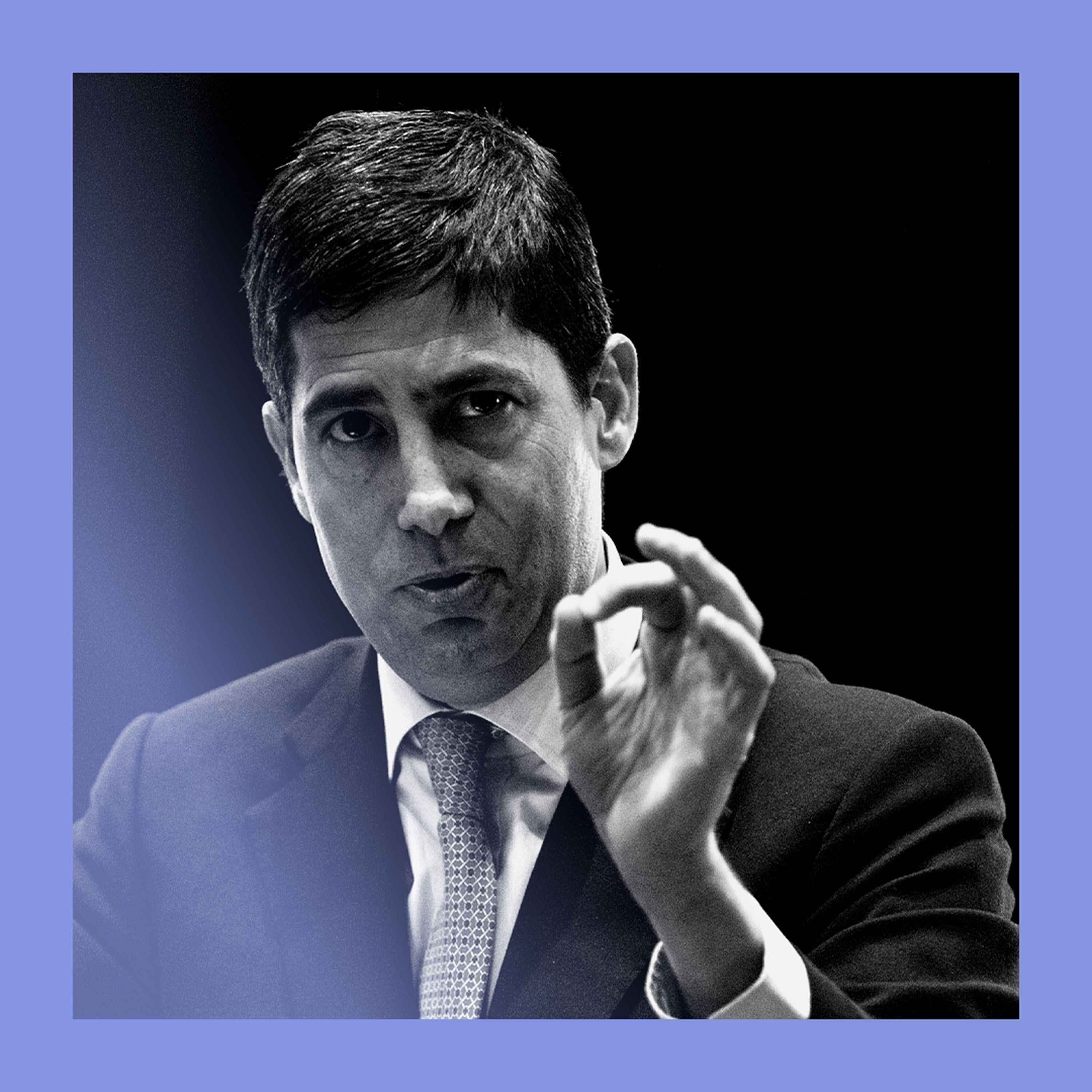
New Fed Chair Kevin Warsh has signaled a desire to reduce transparency by potentially ending press conferences. This would be a major reversal of a multi-decade trend towards more openness. Since current traders have only known a highly transparent Fed, such a change could introduce significant uncertainty and volatility into markets.

Related Insights
The appointment of Kevin Warsh as Fed Chair shifts the focus from purely economic decisions to a fundamental governance question: will the central bank remain independent or take political orders from the president? This represents a potential paradigm shift in the separation of powers.

If incoming Fed Chair Kevin Warsh reduces public communication, it could increase market uncertainty about future policy. This lack of clear forward guidance may lead investors to demand a higher risk premium for holding long-term bonds, causing the U.S. Treasury yield curve to steepen, all else being equal.

For over a decade, Fed forward guidance and QE have suppressed interest rate volatility. A shift away from this communication strategy would likely cause volatility to return to the more "normal," higher levels seen before the 2008 global financial crisis.

Powell pioneered press conferences at every Fed meeting, entrenching an era of maximal forward guidance. His departure, combined with rising internal dissent and a more political incoming chair, signals a return to a less predictable, more opaque Federal Reserve where institutions break down.

While presidents focus on interest rates, a Fed Chair like Kevin Warsh has limited sway as one of 12 votes. His real impact will be on technical areas like the Fed's balance sheet, where he has stronger personal convictions and faces less political scrutiny.
A clear statement from a financial leader like the Fed Chair can instantly create common knowledge, leading to market movements based on speculation about others' reactions. Alan Greenspan's infamous "mumbling" was a strategic choice to avoid this, preventing a cycle of self-fulfilling expectations.

Kevin Warsh's confirmation hearings suggest a potential regime change at the Fed. He has indicated possible shifts in how inflation is measured (using trimmed mean), the size of the balance sheet, and a reduction in market communication like forward guidance.
The recent Fed meeting showed the most dissents in over 30 years, not on rates but on forward guidance language. This internal division, preceding a new chair, suggests the era of clear, consensus-driven central bank messaging is over, heralding more volatility.
Warsh believes the Fed relies too heavily on forward guidance, particularly the 'dot plot,' which he feels boxes in members. He will likely downgrade or eliminate it and encourage Fed presidents to speak less publicly, aiming for more agile and less predetermined monetary policy decisions.

The Fed has steadily moved from Alan Greenspan's deliberate obfuscation toward greater transparency. However, there's a view that potential new leadership could reverse this trend, making Fed messaging more obscure and harder for markets to interpret in the coming year.