Get your free personalized podcast brief
We scan new podcasts and send you the top 5 insights daily.
Billionaire CEOs face a no-win situation where publicly opposing a wealth tax invites attacks from employees, shareholders, and media. The rational response is to remain silent while privately planning a move to a more favorable tax jurisdiction like Austin or Miami.
Related Insights
The wealth tax initiative is drafted to be highly punitive by including large Roth IRAs and negating the benefits of complex trust structures typically used for tax avoidance. This makes it extremely difficult for wealthy individuals to escape its reach if passed.
Once a 'one-time' wealth tax is implemented to cover deficits, it removes pressure on politicians to manage finances responsibly. The tax becomes a recurring tool, and the definition of 'wealthy' inevitably expands as the original tax base leaves the jurisdiction.
When facing government pressure for deals that border on state capitalism, a single CEO gains little by taking a principled stand. Resisting alone will likely lead to their company being punished while competitors comply. The pragmatic move is to play along to ensure long-term survival, despite potential negative effects for the broader economy.

Congressman Ro Khanna proposes a tax on the total net worth of individuals with over $100 million. Unlike an income or capital gains tax, this targets unrealized wealth, forcing the liquidation of assets like stocks to generate the cash needed to pay the tax.

For high earners, strategic tax mitigation is a primary wealth-building tool, not just a way to save money. The capital saved from taxes represents a guaranteed, passive investment return. This reframes tax planning from a compliance chore to a core financial growth strategy.

A proposed wealth tax in California triggered a significant flight of capital and high-net-worth individuals, even without becoming law. The key factor was the failure of politicians to uniformly condemn the proposal, which was perceived as a threat to fundamental property rights, signaling a hostile business climate.
As the first trillionaires emerge, they will absorb the public and political scrutiny currently aimed at billionaires. This dynamic will effectively normalize billionaire status, much like the rise of billionaires made millionaires seem more commonplace and less of a target for criticism over wealth inequality.

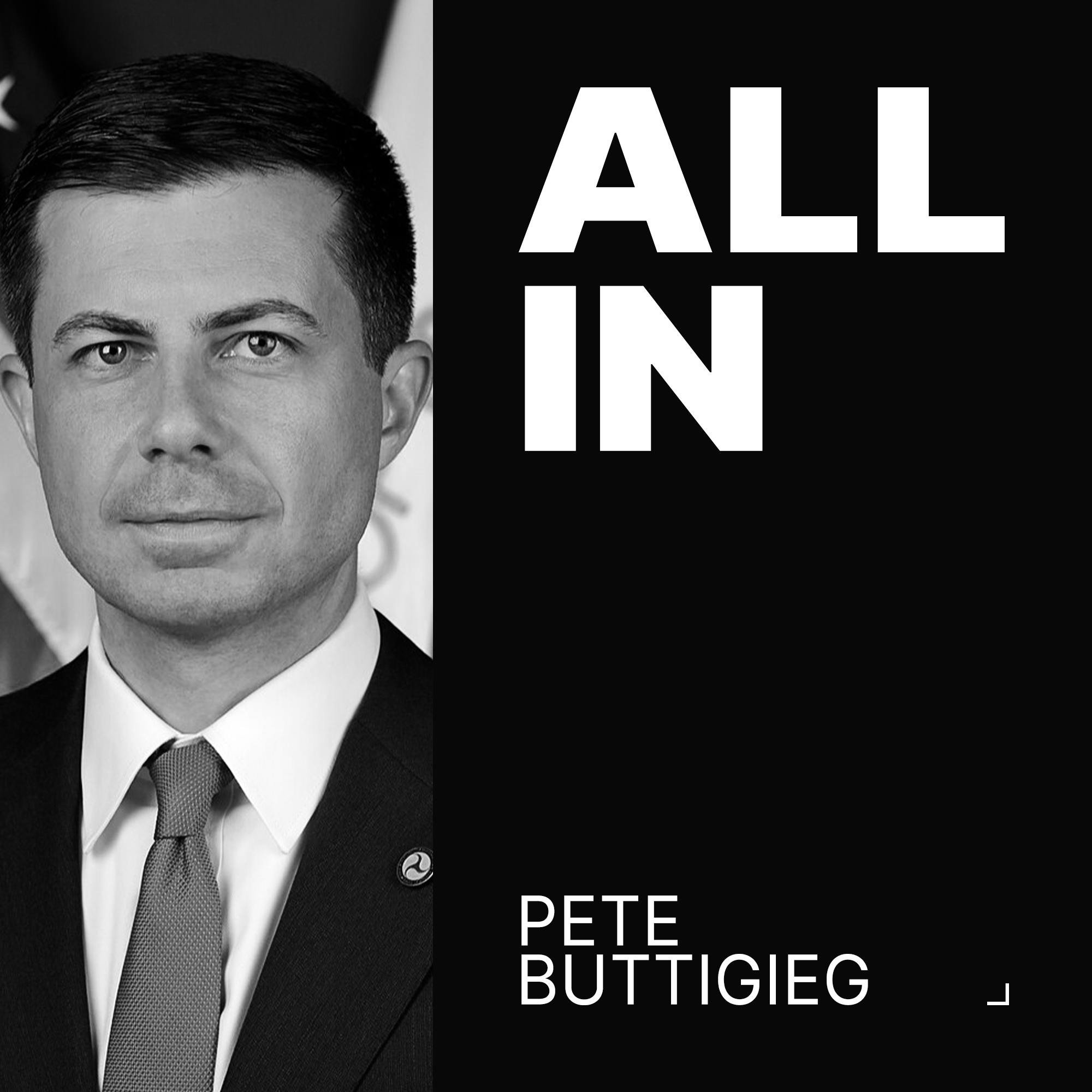
Buttigieg dismisses complex narratives around Silicon Valley's political shift, arguing it's a straightforward case of wealthy individuals choosing the party whose policies, like lower taxes and deregulation, best serve their immediate financial interests, despite other ideological contradictions.
Citing the court's decision to override Tesla shareholders on Elon Musk's pay package, Cathie Wood identifies Delaware's legal environment as unpredictable. Revealing that her own firm is moving its incorporation out of the state, she highlights an emerging, significant risk for companies that have long considered Delaware the safest legal home.

Reflecting on his own experiences, Elon Musk advises business leaders to stay out of politics. He concludes that engaging in the political arena is a 'blood sport' where opponents 'go for the jugular,' and that his conclusion is to do less of it.
