Get your free personalized podcast brief
We scan new podcasts and send you the top 5 insights daily.
A business selling a single product, like themed tea, can create a more defensible and valuable brand by expanding into a full "experience." Bundling tea with tea sets, outfits, and snacks transforms a simple product into a high-margin event package.

Related Insights
To create a high-margin offer without adding significant costs, bundle services you already provide (like experienced movers or included materials) into a "VIP" package. This allows you to price-anchor high and present a premium option that costs little to nothing extra to fulfill, increasing perceived value.

Oatly hosts "The Aftertaste," an exclusive convention for beverage experts. This positions the company as a creative consultant, not just a supplier, allowing it to maintain premium pricing with clients who value its industry insights and trend-setting status.

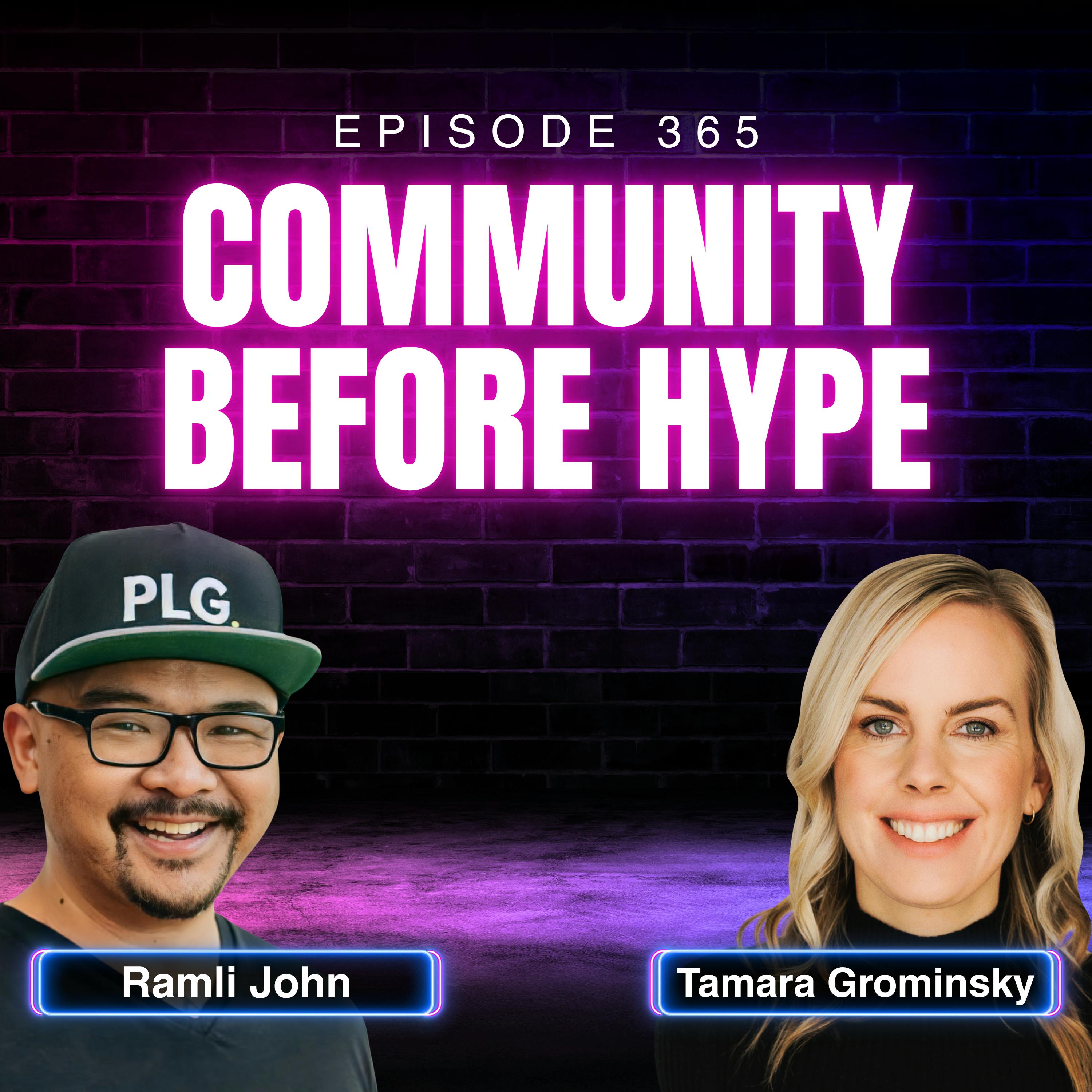
Author Ramli John sold more than a book; he sold "better onboarding." He bundled his book with templates, a course, and even team Q&A sessions. This strategy focuses on the customer's desired outcome, not the delivery mechanism, making the product a toolkit for success rather than just a passive piece of content.
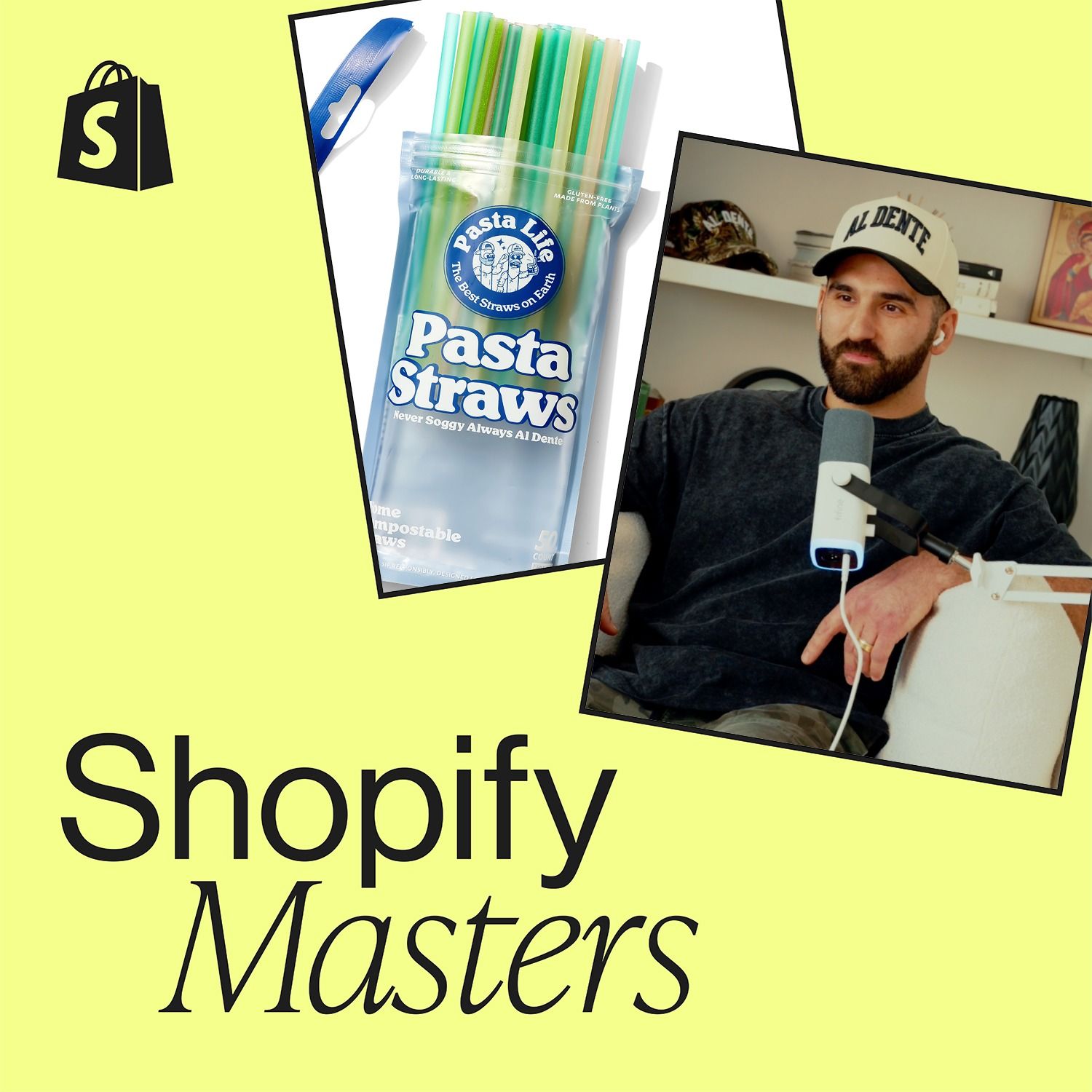
The brand bundles its low-cost pasta straws with higher-margin merchandise. The merch, featured in viral social media videos, acts as an entry point to draw customers into the brand ecosystem. This bundling strategy increases average order value and makes the core product an attractive add-on.
Businesses often fail by selling a generic category instead of specific experiences. A restaurant doesn't just sell "food"; it sells a bar experience, a tasting menu, and private events. By explicitly defining and selling these offerings upfront, businesses can match customers to value and significantly boost revenue.
![Nick Kokonas - Know What You Are Selling - [Invest Like The Best, REPLAY] thumbnail](https://megaphone.imgix.net/podcasts/c7f11b7e-e516-11f0-8700-239aa8e47bb9/image/552faf7d658b75e441e80eef4cf6b0b3.jpg?ixlib=rails-4.3.1&max-w=3000&max-h=3000&fit=crop&auto=format,compress)
The collectibles market is becoming a major lifestyle genre. Brands can capitalize on this by offering a limited-edition collectible with a purchase, which customers might resell on eBay. This creates buzz and drives demand for the primary product.

Sun Bum refused to let retailers "cherry-pick" a few products. To get shelf space, stores had to purchase a complete, custom-designed display that included the full product line plus merchandise, making the brand seem bigger and more established from day one.
For high-quality, durable goods that customers buy only once, the standard DTC model is challenging. Growth depends not on repeat purchases of the core product, but on building an ecosystem of valuable accessories and add-ons to increase customer lifetime value and create recurring revenue streams.
Instead of treating marketing as a cost, create paid, immersive experiences (like the Guinness Storehouse) that invite customers into your brand's world. These 'invitational transformations' can shift a customer's identity (e.g., 'I am a whiskey drinker'), making marketing a profitable brand-building activity.

Instead of competing on features, position mundane products like supplements or dental care within a desirable fantasy lifestyle (e.g., Royal England, Roman Empire). This allows a commodity to be sold at a premium by offering customers a form of escapism, a strategy typically used in apparel.
