Get your free personalized podcast brief
We scan new podcasts and send you the top 5 insights daily.
Published private market returns mask true volatility. After "de-smoothing," private equity's volatility is 20%, double its published rate of 10%. In contrast, opportunistic credit's volatility is much lower (low teens), making it a superior asset class on a risk-adjusted basis for institutional portfolios.

Related Insights
Over the last five years, the average PE portfolio has not significantly outperformed global equities. Real alpha (600+ bps) is found only in the top and second quartile of managers, making elite manager selection the most critical factor for success.

Contrary to marketing narratives, Acadian Asset Management's analysis finds no evidence that private credit generates higher risk-adjusted returns than public credit. Analysis of private issuers within public indices shows they are simply riskier firms with higher yields to compensate, not a source of alpha.
Public pensions may invest in private assets not only for potential outperformance but to avoid the daily mark-to-market volatility of public markets. This 'volatility washing' creates an illusion of stability that may not reflect the true economic risks of the underlying assets, serving as a poor reason to invest.

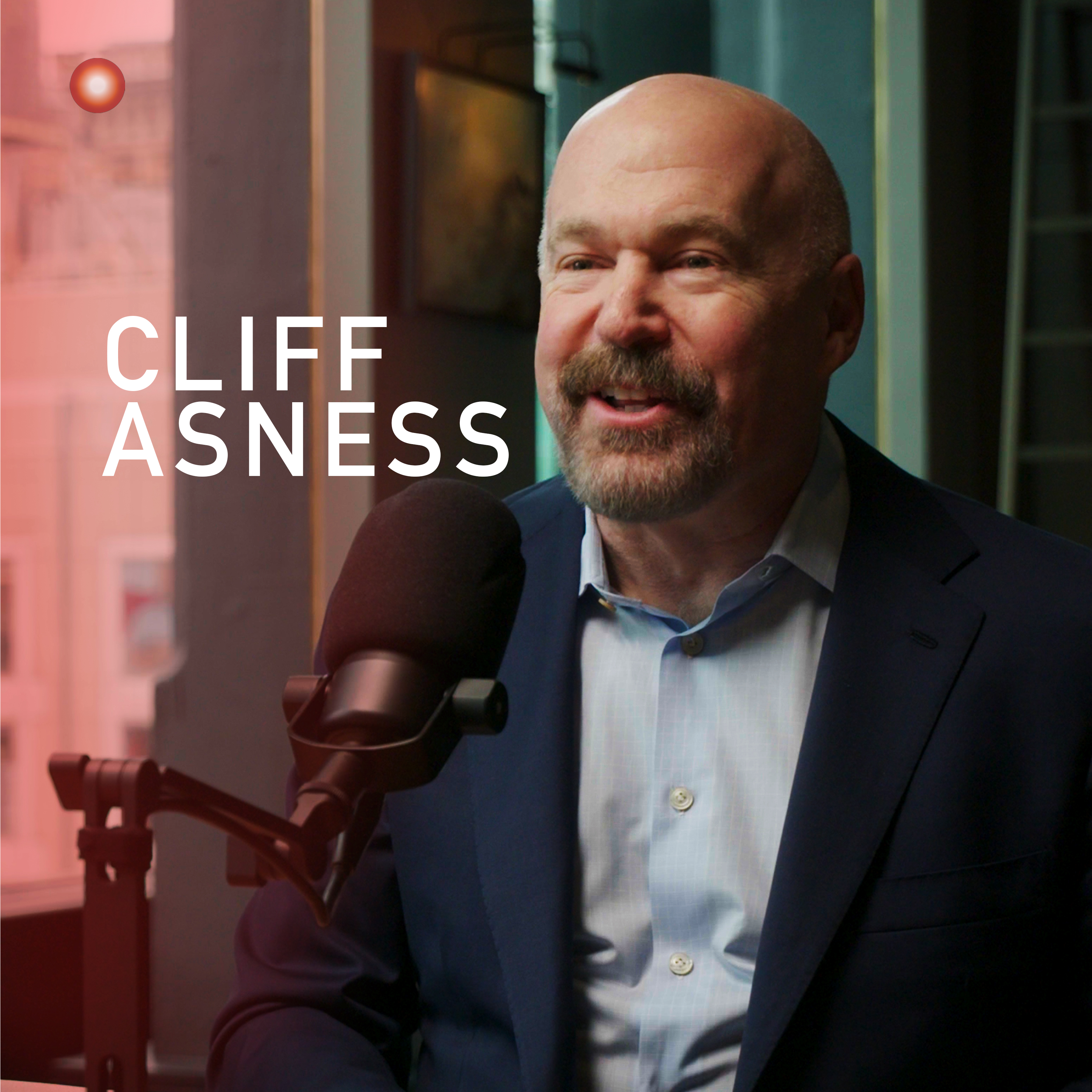
Cliff Asness coined the term "volatility laundering" to describe how private equity masks its true risk. The strategy is fundamentally levered equity, which is highly volatile. By not marking to market daily, firms smooth returns and report low volatility—an accounting fiction, not an economic reality.
Private equity's low reported correlation with public markets is largely an illusion created by smoothed, infrequent valuations ("volatility laundering"). The effect is exaggerated when institutions report private asset returns with a one-quarter lag, creating "accounting diversification" instead of real risk reduction.

Jeff Gundlach argues private credit's attractive Sharpe ratio is misleading. Assets aren't priced daily, hiding risk. When an asset is finally marked, it can go from a valuation of 100 to zero in weeks, exposing the “low volatility” as a dangerous fallacy.

The private credit market has seen little difference in returns between managers in recent years. However, a changing economic environment is expected to create significant dispersion, where managers with superior credit selection and origination capabilities will pull away from the pack.
Howard Marks argues that private credit's apparent low volatility during market downturns is not magic but an accounting feature. By not marking to market daily, it mimics the psychological trick of simply not looking at your public portfolio's value, creating a potentially false sense of security for investors.

Investors are drawn to PE's smooth, bond-like volatility reporting. However, the underlying assets are small, highly indebted companies, which are inherently much riskier than public equities. This mismatch between perceived risk (low) and actual risk (high) creates a major portfolio allocation error.

Private equity funds report lower volatility because they aren't required to mark assets to market daily. Unlike public funds, they can avoid reporting sharp downturns, a practice critics call "volatility smoothing" or "lying." This creates a misleading picture of risk and return.