Get your free personalized podcast brief
We scan new podcasts and send you the top 5 insights daily.
Pincus describes Zuckerberg's evolution into a leader who framed business decisions not just in terms of strategy, but as matters of destiny. This mindset positions any obstacle as something standing in the way of an inevitable future, which is a powerful negotiating and motivational tool.

Related Insights
CEOs like Meta's Mark Zuckerberg are now driven by a "spiteful" backlash against the perceived inefficiencies and consensus-driven culture of 2021. This results in an aggressive, risk-tolerant leadership style, where they'd rather fail spectacularly pursuing a vision than be mediocre and safe.

The stereotype of the brilliant but socially awkward tech founder is misleading. Horowitz argues that the most successful CEOs like Mark Zuckerberg, Larry Page, and Elon Musk are actually "very smart about people." Those who truly lack the ability to understand others don't reach that level of success.

Managerial companies derive legitimacy from "the plan," creating enormous inertia against change. In founder-led companies, legitimacy is vested in the founder as an individual. This is their key structural advantage, allowing the entire organization to pivot on a dime based on conviction.
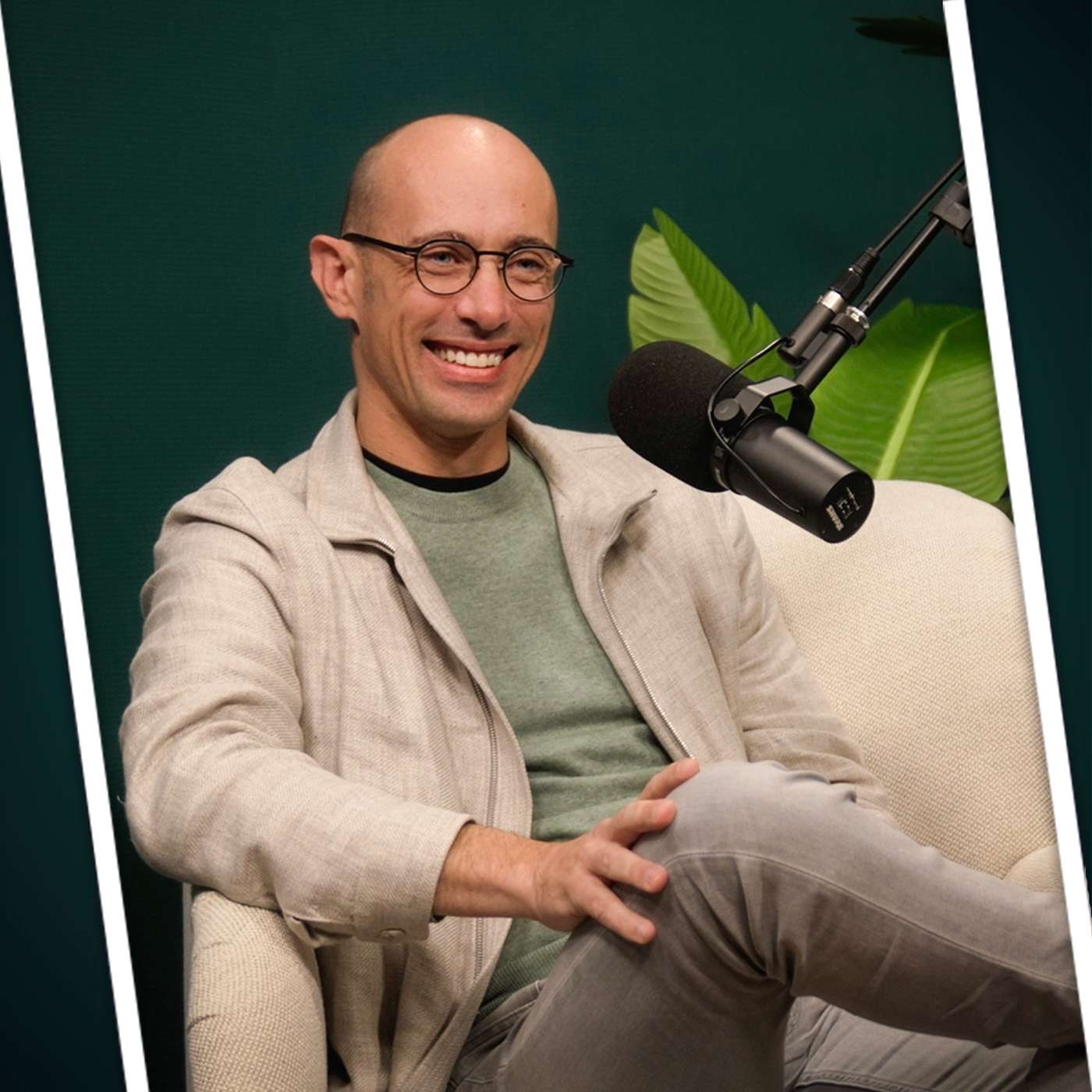
Instagram's original culture, focused on taste and quality under founder Kevin Systrom, clashed with Mark Zuckerberg's relentless, data-driven pursuit of 'domination.' This fundamental difference in founder philosophy ultimately led to Instagram losing its independence and becoming more like Facebook.

Pandora's founder kept employees working for two years without pay by framing their work not as data entry, but as a magical, culture-shifting mission. Great leaders make everything bigger than it is, transforming jobs into purpose-driven crusades to sustain motivation.
Despite skepticism about recent large bets, Mark Zuckerberg has a proven track record of successfully navigating massive technological shifts. His history of beating MySpace, pivoting to mobile, acquiring Instagram, and launching Reels to counter TikTok demonstrates formidable strategic agility.
The defining characteristic of a leader isn't a list of traits, but the ability to make followers feel that tomorrow will be better. We follow people who, through their vision and competence, reduce our anxiety about the future and make us feel empowered, regardless of their other shortcomings.

A successful startup often resembles a cult, requiring a leader who communicates their vision with unwavering, first-person conviction. Hiding the founder behind polished PR spokespeople is a mistake; it neuters the contagious belief required to recruit talent and build a movement against impossible odds.

Roughly 80% of a company's culture is a direct extension of its founder's personality. Facebook reflects Mark Zuckerberg's hacker mindset; Google reflects its founders' academic roots. As a leader, your role isn't to change the culture but to articulate it and build systems that scale the founder's natural way of operating.

Breakthrough innovation often comes from entrepreneurs holding a non-consensus belief about the future. This vision can seem irrational, like the man live-streaming an inauguration on a laptop in 2009. This conviction in their "secret" knowledge, which others dismiss, is a key trait of visionary founders who can build what others cannot yet see.
