Get your free personalized podcast brief
We scan new podcasts and send you the top 5 insights daily.
Instead of generic copy, use references that resonate with a specific audience. Matt Sellers' line about '12,800% zoom' was crafted to connect with experienced designers who've spent time deep in design tools. This acts as a powerful signal that builds rapport and filters for the right cultural fit.

Related Insights
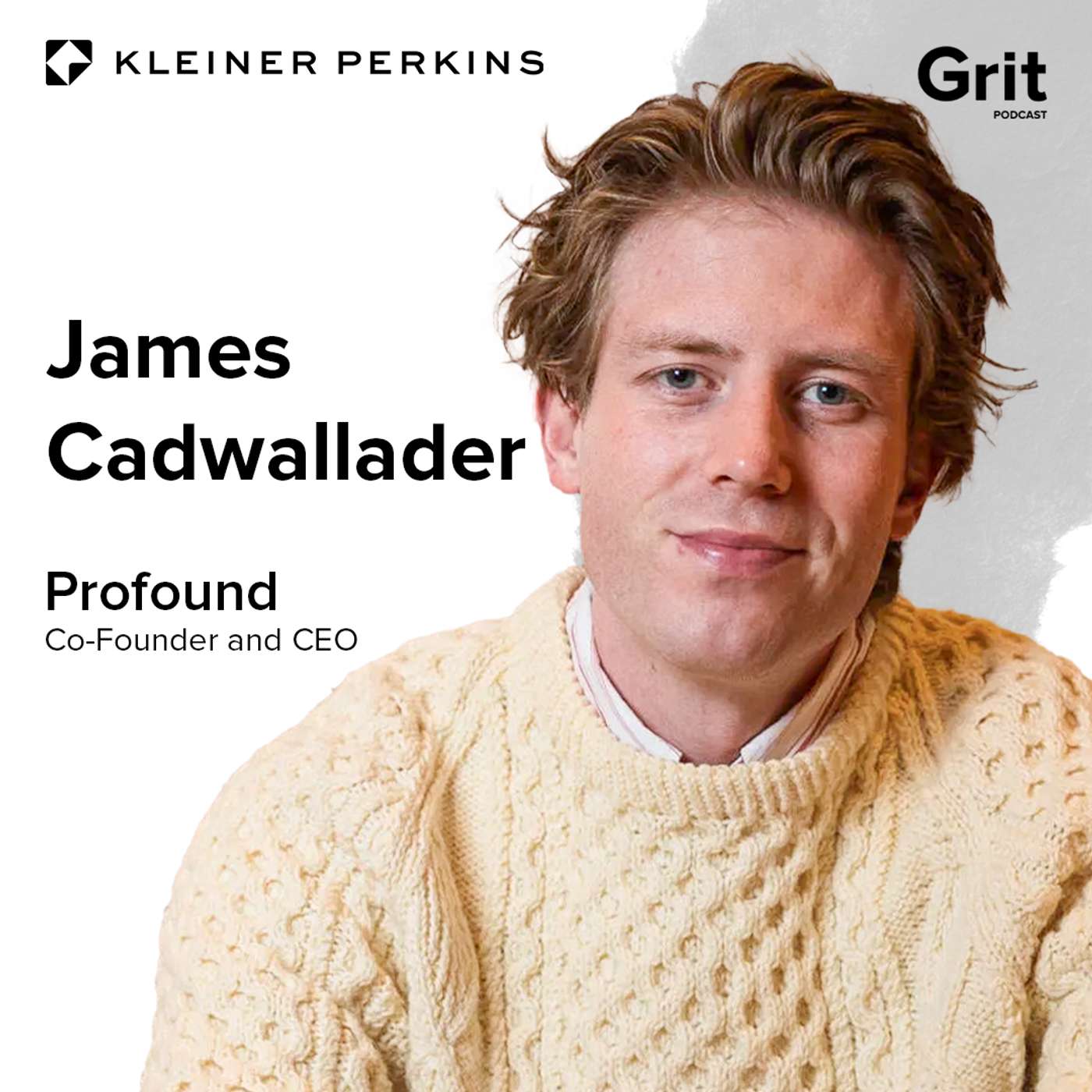
To overcome the bottleneck of hiring top engineers, Profound's founders take ridiculous photos with every new team member and post them on LinkedIn. This unconventional, human-centric tactic acts as an outward celebration that helps them stand out where talent has infinite options.
Counterintuitively, making content more specific makes it more relatable. While generalization seems inclusive, specific details (like "spending 3 hours editing a reel for 7 likes") allow a smaller, more dedicated audience to connect deeply and see themselves in the scenario.

If your execution skills are still developing, focus on demonstrating strong design taste. Find portfolios you admire and deconstruct them, asking why specific choices were made around spacing, color, and timing. This process builds your design intuition and signals to hiring managers that you have a high quality bar and are coachable.
Tailor your message by understanding what motivates your audience. Technical teams are driven to solve problems, while sales and marketing teams are excited by new opportunities. The core idea can be identical, but the framing determines its reception and gets you more engagement.

Don't shy away from industry-specific lingo in advertising. Using terms that only your target audience understands (e.g., "SLPs" for speech pathologists) acts as an immediate trust signal. It proves you're an insider who deeply understands their specific problems, making the message more resonant.

Injecting humor or pop culture references into interviews is not just for breaking the ice. It serves as a deliberate test for 'culture fit' by gauging a candidate's sense of humor, which strongly correlates with desirable traits like flexibility, curiosity, and friendliness that are difficult to assess directly.

Lovable's Head of Design treats a portfolio not as a document but as a product. He looks for an immediate "gut reaction" based on fundamental design quality like typography and composition. A portfolio that fails this initial, milliseconds-long test is quickly discarded, regardless of the projects within.

When hiring for creative roles like AI Product Manager, the resume itself is evaluated as a product. A generic, plain-text resume signals a lack of creativity and product taste. The design, clarity, and cohesive narrative it tells are direct demonstrations of the candidate's core skills.

Instead of showcasing a large volume of projects, radically cut down your portfolio to only the absolute best. Designer Matt Sellers cut over 87% of his work. This strategy ensures every piece raises the average quality, preventing weaker projects from creating negative signals for hiring managers.
Contrary to the 'mobile-first' mantra, focusing creative energy on a rich desktop experience is more effective for design portfolios. The target audience—hiring managers—is overwhelmingly likely to review candidates on a desktop. This allows for complex, hover-based interactions that better showcase craft without being constrained by mobile limitations.