Get your free personalized podcast brief
We scan new podcasts and send you the top 5 insights daily.
VEON's long history of navigating hyperinflation, coups, and currency debasement isn't a bug; it's a feature. This operational resilience, ingrained in the company's DNA, acts as a competitive moat that is nearly impossible for new entrants to replicate in these tumultuous markets.

Related Insights
While it operates a technology platform, the company's most durable competitive advantage comes from its long-standing integration with regulatory bodies like the SEC and FINRA. This compliance acceptance creates a massive barrier to entry that potential competitors cannot easily replicate with technology alone.

Investor Henry Ellenbogen favors two types of competitive advantages. First, hard-to-replicate physical assets like distribution networks, which are messy and time-consuming to build. Second, “soft” moats built on elite human systems for talent development, operational excellence (like the Danaher Business System), and sharp capital allocation. These are harder to see but just as powerful as physical scale.
![Henry Ellenbogen - Man Versus Machine - [Invest Like the Best, EP.452] thumbnail](https://megaphone.imgix.net/podcasts/498a0910-d6ea-11f0-aae4-8f837283e00f/image/9b60f0353346cd1b5cbd326c86e22287.jpg?ixlib=rails-4.3.1&max-w=3000&max-h=3000&fit=crop&auto=format,compress)
WP Engine thrived in commodity hosting by emphasizing human support. This became a powerful moat because VC-backed competitors, culturally and financially focused on high software margins, would never copy a strategy that required expensive human capital, even if it worked.

A sustainable competitive advantage is often rooted in a company's culture. When core values are directly aligned with what gives a company its market edge (e.g., Costco's employee focus driving superior retail service), the moat becomes incredibly difficult for competitors to replicate.
![[REPLAY] Paul Black - Gratitude, Fun, and Growth Stocks (Capital Allocators, EP.51) thumbnail](https://static.libsyn.com/p/assets/f/b/7/6/fb76e1c8bfb69e8dd959afa2a1bf1c87/CA_Square_logo_light_background_6.26.24.jpg)
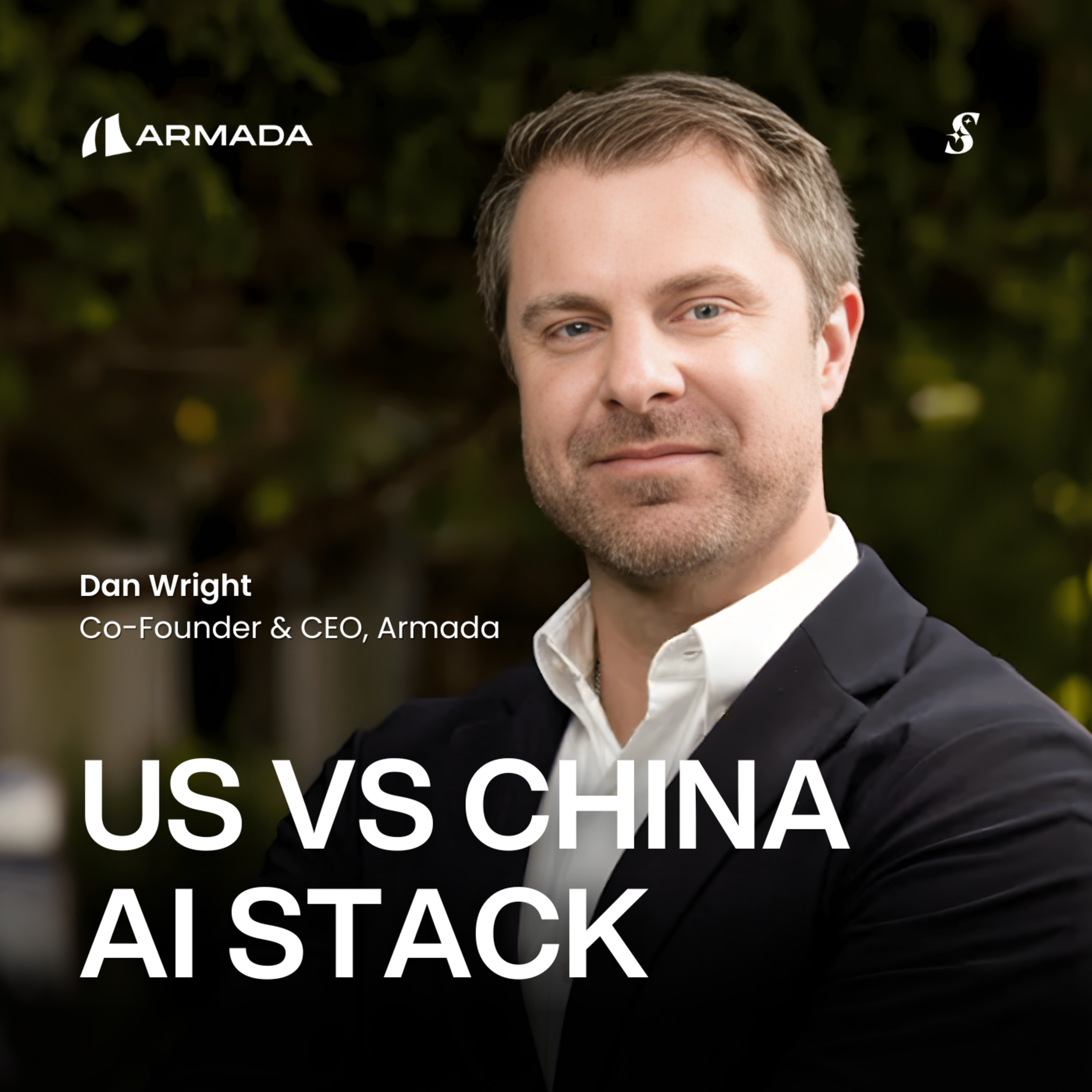
By successfully deploying data centers in the world's harshest locations—from Saudi deserts to the Arctic and aircraft carriers—Armada proves its technology's resilience. This creates a powerful competitive advantage and a high barrier to entry for competitors in the edge infrastructure market.
Unlike global giants like Amazon or Shopee which might de-prioritize Latin America during global recessions, MercadoLibre is fully committed to the region. This "no alternative" focus ensures it will invest through downturns, solidifying its market leadership against fair-weather competitors.

A key competitive advantage wasn't just the user network, but the sophisticated internal tools built for the operations team. Investing early in a flexible, 'drag-and-drop' system for creating complex AI training tasks allowed them to pivot quickly and meet diverse client needs, a capability competitors lacked.
VEON operates in markets where the average age is 22-29, compared to 40 in the US. With low internet and banking penetration, this young, growing population provides a powerful, long-term secular tailwind for data consumption and digital services adoption, independent of short-term market noise.
Defensible companies build systems of record (like an ERP) that are so integral to a customer's operations that switching is prohibitively difficult. This creates a 'hostage' dynamic, providing a powerful moat against competitors, even those with better AI features.

Beyond typical due diligence, a company's true defensibility can be measured with a simple thought experiment: if the business disappeared overnight, how severe would the impact be on its customers? A high level of disruption indicates a strong, defensible business model.
