Get your free personalized podcast brief
We scan new podcasts and send you the top 5 insights daily.
Trump's anti-communism rhetoric is a calculated response to the electoral success of democratic socialists. By labeling their platforms—which often resemble Scandinavian social democracy—as "communism," he aims to frighten voters and caricature a growing political movement.

Related Insights
Historically, murderous ideologies like those of Mao and Stalin gained traction by hiding behind benevolent promises ('free stuff'). This benign messaging makes them more deceptively dangerous than overtly aggressive ideologies like Nazism, which clearly signal their malevolence and are thus easier for the public to identify and reject.
The appeal of a populist leader lies in their rejection of traditional political norms. When the electorate feels betrayed by the established "political class," they gravitate toward figures whose rhetoric is a deliberate and stark contrast, signaling they are an outsider.

While both are terrible, a kleptocracy is a slow-motion problem within a capitalist framework that citizens can defend against. In contrast, communism is an acute, catastrophic failure of the entire economic engine, historically leading to mass death and starvation on an industrial scale.

The emotional core of modern socialist and communist appeal is resentment. The satisfaction is derived more from the act of confiscating wealth from the successful than from redistributing it to help others. This explains its persistence despite consistent historical and economic failures.

The ascent of the Democratic Socialists of America (DSA) is less about their ideas appealing to a broad base and more about the exceptional political and communication skills of leader Zoran Mamdani. He effectively taps into the frustrations of younger, downwardly mobile voters, similar to how Trump captured his base.

Contrary to their portrayal in US political debates, leaders from countries like Denmark explicitly state they run free-market economies, not socialist ones. Their model collapsed in the 1990s under socialist policies and was rebuilt on market principles with a broad tax base.

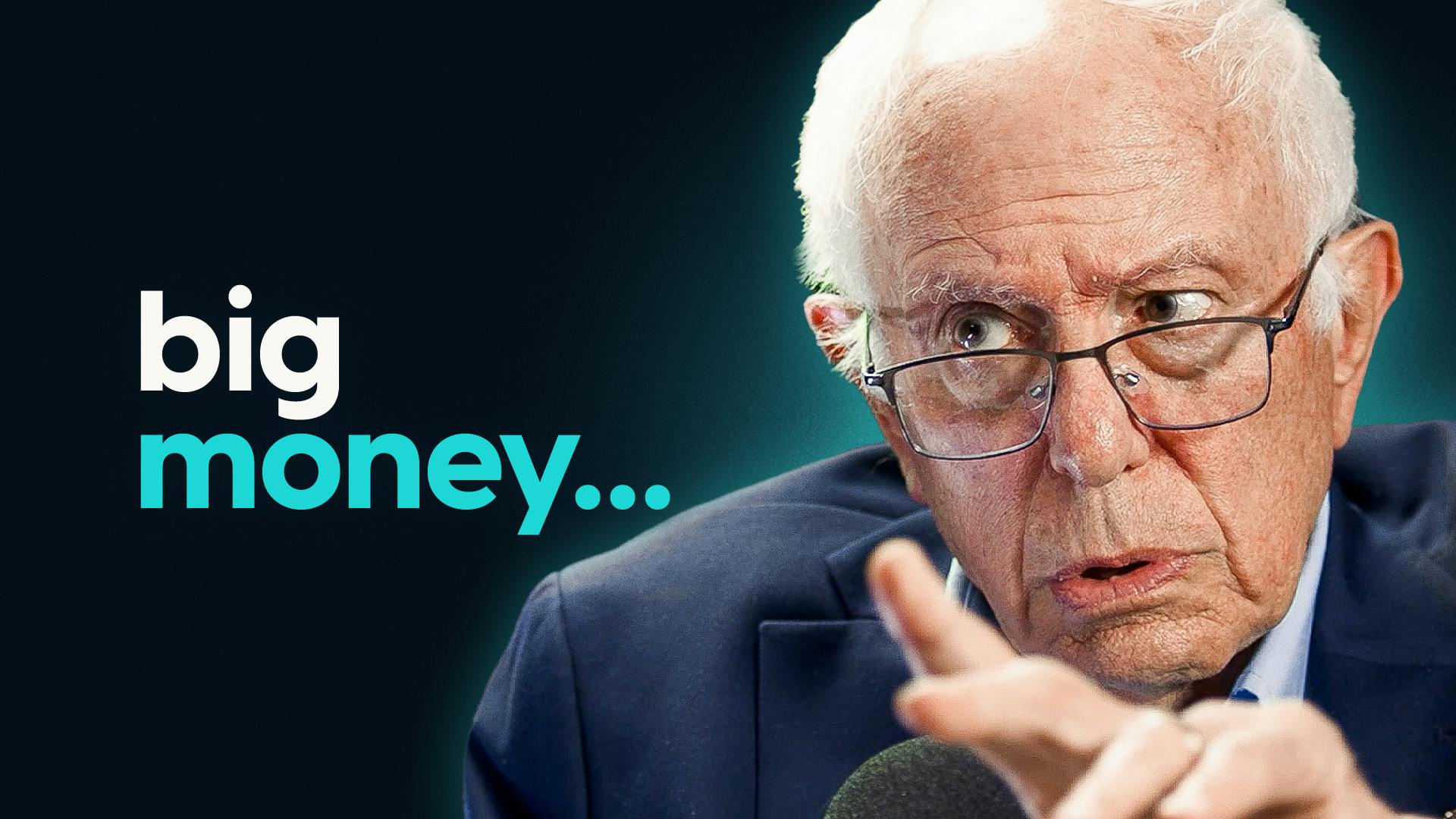
Senator Sanders describes a 'Stalinist type allegiance' within the Republican party, where dissent against Donald Trump is rare. Politicians fear that any criticism will result in them being targeted in primary elections by billionaire-funded challengers, creating a cult of personality that stifles independent thought.
The primary psychological driver behind socialist policies isn't altruism for the poor but a desire to penalize the wealthy. Understanding this distinction is key to predicting their political actions, as they will oppose policies that benefit everyone if they also benefit the rich.

A shared history, including painful memories, creates a powerful attachment to one's country. To take over, an ideology like communism must first erase or rewrite that history, demoralizing the populace and severing their attachment so society can be rebuilt in a new image.

Classifying Trump as anti-socialism is inaccurate. As the first president to send stimulus checks directly to millions of households, he demonstrated a non-ideological willingness to use massive government spending and direct payments to maintain popular support.
