Get your free personalized podcast brief
We scan new podcasts and send you the top 5 insights daily.
Liberty Mutual's structure as a mutual insurer, owned by policyholders instead of shareholders, eliminates pressure for short-term dividends and buybacks. This creates a pool of permanent capital that can be invested with a long-term perspective, focusing on correct, rather than expedient, decisions.
![Vlad Barbalat - Investing $120 Billion in Permanent Capital - [Invest Like the Best, EP.479] thumbnail](https://megaphone.imgix.net/podcasts/2152d90e-6ea2-11f1-bf4e-975e0e419694/image/fcbbe05dc456cfb6040005d3f6424c41.jpg?ixlib=rails-4.3.1&max-w=3000&max-h=3000&fit=crop&auto=format,compress)
Related Insights
Instead of just investing its insurance float, Apollo seeds origination platforms and raises outside capital. This structure applies fee-and-carry economics to the deals, effectively multiplying the return potential of its initial insurance capital.
![Apollo: Connoisseurs of Complexity - [Business Breakdowns, REPLAY] thumbnail](https://megaphone.imgix.net/podcasts/751ac386-23f6-11f1-a107-17c85419dc8d/image/ecab5b248ea686f932c2917b2f287ab8.png?ixlib=rails-4.3.1&max-w=3000&max-h=3000&fit=crop&auto=format,compress)
Eagle Capital's competitive edge isn't just stock picking; it’s built on 'duration'—a 35-year history, 5+ year holding periods, and long-term clients. This structural stability attracts top talent and creates a flywheel effect for sustained success in an increasingly short-term world.

Liberty Mutual's 'house view' deliberately avoids macroeconomic predictions. The focus is on preparing the portfolio for a wide range of outcomes and identifying long-term franchises to invest in, rather than betting on a single forecast. This builds resilience against unforeseen events.
Generating higher returns on the asset side of an insurer's balance sheet is not just about profit. It builds a 'fortress balance sheet,' which in turn allows the underwriting side to take on larger, more novel, and longer-tail risks that competitors cannot, creating a significant competitive advantage.
3G targets family-owned businesses because they often make better long-term decisions without quarterly pressures. Decisions that are negative ROI in the short term (e.g., entering new markets) compound positively over decades, creating more resilient and valuable enterprises.
![Alex Behring and Daniel Schwartz - Inside 3G Capital - [Invest Like the Best, EP.458] thumbnail](https://megaphone.imgix.net/podcasts/e08d17d8-0630-11f1-900f-af0896d80a14/image/dcbaadaaf3c949d9b9de61e9cbe5c91f.jpg?ixlib=rails-4.3.1&max-w=3000&max-h=3000&fit=crop&auto=format,compress)
Instead of taking more credit risk, Apollo leverages the long-term, stable nature of its insurance liabilities (8-9 years on average). This "secret asset" provides the flexibility to invest in complex or less liquid assets, capturing an "excess spread" unavailable to institutions like banks with short-term funding.
To prevent stagnation, large, stable institutions like Liberty Mutual must deliberately build a culture where employees are incentivized to be curious and take entrepreneurial risks. This requires a governance structure that supports, rather than punishes, such behavior, which is crucial for attracting novel opportunities.
The insurance-float investment model isn't copied more because it requires a principal's mindset. Agents must constantly explain decisions and get buy-in, constraining independent action. Principals, acting as if it's their own money, can endure the psychological discomfort of being different from the herd.
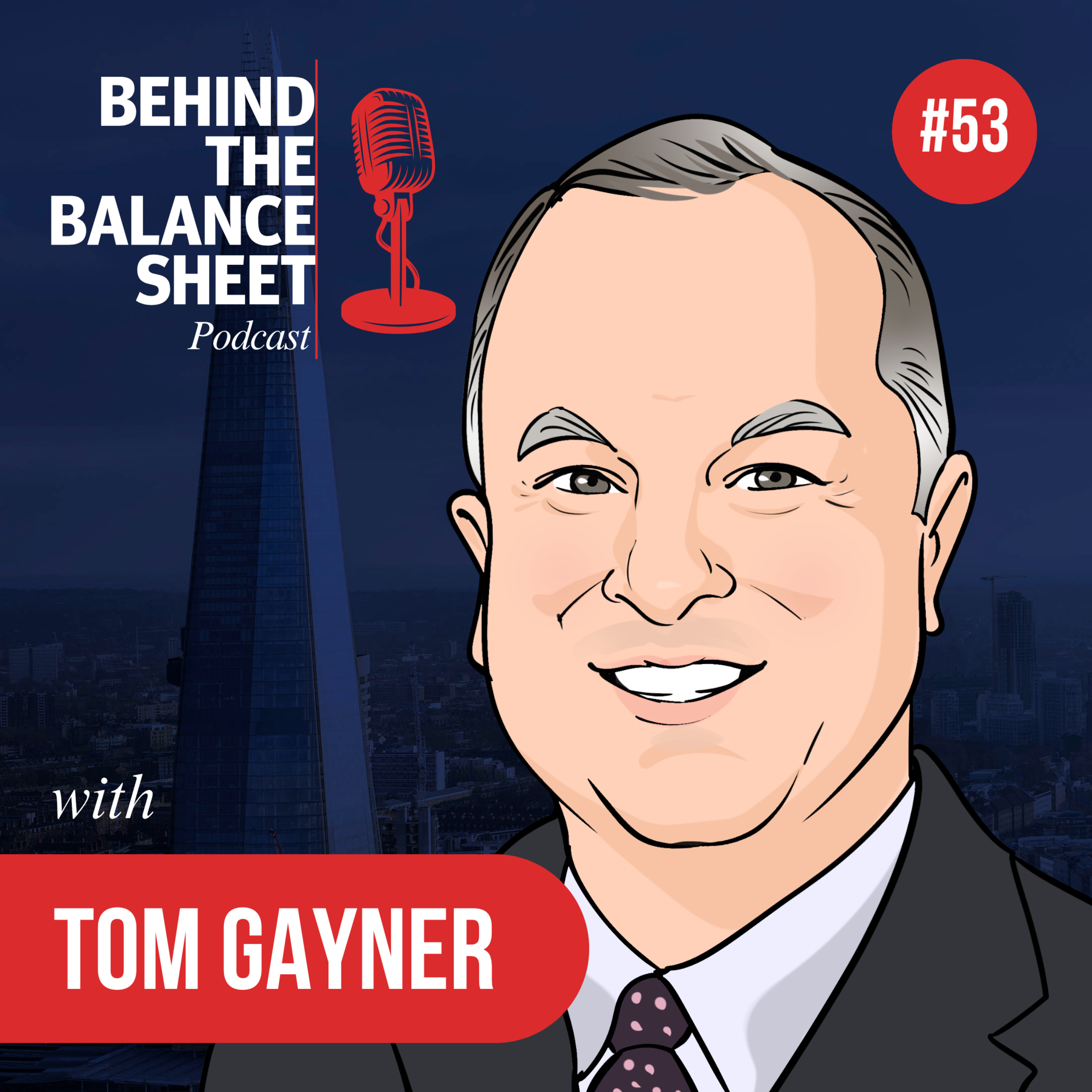
Vanguard's low-cost strategy is a direct result of its unique corporate structure. Since the company is owned by its fund investors, there's no incentive to generate profits for outside shareholders. Excess earnings are returned to customers via lower fees, a concept Jack Bogle called "strategy follows structure."
To enforce its long-term philosophy, the largest component of a portfolio manager's bonus at Capital Group is their 8-year performance record, while one-year results are the smallest factor. This structure insulates managers from short-term market pressures and gives them the necessary "time to be right" on their convictions.