Get your free personalized podcast brief
We scan new podcasts and send you the top 5 insights daily.
Following the ruling, Trump immediately invoked Section 122 of the Trade Act to impose a 10% tariff. This authority is limited—up to 15% for only 150 days. This creates a ticking clock for his administration to build more complex legal cases under other statutes, like Section 301, to make the tariffs permanent.

Related Insights
Despite a Supreme Court ruling against the president's broad reciprocal tariffs, the administration is expected to re-impose them using more targeted, sector-specific legal authorities. This means economic relief from lower tariffs will be short-lived, as the underlying protectionist policy stance remains.

A Supreme Court loss on using one specific law (IEPA) for tariffs would not end the administration's ability to wage a trade war. The executive branch has other laws it can use to impose levies, such as those allowing temporary or retaliatory tariffs, limiting but not eliminating its power.
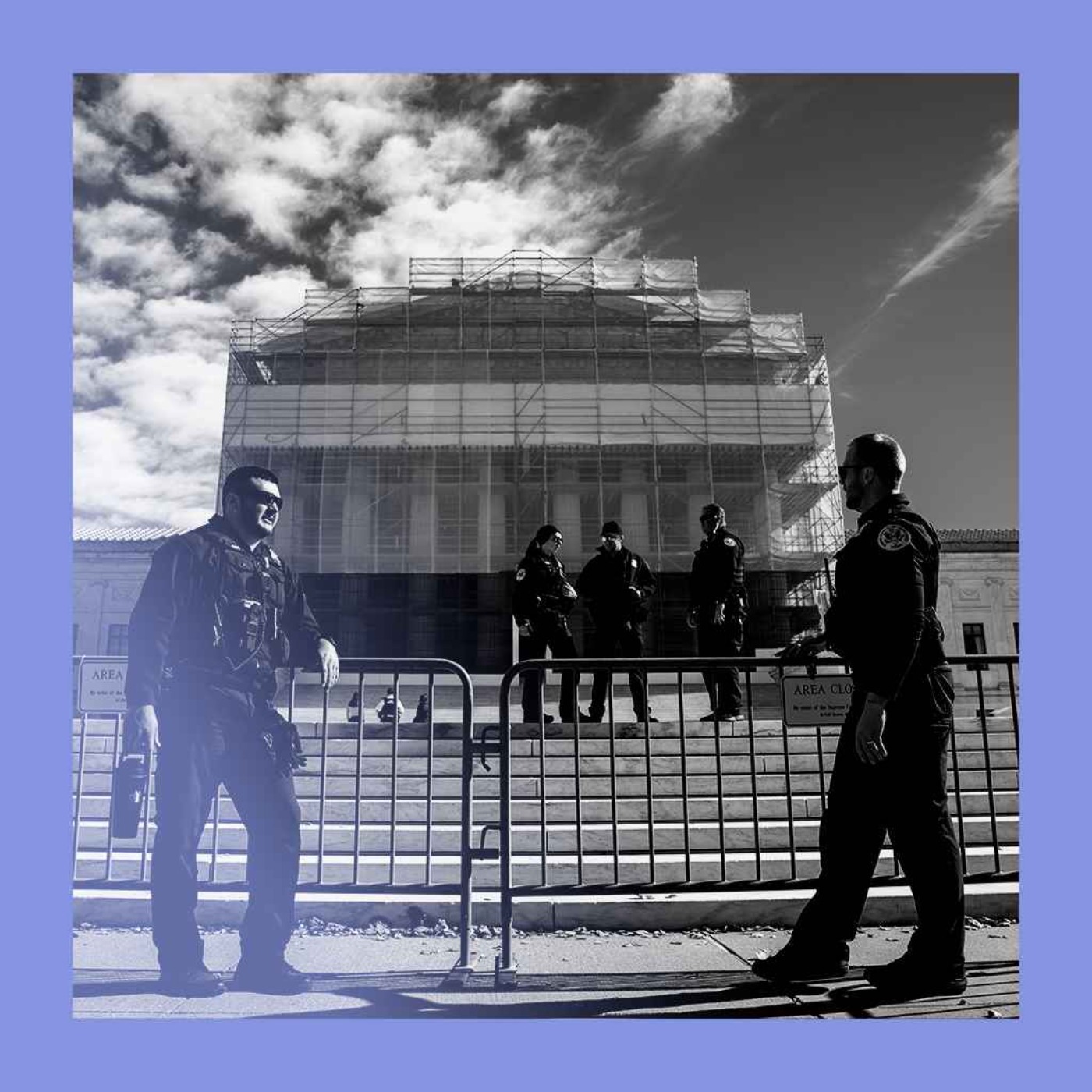
The legal theory previously used to strike down some of President Biden's policies is now being applied to Donald Trump's tariffs. The Court argues that for economically significant actions, the president needs explicit congressional authorization, which the 1977 law cited lacks.
The Supreme Court didn't eliminate all presidential tariff authority. It only ruled that the IEPA statute, used for two-thirds of his tariffs, does not grant this power. This leaves him able to use other laws, like Section 122 of the Trade Act, to reimpose tariffs, albeit with more constraints and difficulty.
Even if the Supreme Court rules against the administration, it may not change U.S. tariff levels. The executive branch has alternative legal authorities, like Section 301, that it can use to maintain the same tariffs, making a court defeat less of a market-moving event than it appears.

Stocks most affected by tariffs showed a muted reaction to a pending Supreme Court decision. This suggests investors believe the executive branch could use other authorities to maintain tariffs and that any potential refunds from an overturn would take years to materialize, diminishing the news's immediate market impact.
The Supreme Court ruling will trigger two massive waves of litigation. First, hundreds of thousands of companies will sue for refunds on billions in illegally collected tariffs. Second, new tariffs imposed under different authorities will face country-by-country legal challenges, creating a sustained boom for trade lawyers.
While the base case is that the President would replace tariffs struck down by the Supreme Court, there's a growing possibility he won't. The administration could use the ruling as a politically convenient way to reduce tariffs and address voter concerns about affordability without appearing to back down on trade policy.
Even if the Supreme Court rules against using emergency powers (IEPA) for tariffs, the President can use a patchwork of other legal authorities like Sections 122, 232, and 301. While this would curtail the ability to impose tariffs on a whim, it would still allow the administration to replicate the revenue effects.

Flexport CEO Ryan Petersen predicts the administration will exploit a loophole in Section 122 tariffs. This section allows the president to impose tariffs for a maximum of 150 days. Petersen expects the government will let the period expire, pause for a few minutes, and then immediately reinstate the tariffs for another 150 days, effectively making them permanent.
