A recent drop in female labor participation isn't due to women quitting jobs for family. Instead, a surge in post-COVID weddings has led to a mini baby boom, increasing the total population of new mothers and thus lowering the overall workforce participation rate.
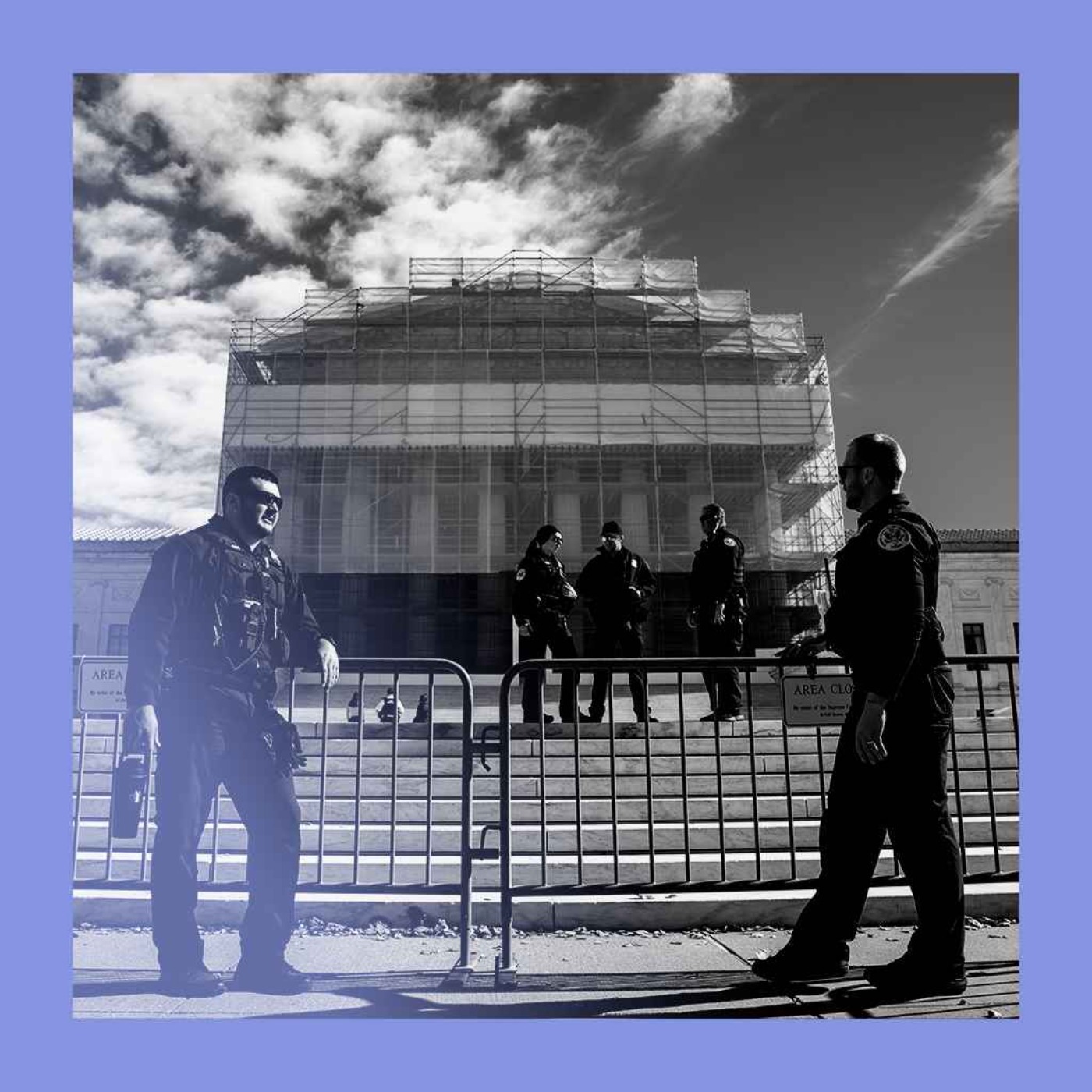
The legal theory previously used to strike down some of President Biden's policies is now being applied to Donald Trump's tariffs. The Court argues that for economically significant actions, the president needs explicit congressional authorization, which the 1977 law cited lacks.
Remote work during the pandemic made it easier for mothers to balance work and family, boosting their labor participation. As companies enforce return-to-office policies, the current cohort of new mothers may struggle to re-enter the workforce at the same rate as their predecessors.
The Economist's AI tool, SCOTUSBOT, successfully predicted the outcome of a major Supreme Court tariff case. It initially favored Trump but reversed its forecast after analyzing case briefs, becoming even more confident after processing the oral argument transcript, demonstrating AI's predictive power in law.
A Supreme Court loss on using one specific law (IEPA) for tariffs would not end the administration's ability to wage a trade war. The executive branch has other laws it can use to impose levies, such as those allowing temporary or retaliatory tariffs, limiting but not eliminating its power.
While manipulative design ("dark patterns") can increase conversions, it often scares away a larger pool of potential customers from starting a trial. A Stanford study found that offering auto-canceling trials, a more transparent approach, was ultimately more profitable.