Get your free personalized podcast brief
We scan new podcasts and send you the top 5 insights daily.
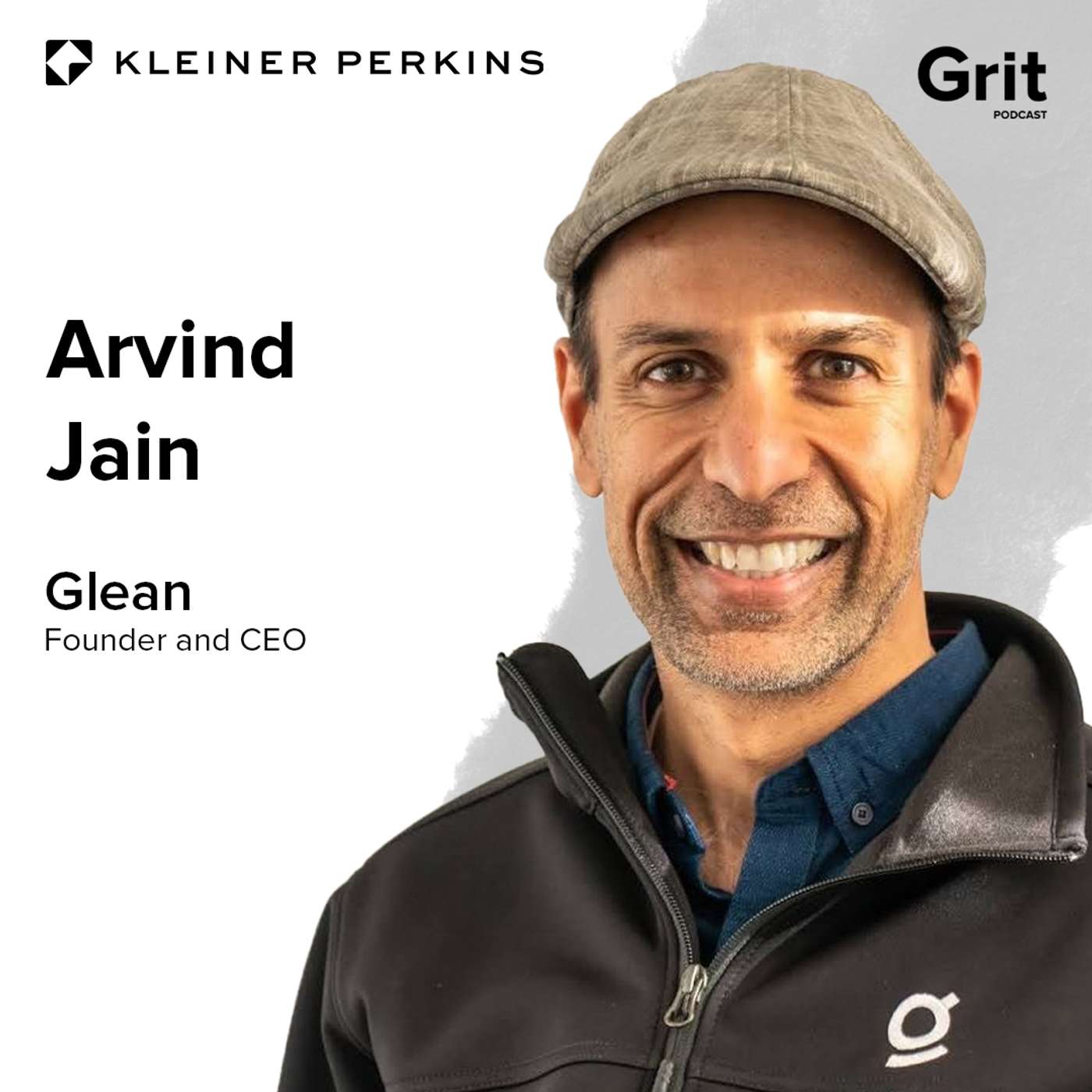
AI allows every company to expand its product surface area, creating messy overlaps with partners and competitors. Arvind Jain views this as a temporary phase. Ultimately, companies will realize they can't do everything and will have to refocus on their core strengths to compete effectively.
Related Insights
The AI market is becoming "polytheistic," with numerous specialized models excelling at niche tasks, rather than "monotheistic," where a single super-model dominates. This fragmentation creates opportunities for differentiated startups to thrive by building effective models for specific use cases, as no single model has mastered everything.

As startups build on commoditized AI platforms like GPT, product differentiation becomes less of a moat. Success now hinges on cracking growth faster than rivals. The new competitive advantages are proprietary data for training models and the deep domain expertise required to find unique growth levers.

As foundational AI models become more accessible, the key to winning the market is shifting from having the most advanced model to creating the best user experience. This "age of productization" means skilled product managers who can effectively package AI capabilities are becoming as crucial as the researchers themselves.

Snowflake's CEO views giants like OpenAI as "empires that have not met their oceans"—believing they can expand anywhere. To compete, companies must identify and avoid areas where these platforms have a natural 'right to win' (like coding agents), and instead build differentiated value elsewhere.

With AI models evolving rapidly, last year's tech is likely obsolete. CEO Arvind Jain argues a fixed "moat" prevents adaptation. The real moats are organizational agility—the speed at which you can replace old code—and deep customer partnerships where you co-create value.
The fear that large AI labs will dominate all software is overblown. The competitive landscape will likely mirror Google's history: winning in some verticals (Maps, Email) while losing in others (Social, Chat). Victory will be determined by superior team execution within each specific product category, not by the sheer power of the underlying foundation model.

The novelty of new AI model capabilities is wearing off for consumers. The next competitive frontier is not about marginal gains in model performance but about creating superior products. The consensus is that current models are "good enough" for most applications, making product differentiation key.

Obsessing over the next AI model is a distraction. Arvind Jain argues that even if model innovation stopped today, there are five years of massive growth ahead just from better applying existing capabilities. The real work is building valuable products on top of today's technology.
Despite the power of large foundation models from OpenAI and Anthropic, specialized AI companies like Cursor are succeeding. This suggests the AI market is a rapidly expanding pie, not a winner-take-all environment, where "transcendent" companies with superior product execution can capture significant value.
In a new, explosive market like AI, the initial phase is a 'land grab' focused on acquiring any and all users. As the market matures and competition intensifies, the strategy must shift to 'oil drilling'—identifying and focusing on specific, high-value customer segments where you have a unique advantage.