Get your free personalized podcast brief
We scan new podcasts and send you the top 5 insights daily.
Partners can use Lila's integrated AI and lab platform to run entire R&D programs, functioning as a 'zero-FTE startup.' This allows a small team with a scientific idea to achieve in months what a traditional biotech takes years and millions to accomplish, dramatically lowering the barrier to entry.

Related Insights
The combination of AI reasoning and robotic labs could create a new model for biotech entrepreneurship. It enables individual scientists with strong ideas to test hypotheses and generate data without raising millions for a physical lab and staff, much like cloud computing lowered the barrier for software startups.
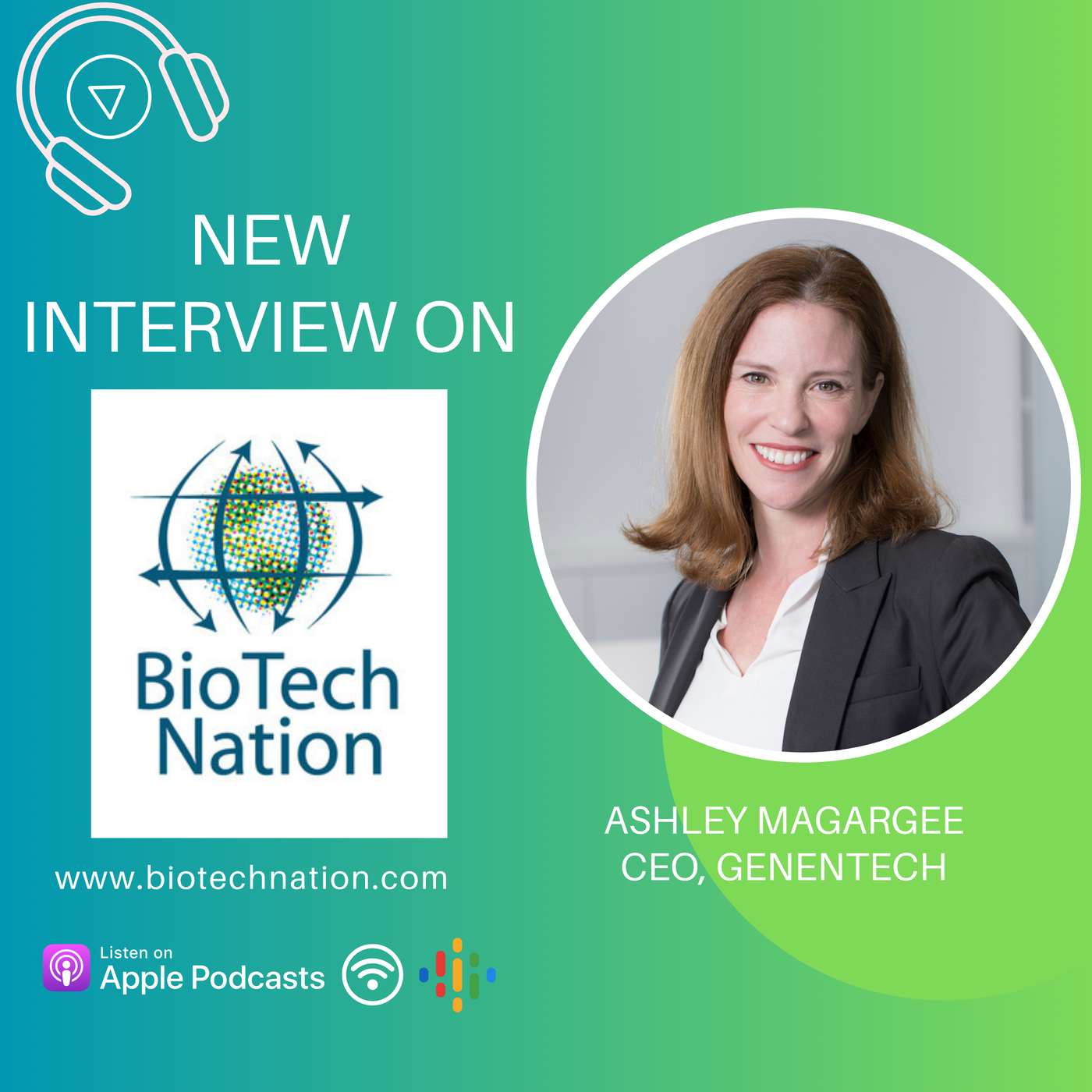
Genentech uses an iterative AI model where an algorithm predicts an experiment, scientists run it in a wet lab, and the results are fed back to improve the model. This human-in-the-loop system has dramatically increased R&D productivity, cutting molecule design time from a typical 36 months down to just 10.
Unlike traditional biotechs seeking pharma validation, Xaira's initial collaborations will be with tech companies for AI tools, lab automation, and compute. This reflects a strategy focused on building the core R&D engine first, seeking partners that accelerate platform development rather than provide capital.

To solve the critical challenge of hiring expensive, specialized talent, Curie.Bio offers its portfolio companies access to a 100+ person team of elite "drug makers" on a fractional, at-cost basis. This provides world-class expertise on demand without the burden of full-time payroll, de-risking early development.

Unlike traditional biotechs focused on drug assets, Lila's primary product is its core scientific reasoning AI model. The advanced automated lab exists solely as a 'token generator'—a data-creation engine whose output serves as the competitive moat by continuously making the model smarter.
Biotech companies create more value by focusing on de-risking molecules for clinical success, not engineering them from scratch. Specialized platforms can create molecules faster and more reliably, allowing developers to focus their core competency on advancing de-risked assets through the pipeline.

Traditional antibody optimization is a slow, iterative process of improving one property at a time, taking 1-3 years. By using high-throughput data to train machine learning models, companies like A-AlphaBio can now simultaneously optimize for multiple characteristics like affinity, stability, and developability in a single three-month process.
A new 'Tech Bio' model inverts traditional biotech by first building a novel, highly structured database designed for AI analysis. Only after this computational foundation is built do they use it to identify therapeutic targets, creating a data-first moat before any lab work begins.

Ginkgo Bioworks is not trying to build the AI that makes discoveries. Instead, its core strategy is to create the autonomous physical lab infrastructure—the "Waymo for science." This platform enables AI companies like OpenAI to direct experiments, positioning Ginkgo as the essential hardware layer for AI-driven research.

The future of biotech moves beyond single drugs. It lies in integrated systems where the 'platform is the product.' This model combines diagnostics, AI, and manufacturing to deliver personalized therapies like cancer vaccines. It breaks the traditional drug development paradigm by creating a generative, pan-indication capability rather than a single molecule.
