Get your free personalized podcast brief
We scan new podcasts and send you the top 5 insights daily.
Russo cites July trade figures showing US-bound exports fell from roughly 75% at the start of last year to about 66%. Carney is pursuing China, a probable India free-trade deal and EU talks, but Russo says the US will always remain Canada’s largest trade partner because of proximity and consumer wealth.

Related Insights
The US trade war with Canada is backfiring by damaging American champions like Ford while compelling Canada to forge new alliances with the EU, India, and China. This inadvertently creates market openings for China's car industry to expand globally, undermining US economic and geopolitical standing.

Canada's leadership faces a paradox: to achieve long-term economic independence from the U.S., it must first secure a trade deal with the Trump administration. This deal is needed to create the stability and investment environment necessary to reorient its economy towards other global partners.

By walking away from a crucial trade deal with the US—which accounts for 78% of its exports—Canada is committing economic suicide. The move, driven by national pride and a pivot toward China, ignores its massive economic dependency and will hurt Canada far more than the US.

Mexico is becoming deeply integrated into the US high-tech supply chain for AI servers and electronics, while Canada's traditional exports like autos and metals face rising US protectionism. This accelerating structural divergence is reshaping North American trade dynamics under the USMCA.

Canada's long-term economic strategy is built on the belief that the era of increasing integration with the US is permanently over. The leadership anticipates that future American politicians will find it difficult to remove trade barriers, necessitating a fundamental, long-term pivot for Canada's economy away from US dependency.
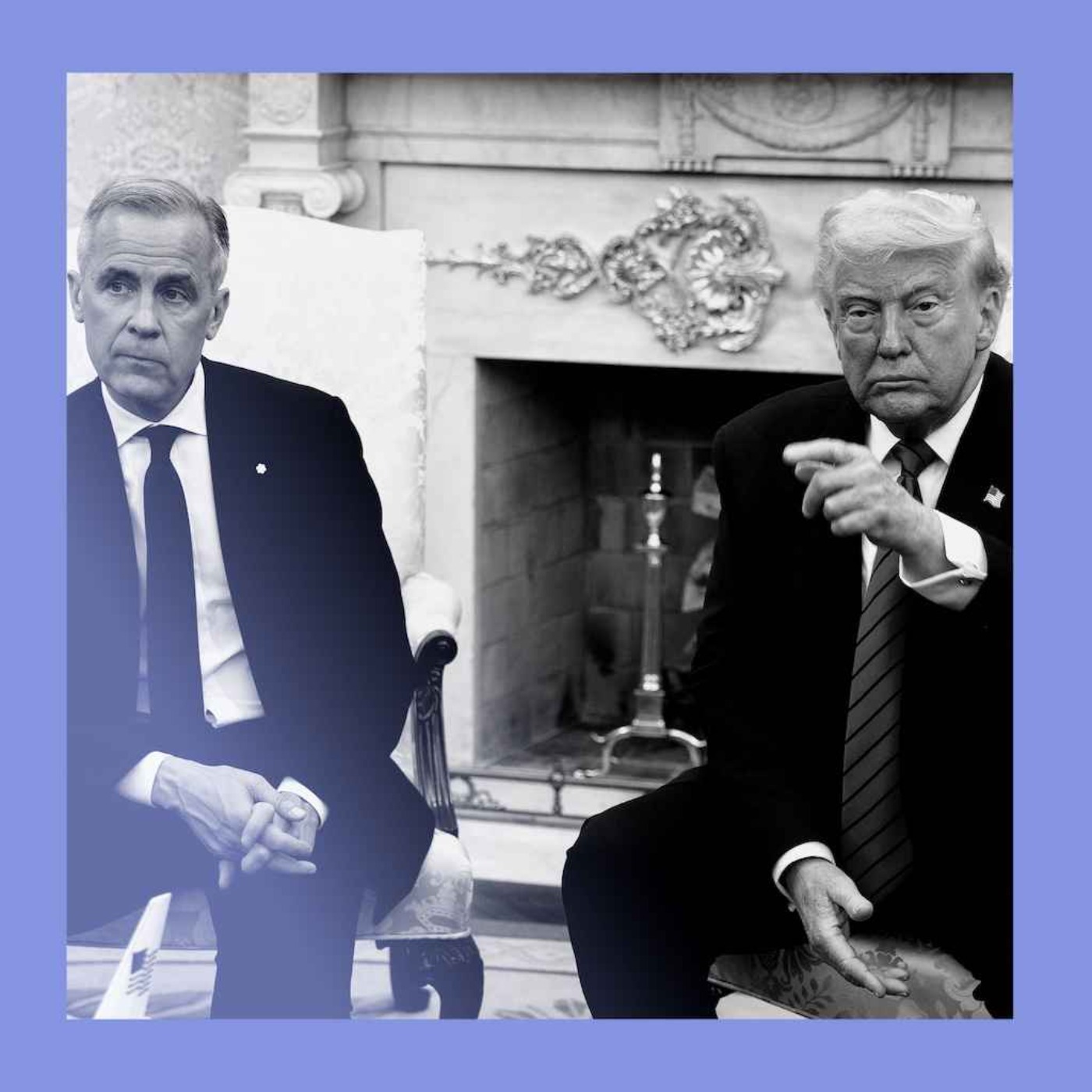
When trade policies force allies like Canada to find new partners, it's not a temporary shift. They build new infrastructure and relationships that won't be abandoned even if the political climate changes. The trust is broken, making the economic damage long-lasting and difficult to repair.

Facing potential US trade hostility, Canada is pursuing an "associate member" relationship with the European Union. This strategic pivot puts the $750 billion in US-Canada commerce in play, creating a massive opportunity for European businesses to displace American suppliers and gain market share.

While U.S.-Canada trade appears balanced dollar-for-dollar, the U.S. benefits disproportionately. America exports high-margin, high-PE products like software and financial services, while importing lower-margin physical goods like timber and oil. This asymmetry creates significantly more shareholder value for U.S. companies.

A trade war with Canada, the U.S.'s biggest customer for 60 years, is nonsensical. The economies are deeply intertwined, with components like auto parts crossing the border up to eight times for a single finished product. Disrupting this relationship is both impractical and self-destructive.
In response to unpredictable US tariffs, Canada is fast-tracking infrastructure projects, like new pipelines to its west coast. This strategic shift aims to reduce its heavy reliance on the US market (where 90% of its oil was sent) and open up direct access to Asian and European buyers.