Get your free personalized podcast brief
We scan new podcasts and send you the top 5 insights daily.
The objective, high-pressure environment of competitive math contests cultivates a first-principles problem-solving mindset and intense competitive drive. This background proves to be a powerful, if unconventional, training ground for founders navigating the hyper-competitive AI startup landscape.
![Jesse Zhang - Building Decagon - [Invest Like the Best, EP.443] thumbnail](https://megaphone.imgix.net/podcasts/2cc4da2a-a266-11f0-ac41-9f5060c6f4ef/image/7df6dc347b875d4b90ae98f397bf1cb1.jpg?ixlib=rails-4.3.1&max-w=3000&max-h=3000&fit=crop&auto=format,compress)
Related Insights
When hiring, top firms like McKinsey value a candidate's ability to articulate a deliberate, logical problem-solving process as much as their past successes. Having a structured method shows you can reliably tackle novel challenges, whereas simply pointing to past wins might suggest luck or context-specific success.
The ability to distill a complex subject down to its essential principles (like "algebra in five pages") is a rare and powerful skill. It enables faster learning, better communication, and clearer product vision, often outperforming the ability to perform intricate calculations.

Mirror's founder credits her ballerina training for her entrepreneurial grit. Unlike sports with clear wins, ballet fosters internal discipline, resilience to constant criticism, and a focus on daily, incremental improvement without external validation—all core traits of a successful founder.
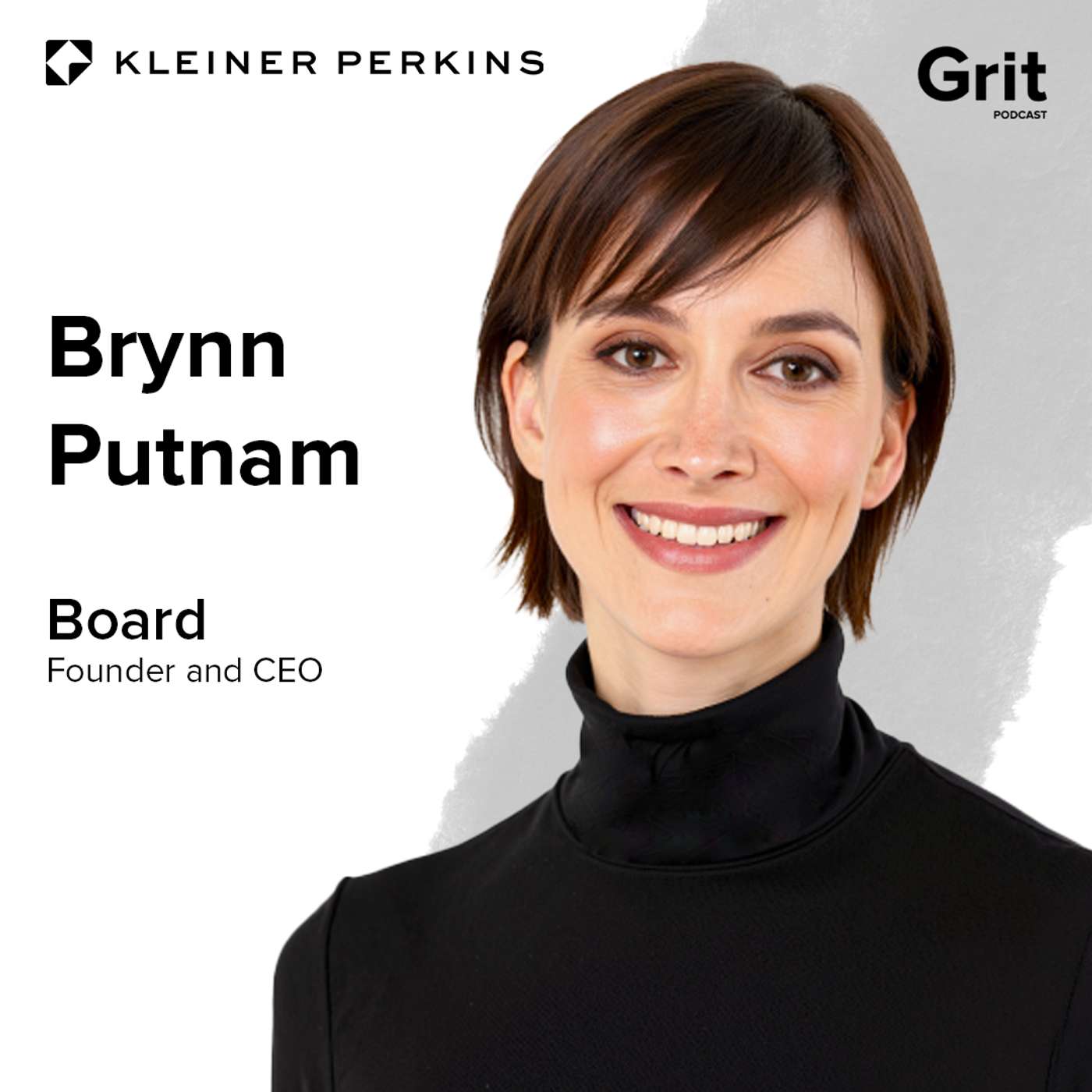
To gauge a founder's drive and potential for greatness, ask if they have ever been in the top 1% of any field, even an esoteric one. This unconventional question serves as a powerful proxy for ambition and the willingness to push through challenges, regardless of their professional background.
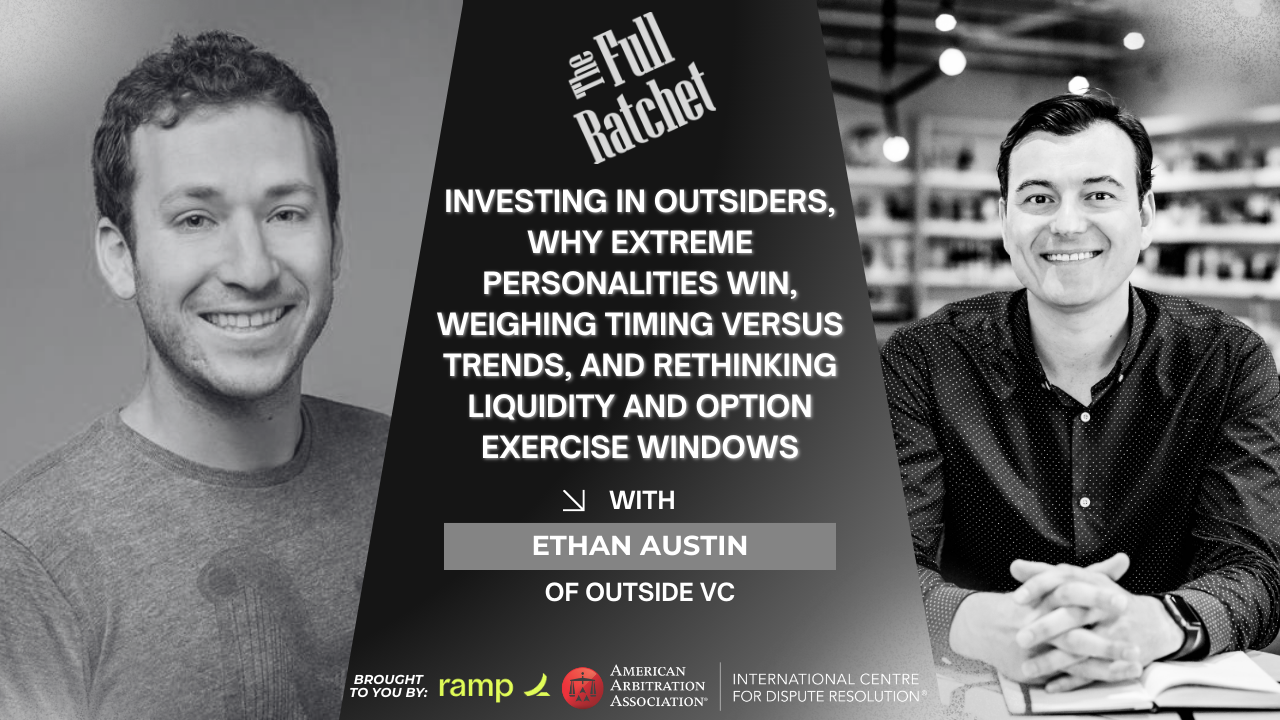
Musk's success stems from his unique ability to attract hyper-intelligent, maniacally driven individuals. These people are drawn to his high-stakes, high-pressure environment, choosing to "burn out under Musk" rather than be bored elsewhere, creating an unparalleled human capital advantage.

In an era defined by notifications and multitasking, a founder's ability to block out all distractions for extended periods is a profound competitive advantage. This deep, rigorous focus allows them to solve complex problems at a level that is increasingly rare and valuable.
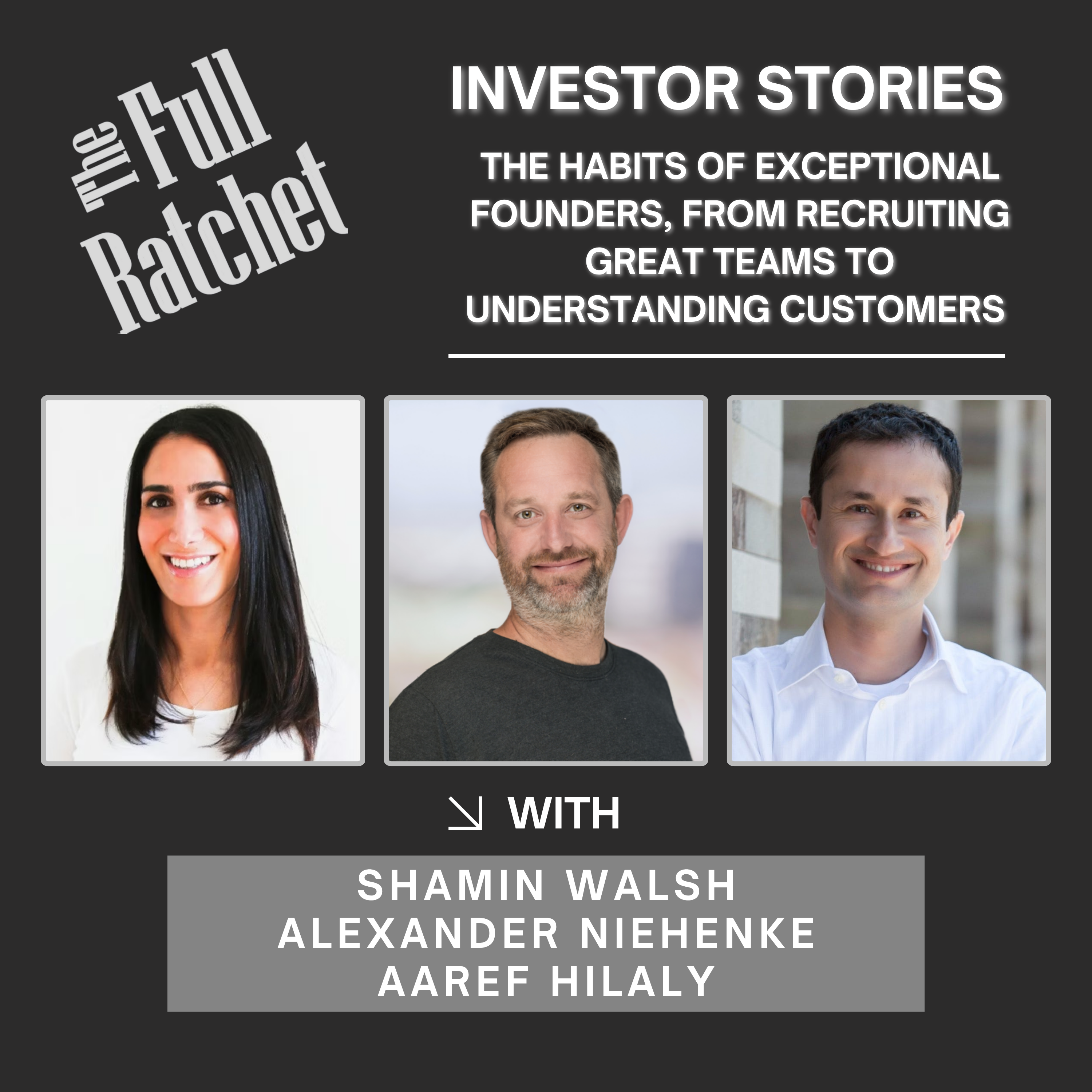
Aravind Srinivas intentionally avoids hiring candidates with established track records from large tech companies. He believes people hungry for their first major success are more motivated and better suited for a startup's intensity than those who may be less driven after a previous big win.

At the start of a tech cycle, the few people with deep, practical experience often don't fit traditional molds (e.g., top CS degrees). Companies must look beyond standard credentials to find this scarce talent, much like early mobile experts who weren't always "cracked" competitive coders.
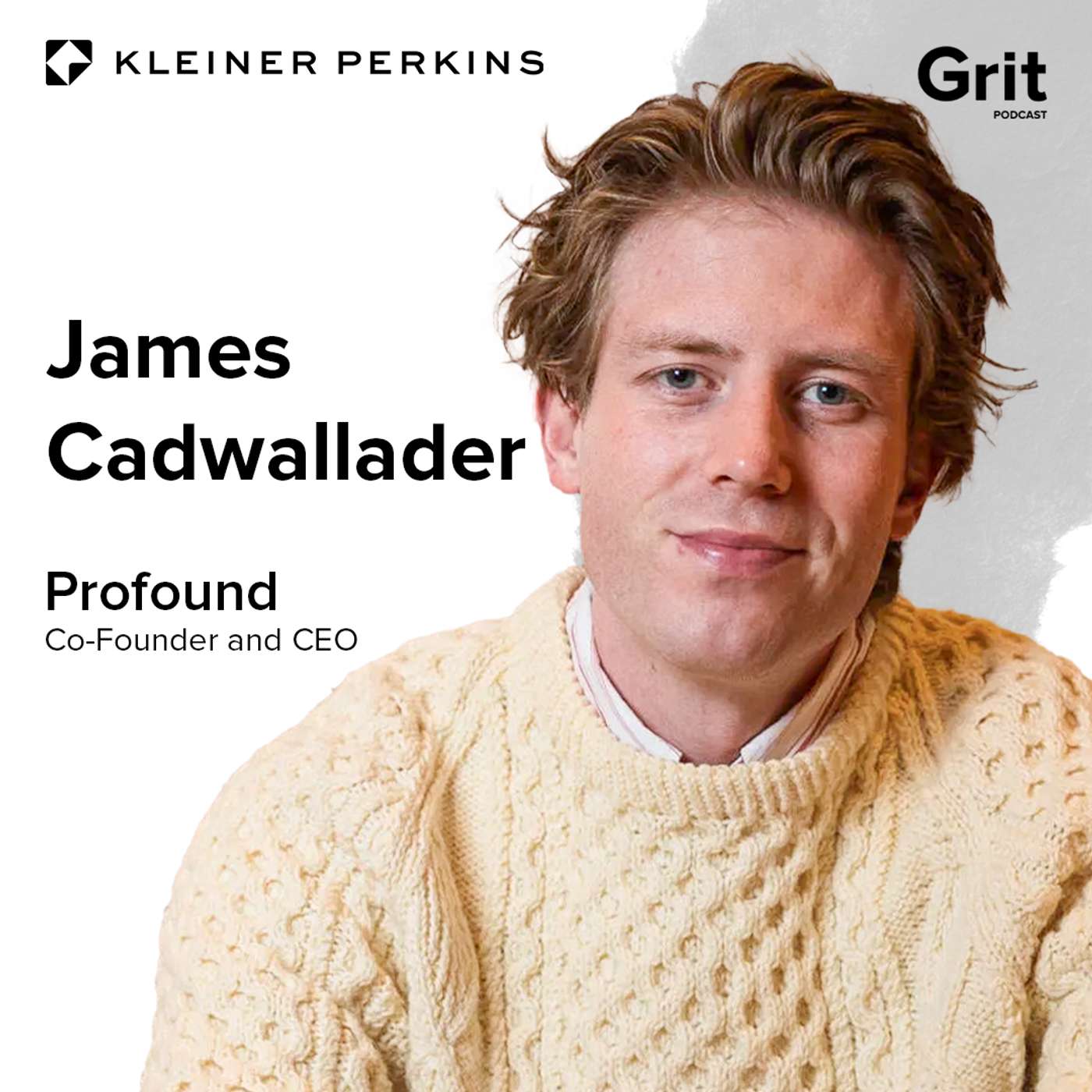
For cutting-edge AI problems, innate curiosity and learning speed ("velocity") are more important than existing domain knowledge. Echoing Karpathy, a candidate with a track record of diving deep into complex topics, regardless of field, will outperform a skilled but less-driven specialist.

Periods of intense technological disruption, like the current AI wave, destabilize established hierarchies and biases. This creates a unique opportunity for founders from non-traditional backgrounds who may be more resilient and can identify market needs overlooked by incumbents.