Get your free personalized podcast brief
We scan new podcasts and send you the top 5 insights daily.
Unlike Apple's model of planned obsolescence, HexClad offers lifetime guarantees on its core cookware. The goal isn't to make customers repurchase the same item, but to build enough trust that they expand into new product categories like knives and cutting boards, thus driving long-term value.

Related Insights
In its early days, Malwarebytes sold perpetual licenses for $25 as "donationware." The company continues to honor these licenses for anyone who supported them between 2008 and 2014, a commitment that has fostered deep customer loyalty and a powerful, trusted brand.
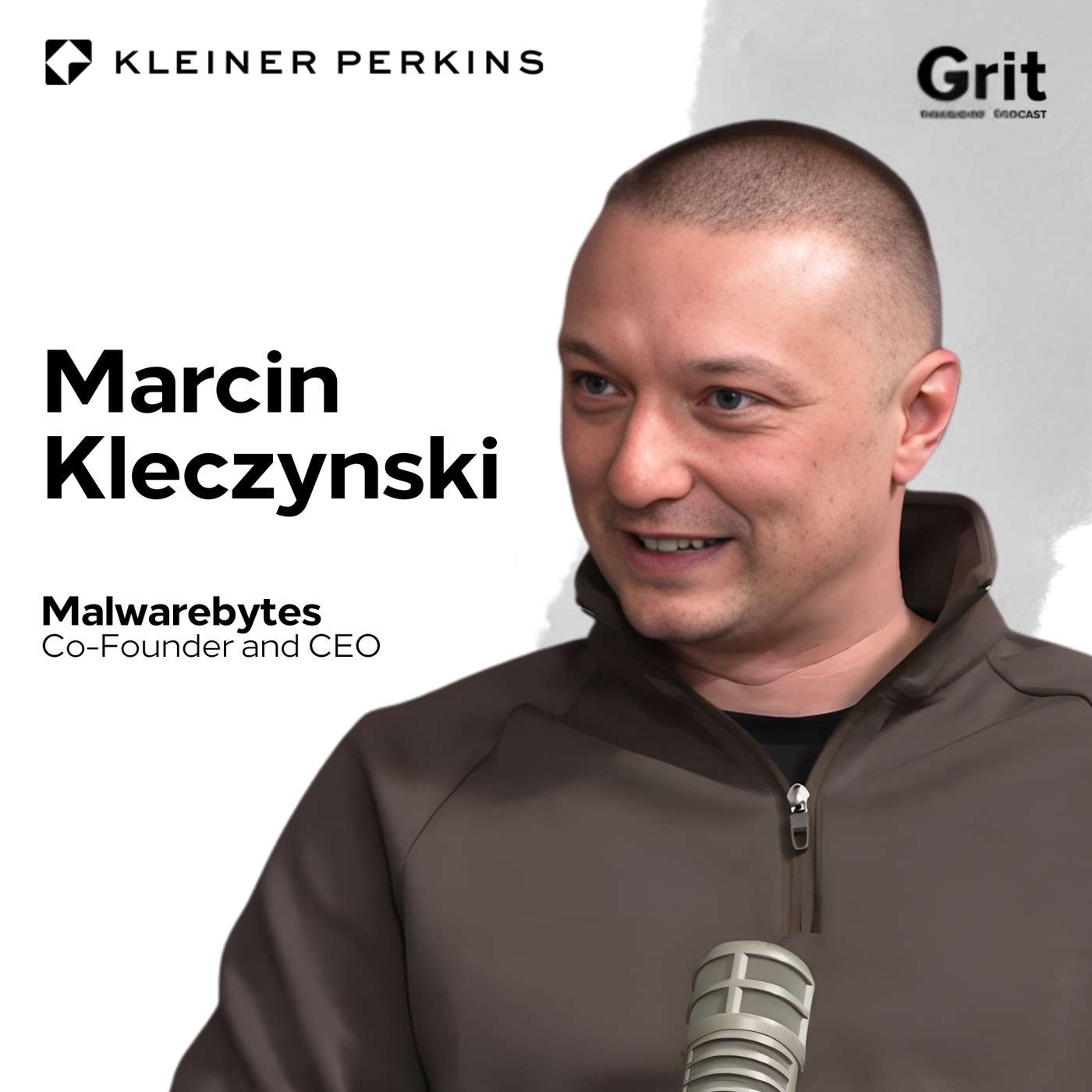
Kōv Essentials acknowledges its clips are expensive. A key strategy to overcome price objections is their post-purchase experience. They offer a simple warranty: if a clip breaks, they send a new one for free. This protects the customer's investment, signals product quality, and builds loyalty beyond the initial sale.
Consumers are aware of "enshittification"—where products worsen after capturing a market. A powerful marketing strategy is to actively campaign on the promise of not doing this. By highlighting a commitment to maintaining quality and customer experience, a brand can build immense trust and loyalty.

A lifetime guarantee seemingly caps customer value. Betty Studios overcomes this by expanding into new product categories (raincoats, knits) to meet other customer needs. This shifts the LTV driver from buying replacements to buying complementary items, while also enabling entry into new global markets.

To foster customer lifetime value despite offering a lifetime warranty, Peak Design focuses on horizontal product line extension. Instead of encouraging replacements of existing gear, they introduce new products that solve different problems for their core customer, successfully getting their average customer to own over seven distinct items.
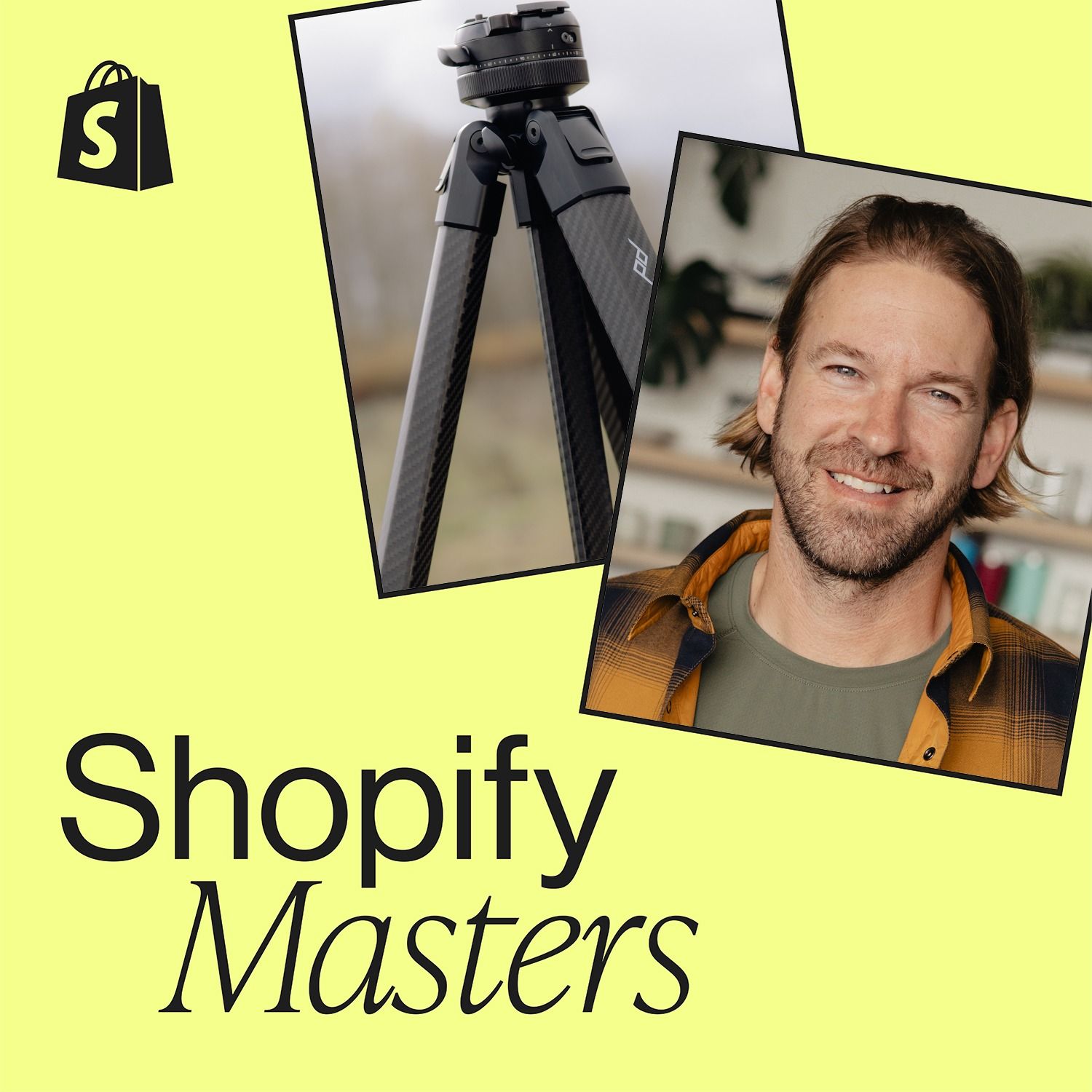
HexClad's product expansion follows a strict binary rule: if they can't completely reinvent a product's function (like their pepper mill), they focus on making it the most aesthetically pleasing, "badass" version available (like their knives). Products that fit neither category are not pursued.
In a business where purchases are event-driven, typical 90-day repeat metrics don't apply. The Black Tux plays the long game, recognizing that a high percentage of orders (30-40%) come from past customers over a multi-year period, requiring patience and a focus on long-term brand loyalty.
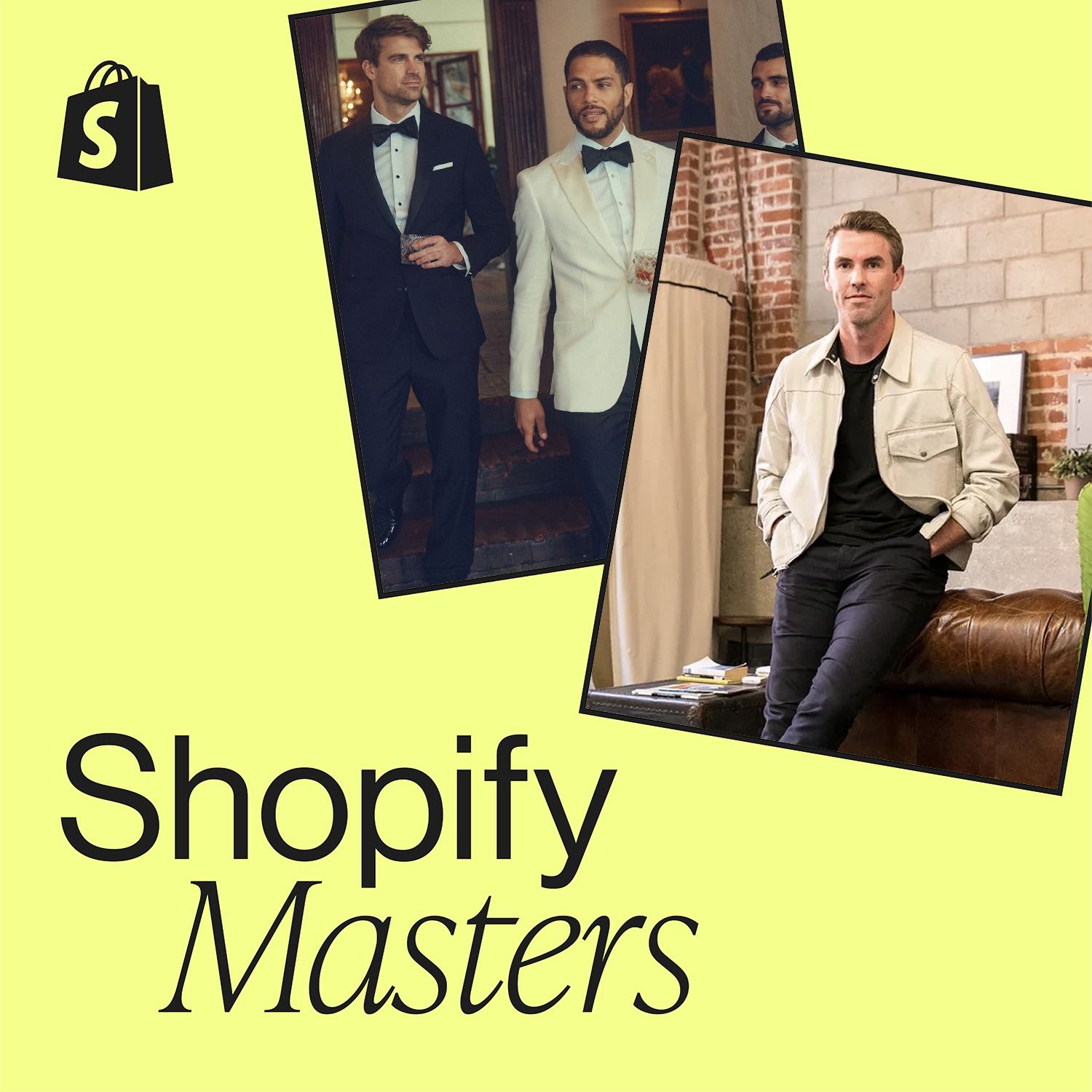
For high-quality, durable goods that customers buy only once, the standard DTC model is challenging. Growth depends not on repeat purchases of the core product, but on building an ecosystem of valuable accessories and add-ons to increase customer lifetime value and create recurring revenue streams.

Don't just sell a product; become an indispensable part of your customer's workflow. By offering integrated products and services, you create a value ecosystem that locks out competitors and makes leaving an impractical and undesirable option.

Hexclad rejects the Apple model of products that "wear out in three years." Instead, they model themselves after 1980s Sony, where brand trust was paramount. By offering lifetime guarantees, they aim to have customers buy their entire ecosystem based on trust, not a forced upgrade cycle.
