Get your free personalized podcast brief
We scan new podcasts and send you the top 5 insights daily.
Severe nausea from the Claudin-18.2 antibody zolbetuximab dropped from ~20% in early trials to zero in a recent study. This was achieved not by changing the drug, but by clinicians learning and applying more effective proactive antiemetic strategies, demonstrating the power of evolving supportive care.

Related Insights
Prophylactically administering tocilizumab before bispecific antibody treatment can slash the incidence of cytokine release syndrome (CRS) from ~75% down to 20%. This simple intervention, analogous to using G-CSF for neutropenia, mitigates side effects and makes outpatient administration a much safer and more feasible option for patients.
TDXD is highly emetogenic. Adding low-dose olanzapine to the standard three-drug antiemetic prophylaxis regimen is a transformative strategy that significantly reduces both acute and delayed nausea, making the potent therapy much more tolerable for patients.
Due to fedratinib's significant GI side effect profile and the logistical difficulty of measuring thiamine levels, clinicians should proactively provide patients with thiamine supplements, anti-emetics, and anti-diarrheal therapies. Instructing patients to take the drug with food can also help mitigate GI toxicity.
Drawing lessons from T-DXD, experts treat newer exatecan-payload ADCs like RDXD as highly emetogenic from the first dose. Instead of a 'wait and see' approach, they recommend aggressive premedication with a triple-drug antiemetic regimen to prevent nausea and maintain quality of life.
While better tolerated than chemotherapy, daraxon-rasib's unique toxicity profile (rash, stomatitis) requires a clinical management shift. Oncologists must proactively use strategies like prophylactic antibiotics, a departure from managing typical chemotherapy-induced myelosuppression.

New targeted therapies like Zanidatamab and Zolbetuximab show great promise but cause significant side effects like diarrhea and nausea. Their successful clinical adoption hinges on proactive management using detailed guidelines and prophylactic medications, as toxicity can be severe enough to force treatment discontinuation despite the drug's efficacy.
Clinicians are finding that forgoing the standard 800mg loading dose of zolbituximab and starting directly with the 600mg maintenance dose appears to mitigate acute gastrointestinal toxicity, particularly gastritis. This practical adjustment is being formally studied but is already used in practice to improve patient experience.
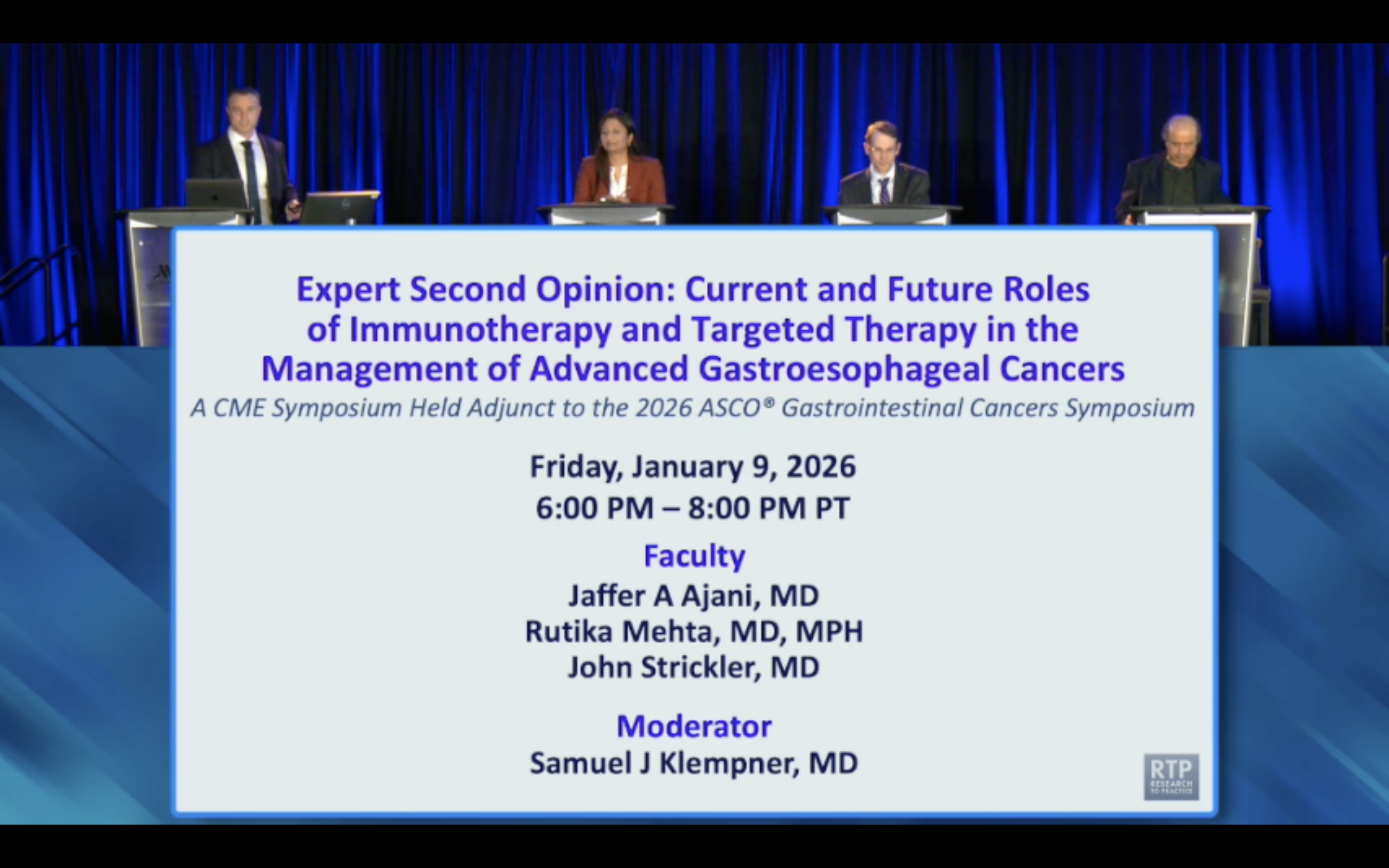
For managing nausea from ADCs like TDXD, a three-drug prophylactic regimen (steroid, 5-HT3 antagonist, NK1 inhibitor) is recommended. For delayed nausea, continuing the 5-HT3 antagonist on days two and three is often effective before needing to add agents like olanzapine.
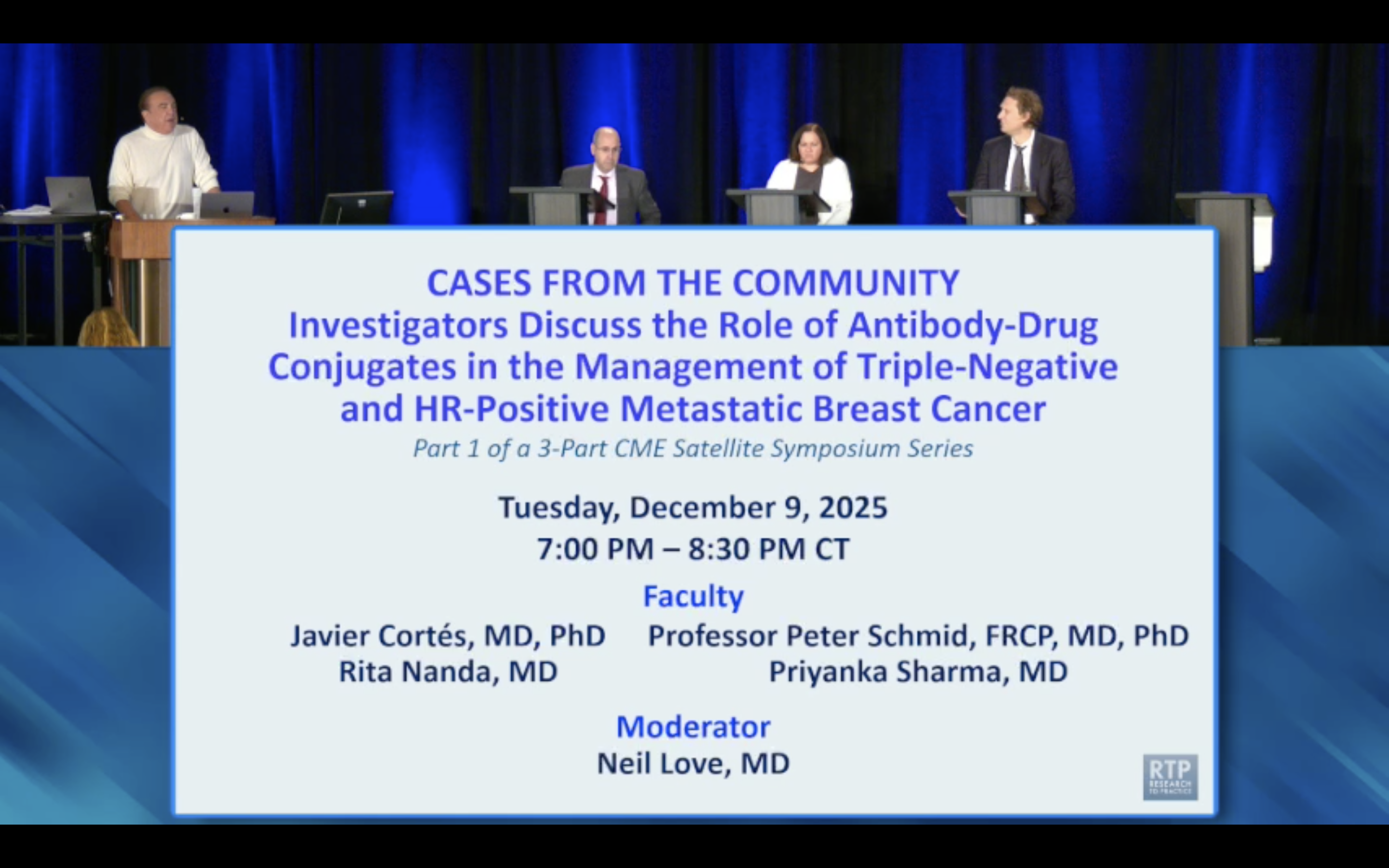
For nausea associated with the ADC TDXD, clinicians find adding low-dose olanzapine (2.5mg at bedtime) is a highly effective strategy for both acute and delayed nausea. This practical tip improves tolerability beyond standard three-drug prophylaxis.
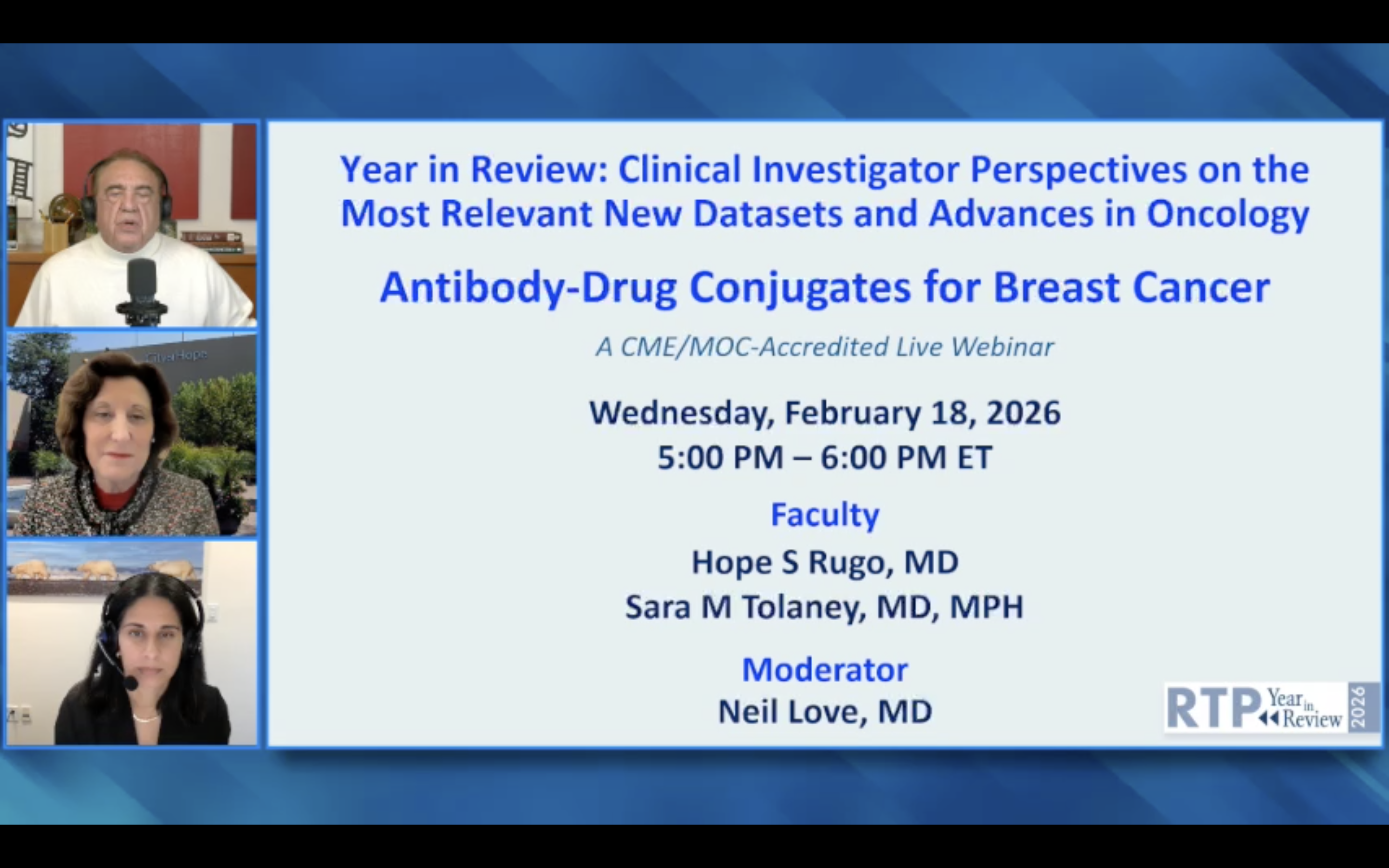
Experienced oncologists are omitting the standard loading dose of Zolbetuximab, suspecting it causes acute gastritis. They start directly with the maintenance dose, reporting better patient tolerance. This off-label practice is now being investigated in a randomized trial.
