Get your free personalized podcast brief
We scan new podcasts and send you the top 5 insights daily.
The pressure to create something "great" can be paralyzing. To move forward, you must let go of the grand vision and humbly focus on the immediate task: writing one page, then another. The work is accomplished in small, consistent steps, not by trying to manifest a masterpiece from the start.

Related Insights
No one gets 'plumber's block' because their work isn't tied to inspiration. The paralysis creators feel is a fear of creating something imperfect. The only way through is to produce the 'bad writing,' because some good writing will inevitably slip through the volume of work.
Lamott's core teaching isn't about achieving excellence but about overcoming the inertia of inaction. By giving oneself permission to write badly—to create "shitty first drafts"—creators can get into the chair and produce material, which is the necessary first step.

When overwhelmed with ideas for a new project, the crucial first step is to capture, not create. Use a structured method, like a canvas, to extract chaotic thoughts from your head and turn them into a tangible, reviewable asset. This prevents paralysis and is the necessary prerequisite to building anything.

When feeling intensely stuck, the most effective strategy is to lower the barrier to action as much as possible. Setting a tiny goal, like writing for just one minute, can overcome the initial inertia and lubricate the process for more substantial work.
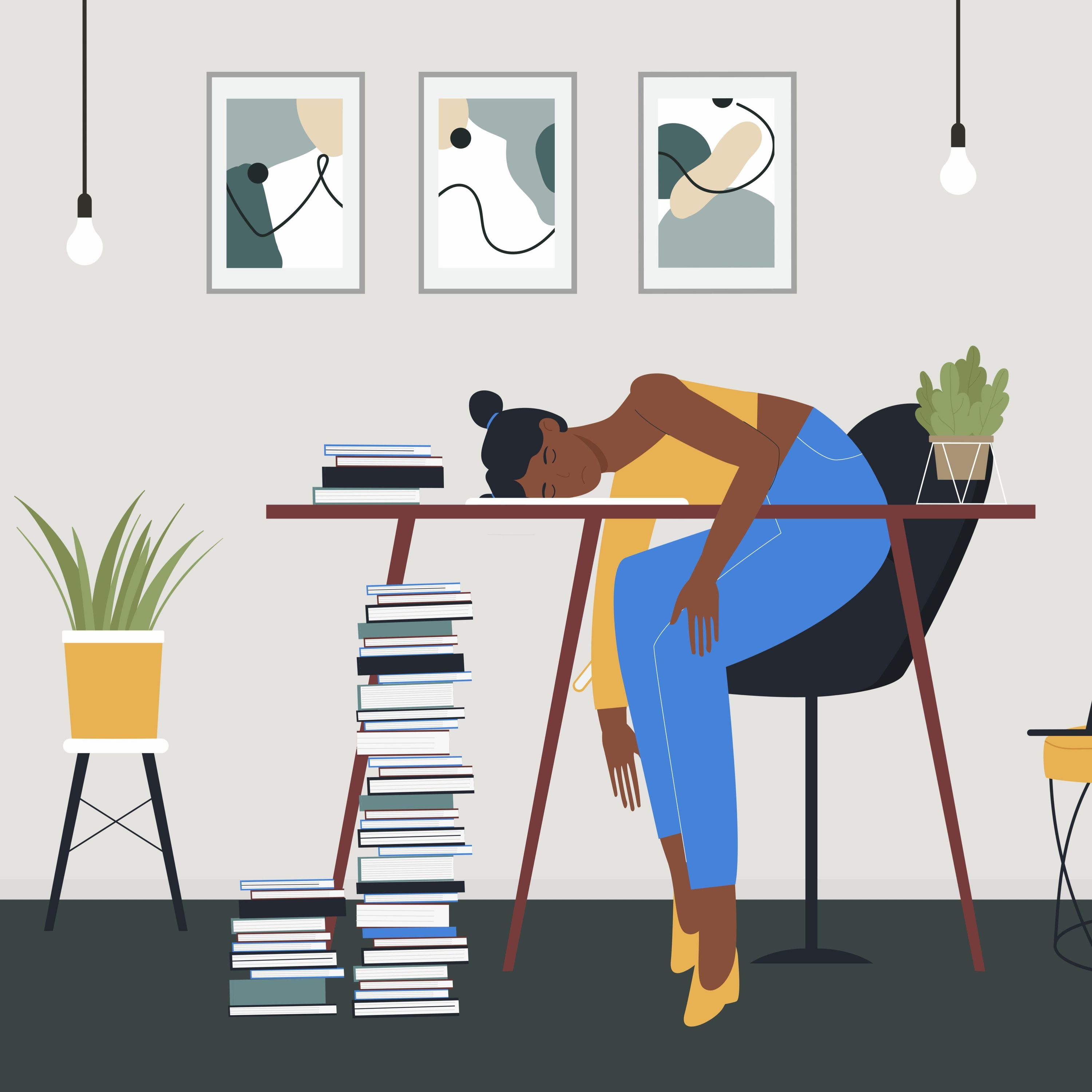
The pressure to achieve a perfect outcome can be paralyzing. Steve Kamb overcame this while writing his book by consciously letting go of the result. This "pre-acceptance" of any outcome—good or bad—shifts focus from uncontrollable results to the controllable process, unlocking action.
Big goals are inspiring at first but quickly become overwhelming, leading to inaction. The secret is to ignore the large goal and focus exclusively on executing small, daily or weekly "micro-actions." This builds momentum, which is a more reliable and sustainable driver of progress than fleeting motivation.
During times of high uncertainty, crafting a grand future vision can feel paralyzing. The more effective approach is to focus on accumulating small, daily wins and moments of possibility. This "stacking" process builds momentum and organically creates a compelling future.
The pressure to produce numerous "meaningful" pieces of content leads to burnout and inaction. The solution is to shift your mindset from "creating" polished works to simply "documenting" your daily process. This lowers the creative barrier and makes consistent, high-volume output sustainable.

Setting extreme daily creative goals leads to discouragement and abandonment. By lowering immediate expectations ("make art when you can, relax when you can't"), you remove the pressure, make the activity enjoyable, and encourage the consistency that leads to far greater output over time.
Instead of striving for perfection, the key to overcoming creative blocks is to allow yourself to create subpar work. Acknowledging that 80-90% of an initial draft will be discarded lowers the stakes and makes it easier to begin the creative process.
