Get your free personalized podcast brief
We scan new podcasts and send you the top 5 insights daily.
The demand for overly specialized, narrow technical roles is waning. Companies now favor a convergence of skills, seeking designers who can code and engineers with strong product sense. This shift makes very deep but narrow specialists less adaptable and thus less in-demand compared to those with broader, blended skill sets.

Related Insights
In the age of AI, distinct roles like designer, PM, and engineer are converging. Long-term career success hinges on the ability to fluidly move between these disciplines and focus on shipping good software, rather than being confined by a rigid job title. Obsession with titles is a liability.
For years, tech roles became hyper-specialized (e.g., front-end vs. back-end developer). AI compresses these functions, enabling one person to manage multiple parts of the process. This shift favors the "generalist" who can architect and engineer outcomes using AI tools, similar to early in-house IT roles.

Industry leaders from LinkedIn and Salesforce predict that AI will automate narrow, specialized tasks, fundamentally reshaping careers. The future workforce will favor 'professional generalists' who can move fluidly between projects and roles, replacing rigid departmental structures with dynamic 'work charts.'
The era of hyper-specialization, where individuals had narrow roles, is ending. AI empowers generalists who can handle tasks across disciplines. Future job titles will become broader, with a single 'Product' role covering product management, design, and engineering.

As AI agents automate code-writing, companies like WorkOS are hiring "product engineers" who possess taste, product sense, and strong communication. The stereotype of the purely technical, anti-social developer is becoming unemployable in modern tech companies.

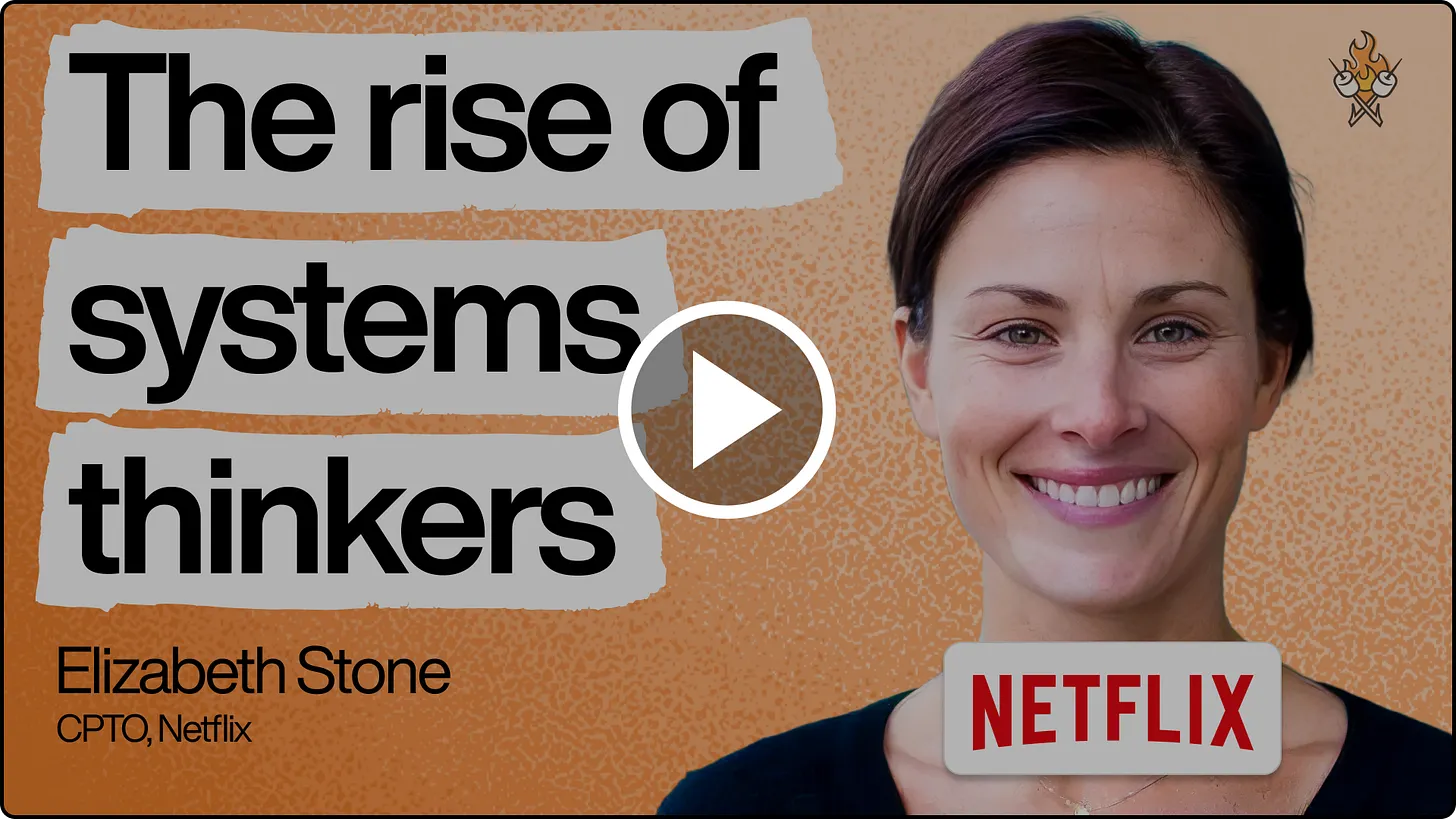
Netflix's CPTO observes that the value of narrow, deep specialization is declining. While still crucial for certain niche technologies, the preference is shifting toward adaptable generalists who can work across functions and stacks. The modern mindset is "I can learn that quickly" rather than sticking to one expertise.
The traditional tech team structure of separate product, engineering, and design roles is becoming obsolete. AI startups favor small teams of 'polymaths'—T-shaped builders who can contribute across disciplines. This shift values broad, hands-on capability over deep specialization for most early-stage roles.
For years, design fragmented into specialist roles like UX and UI. AI is now consolidating these roles by giving designers more power over front-end code. This trend marks a return to the 'generalist' territory, making versatile design engineers highly valuable.

Designers are increasingly building internal tools, giving rise to new hybrid roles like 'Brand Engineer' at companies like Vercel. This reflects a broader industry trend where roles are compressing towards being a 'builder,' someone who combines domain expertise with the technical skills to create solutions, rather than just mockups.

Top engineers are no longer just coding specialists. They are hybrids who cross disciplines—combining product sense, infrastructure knowledge, design skills, and user empathy. AI handles the specialized coding, elevating the value of broad, system-level thinking.