Get your free personalized podcast brief
We scan new podcasts and send you the top 5 insights daily.
The editor consciously avoids the word "content," which he feels implies a disposable commodity. Instead, he uses "stories" and "storytelling" to reinforce the brand's commitment to creating deep, engaging, human-made work that is meant to be savored, not just consumed quickly and forgotten.

Related Insights
Many companies mistakenly believe their brand story is about their founding or product features. The most compelling narrative, however, is about the audience you serve, the problems you solve for them, and how their life is improved as a result of your work.
In an era of content overload and short attention spans, effective brands are moving beyond digital storytelling. They create memorable, real-world experiences that can't be scrolled past, tapping into instinctive, emotional decision-making and building loyalty through shared moments.

Shift from the passive concept of "storytelling" to the active embodiment of "story living." This means the brand doesn't just narrate its story; it lives its ethos through every action, product, and employee interaction. This ensures authenticity and transforms the brand itself into a real-time beacon of its values, moving beyond words to demonstrable action.
![What is Marketing? With Kory Marchisotto [Uncensored Renegades] thumbnail](https://img.transistorcdn.com/VIH3Rn5ET8-eHQxgBGNydnhXL95pc10_Kq7qTpjezuc/rs:fill:0:0:1/w:1400/h:1400/q:60/mb:500000/aHR0cHM6Ly9pbWct/dXBsb2FkLXByb2R1/Y3Rpb24udHJhbnNp/c3Rvci5mbS9zaG93/LzQ3MzEvMTU3MDAz/MjQ3NC1hcnR3b3Jr/LmpwZw.jpg)
Effective creative output, especially in digital products, blends system design (interface, usability) with storytelling (embedded narrative). Organizations must foster structural equality and mutual respect between these two types of thinkers—systematic and narrative—to achieve greatness.

Instead of ads, create physical objects or experiences that embody a brand's story. These "narrative objects," like The Ordinary's "Periodic Fable," generate more lasting impact and conversation because the object becomes the story, not just a vehicle for it.

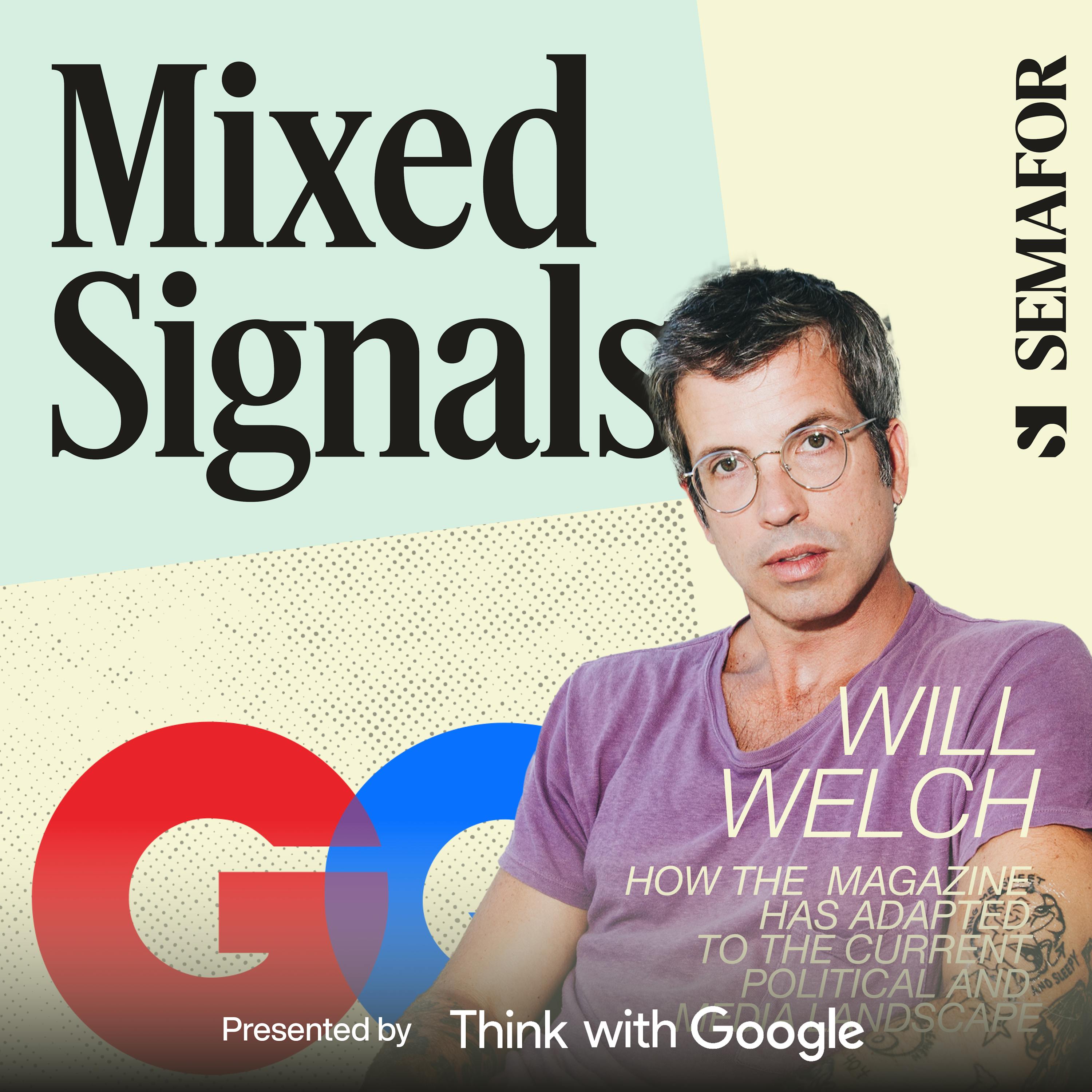
GQ's editor-in-chief argues that content engineered by triangulating audience data often fails to connect. Instead, stories originating from a single team member's genuine passion and excitement are what truly resonate with audiences, proving that in the current media landscape, authentic quality and a strong personal voice are paramount.
Framing content creation through a "legacy lens"—asking if a piece of work would matter if it were your last—fundamentally shifts the focus. It moves beyond tactical strategy ('what works') to core beliefs ('what's worth saying'), resulting in more meaningful and impactful communication.

Many brands mistake chronicling the customer journey for storytelling. True storytelling requires a moment of transformation, transcendence, or an 'aha' moment for the customer. It's about creating a feeling of being seen and understood, which builds a deeper emotional connection than simply listing events.

While many brands use AI for copy and images, Lore's CEO deliberately avoids it for most creative work to support human craft. She reserves generative AI for specific tasks that defy physics or are imprudent in the real world, using it as a specialized tool rather than a replacement for human talent.
CEO Roger Lynch states Condé Nast will always use human creators. The company has no competitive advantage in mass-produced AI content and leaning into it would erode the trust its audience expects. Instead, they focus on high-quality human journalism to stand out from the “slop.”