Get your free personalized podcast brief
We scan new podcasts and send you the top 5 insights daily.
The leading royalist faction's failure to build an inclusive coalition with ethnic minorities, particularly the politically organized and armed Kurds, is a critical weakness. Their push for a centralized, Persian-dominated state alienates these groups, creating incentives for separatism and potentially a civil war.

Related Insights
The intense violence from Iran's regime has eliminated political middle ground. The conflict is increasingly framed as a binary choice between the current Islamic Republic and a restored monarchy, marginalizing moderate voices who advocate for a democratic republic.
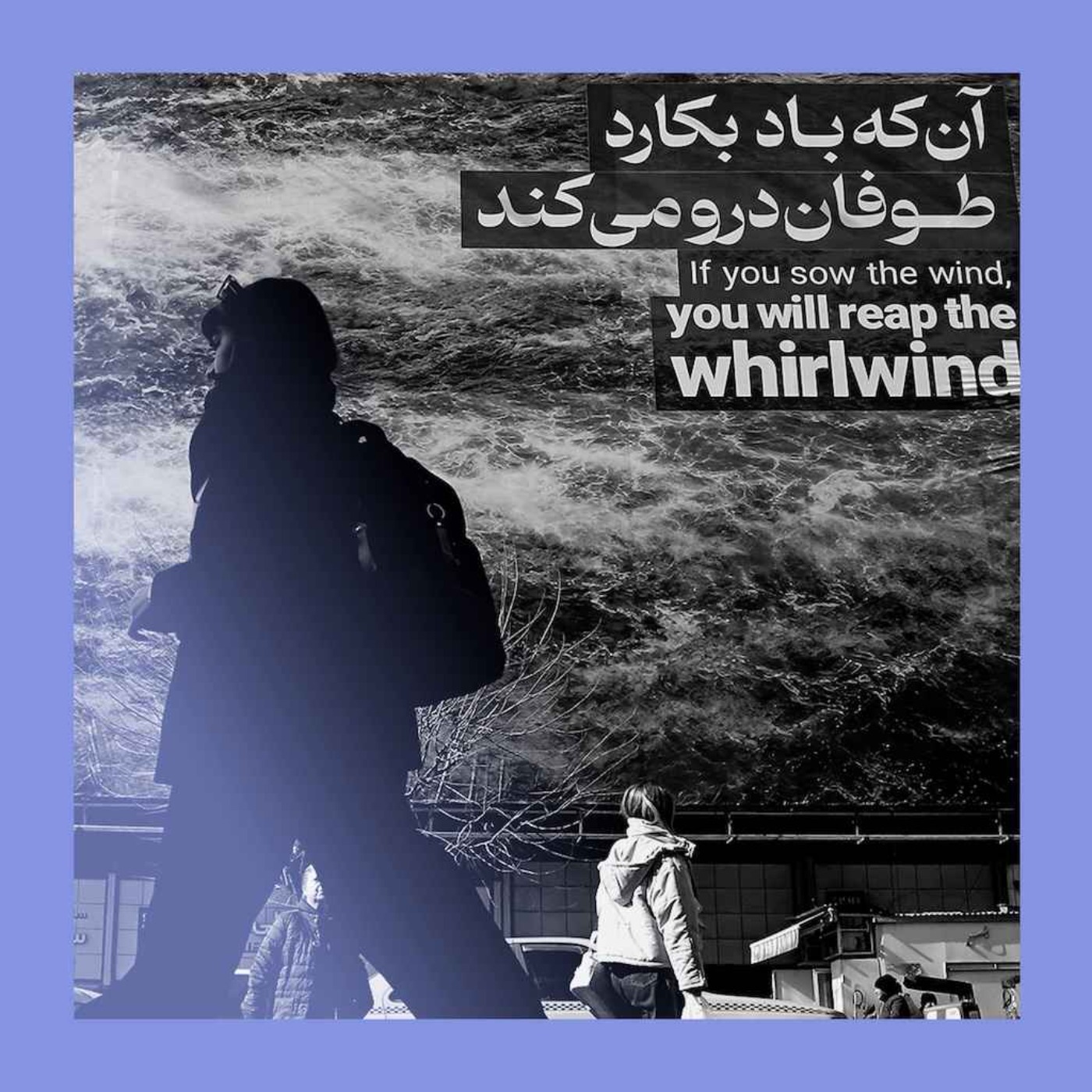
Fears of ethnic fragmentation are a regime talking point, not a likely reality. Unlike 20th-century states, Iran has a 2,500-year history that forged a strong national identity. Even repressed ethnic minorities like Kurds and Azeris largely see themselves within the fabric of a unified Iran.

Unusually, Reza Pahlavi's supporters are already turning on their coalition partners. They've launched online hate campaigns to crush alternative power centers within the opposition movement, a tactic typically reserved for consolidating power *after* a successful revolution, not during the struggle.
The primary force preventing a collapse of the Iranian regime isn't its own strength, but fear among its neighbors. Countries like Turkey and Pakistan worry a collapse would lead to a massive refugee crisis and empower separatist movements on their borders, creating a strong regional bias for stability.

An unintended consequence of the conflict could be the ethnic fragmentation of Iran. With only 60% of the population being Persian, the external pressure and internal chaos could cause the country to disintegrate into ethnic conflict and civil war, creating a far greater humanitarian and geopolitical crisis.
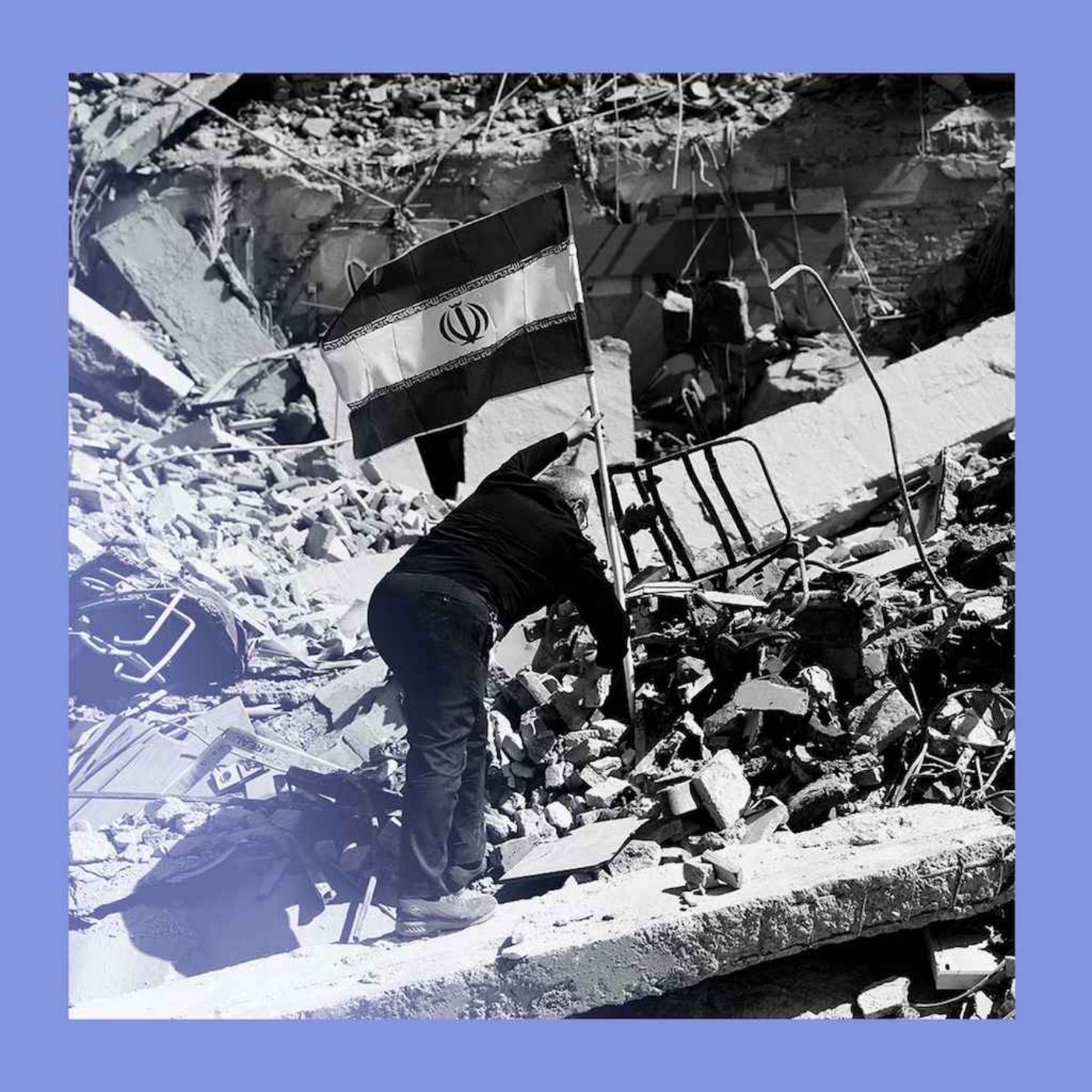
With its credibility destroyed by bloodshed, the Iranian regime's only remaining leverage over some citizens is the fear of a chaotic power vacuum. The prospect of a full-blown civil war may convince some to tolerate the current oppression over the alternative of total state collapse.
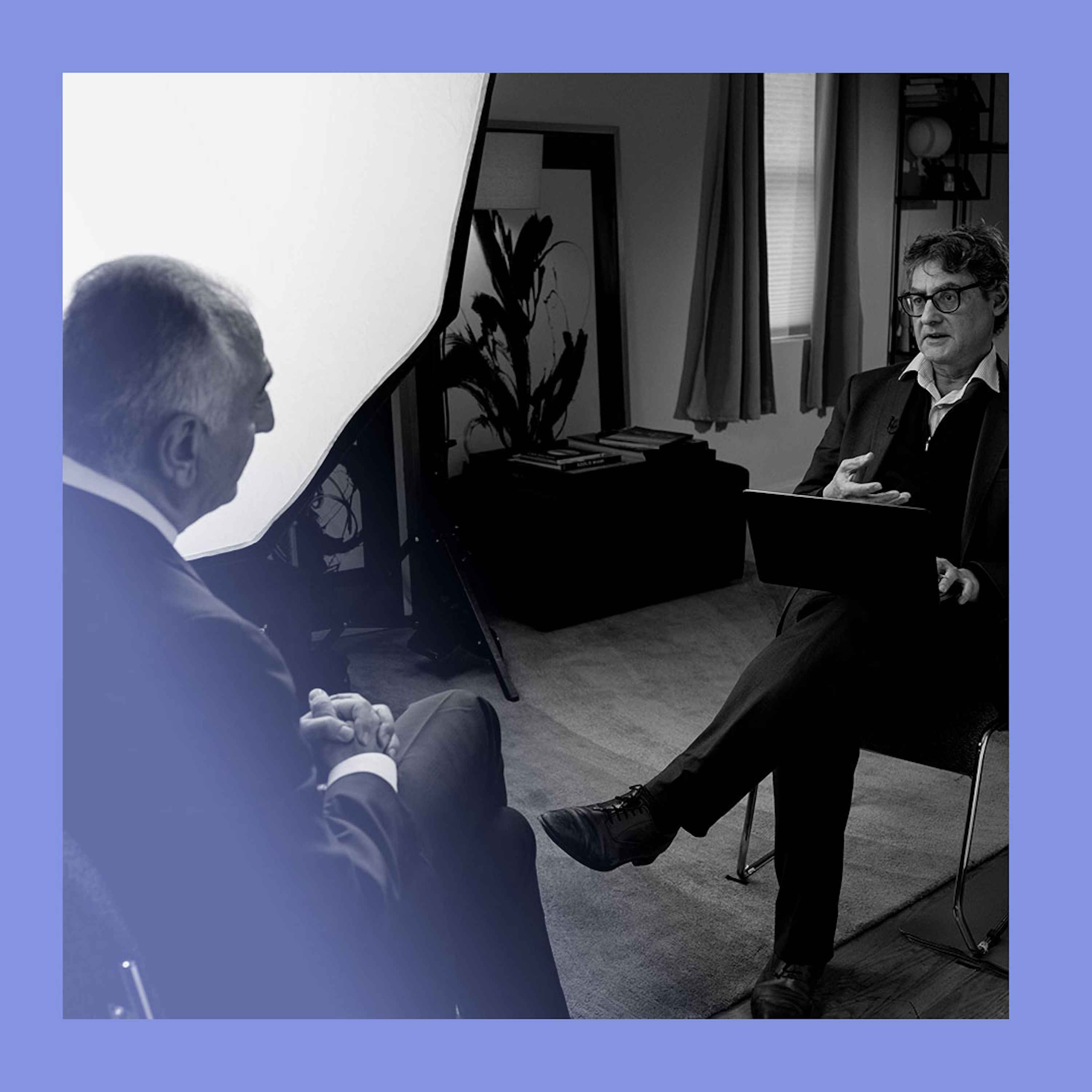
Even if Iran's theocracy falls, a Western-style liberal democracy is unlikely. The leading opposition factions, particularly the royalists, are themselves illiberal and exhibit authoritarian tendencies. The most optimistic outcome may be a state resembling Hungary or a MAGA-led America, not a truly free society.
In times of extreme polarization, the political middle is not a safe haven but a kill zone. Moderates are targeted by both sides because they have no tribe to defend them. The escalating cost of neutrality forces everyone to pick a side, eliminating compromise and accelerating conflict.

The current Iranian protests are uniquely potent because the regime is at its weakest geopolitically. The loss of regional proxies like Hezbollah and Hamas, coupled with key ally Russia's preoccupation with Ukraine, has left the Iranian government more isolated and vulnerable than during any previous wave of unrest.

A CIA task force analyzed 38 variables to predict political instability, including common assumptions like poverty and inequality. They found only two were highly predictive: 1) a country being a partial democracy, or “anocracy,” and 2) its political parties organizing around identity (race, religion) rather than ideology.
